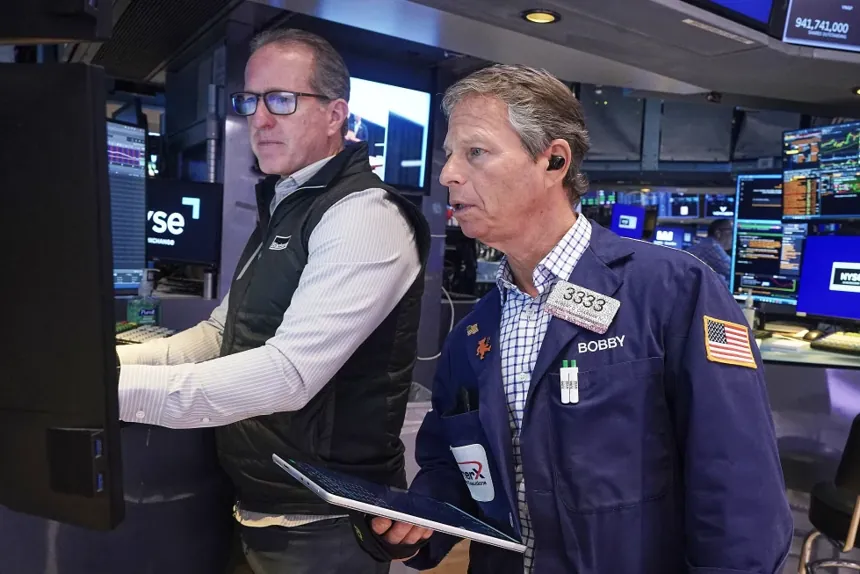
U.S. stocks climbed to fresh record highs Tuesday as a sharp rally in semiconductor shares, led by Micron Technology, reinforced investor confidence in artificial intelligence-driven growth despite continued geopolitical tensions involving Iran.
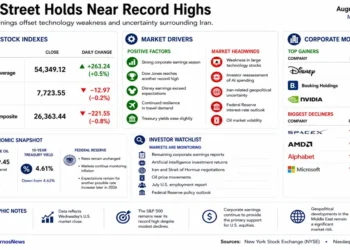
Market data showed the S&P 500 rose 0.6% to a record close, while the Nasdaq Composite advanced 1.2% to another all-time high. The Dow Jones Industrial Average slipped modestly after trading resumed following Monday’s U.S. market holiday. Associated Press reporting showed Micron Technology surged 19.3%, helping lift broader technology indexes and pushing the company above a $1 trillion market valuation for the first time.
The rally came after UBS analysts led by Timothy Arcuri sharply increased their price target for Micron, citing strong long-term demand for memory chips tied to artificial intelligence infrastructure and data-center expansion. Reuters reported that Micron’s valuation milestone reflected growing investor focus on memory-chip suppliers as AI spending accelerates globally.

AI Spending Continues Driving Semiconductor Gains
Micron’s gains extended a broader rally across semiconductor stocks as investors increasingly shifted attention toward companies supplying memory and storage technology required for AI systems.
Reuters reported that the Philadelphia Semiconductor Index reached another record high, supported by gains in Qualcomm, Marvell Technology and other chipmakers linked to AI infrastructure demand. UBS analysts projected continued supply tightness for memory products, helping strengthen pricing conditions across the sector.
The surge also reinforced Wall Street’s growing concentration around AI-related companies. Micron joined a group of technology firms including Nvidia, Apple and Microsoft that have exceeded the $1 trillion valuation threshold amid heavy investor interest in AI-linked growth.
Market reports indicated Micron shares have more than tripled this year as demand for high-bandwidth memory chips used in AI systems continues rising. Reuters reported the company’s supply of certain advanced memory products for 2026 has already been fully allocated.
Oil Markets and Iran Tensions Remain Key Risks
Despite the market optimism, geopolitical uncertainty remained a major focus for investors.
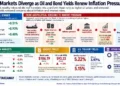


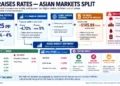
Oil markets have experienced sharp swings since conflict involving Iran disrupted shipping through the Strait of Hormuz earlier this year. Associated Press reporting showed Brent crude rose 3.5% Tuesday to $96.67 per barrel, while U.S. crude settled lower at $93.89 after volatile trading.
Investor sentiment improved after comments from U.S. President Donald Trump suggesting negotiations with Iran were “proceeding nicely,” according to AP reporting. However, military activity in the region continued, including reported U.S. strikes on missile launch sites and mining operations in southern Iran.
Lower oil prices earlier in the week also helped ease pressure in bond markets. The yield on the 10-year U.S. Treasury note declined to 4.49% from 4.56% late Friday, reducing concerns that higher borrowing costs could slow economic growth and corporate investment.
Consumer Confidence and Inflation Concerns Persist
Although equity markets continued climbing, economic sentiment among U.S. households remained weaker.
Associated Press reporting cited government data showing consumer confidence edged lower in May, following earlier reports indicating consumer sentiment had reached historically weak levels amid persistent inflation concerns.
Most large U.S. companies, however, have continued reporting quarterly profits and revenue above analyst expectations, helping sustain investor appetite for equities even as markets monitor inflation, energy costs and geopolitical developments closely.
Details regarding any broader resolution to the Iran conflict remain unclear.