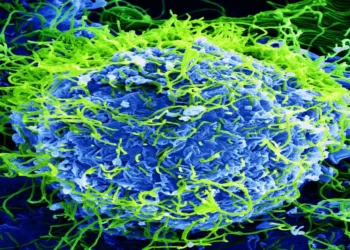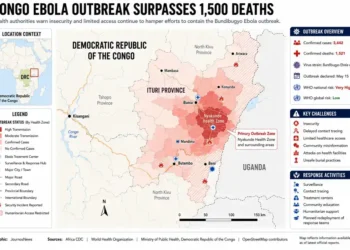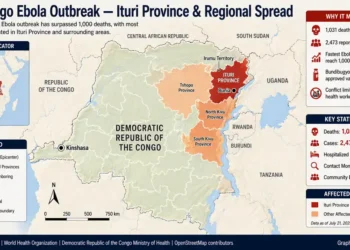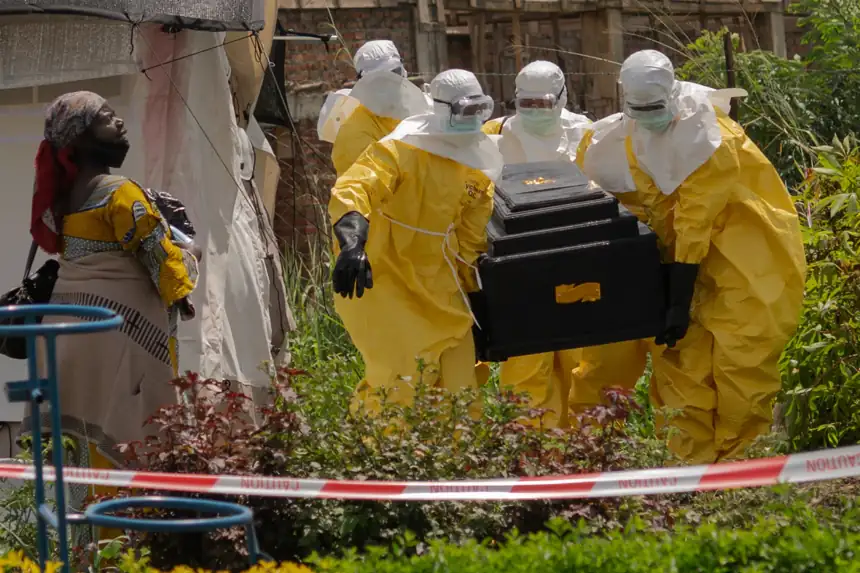
Health officials in the Democratic Republic of Congo are raising alarm over the rapid spread of a rare strain of Ebola virus in the country’s conflict-affected eastern regions, as the World Health Organization warns that the outbreak may be significantly larger than current figures suggest.
According to international reports, the outbreak involves the Bundibugyo strain of Ebola, a rare variant that has no approved vaccine or targeted treatment currently available. The virus has spread across parts of Ituri and North Kivu provinces, with dozens of confirmed infections and hundreds of suspected cases under investigation.
The WHO has classified the outbreak as a public health emergency of international concern, citing worries over the speed of transmission, weak healthcare infrastructure, and ongoing armed conflict in the affected regions. WHO Director-General Tedros Adhanom Ghebreyesus said authorities are deeply concerned about the outbreak’s “scale and speed,” particularly as infections spread into urban areas and among healthcare workers.

Conflict Zones Complicate Containment Efforts
The outbreak is unfolding in one of the most unstable regions of eastern Congo, where armed violence and displacement have repeatedly disrupted medical operations and humanitarian access.
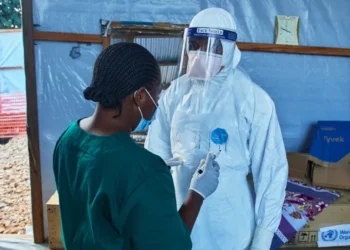
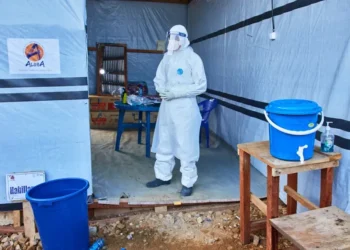
According to Associated Press and Reuters reporting, health workers in towns such as Bunia and Mongbwalu are struggling with severe shortages of protective equipment, testing kits, medicine, and transportation resources needed for contact tracing. Some hospitals have reportedly been forced to isolate suspected Ebola patients in overcrowded wards alongside noninfected individuals because of limited space.
Aid organizations operating in the region said years of underfunding and weakened healthcare systems have made rapid containment more difficult. Medical teams also face heightened risks from attacks by armed groups operating in North Kivu and Ituri.
Analysts noted that conflict conditions can severely hinder traditional Ebola control measures such as community tracing, isolation, and safe burial procedures, all of which are essential to limiting transmission.
Rare Bundibugyo Strain Raises Global Concern
Unlike the more common Zaire strain of Ebola, the Bundibugyo virus has only caused a small number of outbreaks since it was first identified in Uganda in 2007. Scientists say the current outbreak is especially concerning because no licensed vaccine or proven treatment currently exists for this specific variant.
■ Related News



Health officials initially struggled to identify the outbreak because early testing focused on the more widespread Ebola strains, delaying diagnosis and response efforts. WHO officials said improved testing and surveillance are now being deployed, though shortages remain a major challenge.
The outbreak has already affected healthcare workers and foreign aid personnel. International reports confirmed that an American doctor infected while working in Congo was transferred to Germany for treatment after exposure during surgery on an Ebola patient.
Regional Health Risks Under Close Monitoring
While WHO officials said the overall risk of global spread remains low, they warned that the threat at national and regional levels remains high, especially given movement across borders between Congo and neighboring Uganda. Uganda has already reported confirmed Ebola cases linked to the broader regional outbreak.
Experts say the situation highlights persistent vulnerabilities in global outbreak preparedness, particularly in fragile states facing conflict and humanitarian crises. International agencies including WHO, UNICEF, and medical relief organizations have expanded emergency operations, but officials warn the response may require months of sustained support.
Despite the growing fears, public health specialists stressed that previous Ebola outbreaks in Congo were ultimately contained through aggressive tracing, isolation, and community education campaigns. However, they cautioned that the current combination of conflict, delayed detection, and lack of vaccines makes this outbreak especially difficult to control.