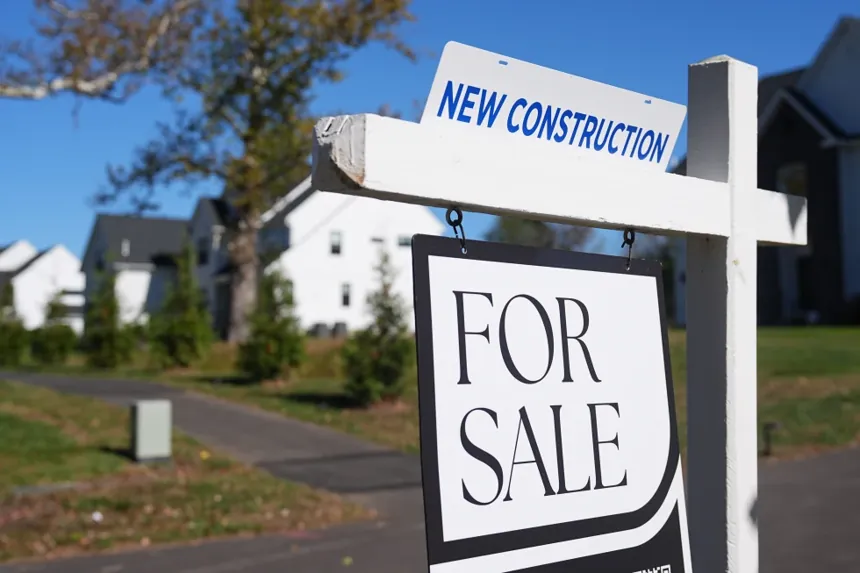
Single women in Generation Z are purchasing homes at higher rates than their male counterparts, emerging as a notable force in the U.S. housing market even as affordability challenges continue to weigh on first-time buyers overall.
Industry data and housing market analysts indicate that younger women have increasingly prioritized homeownership as a pathway to financial stability, despite elevated mortgage rates, rising home prices, and limited housing inventory. The trend highlights shifting demographic and economic patterns within the broader U.S. residential property market.
According to housing market figures cited by industry groups and research firms, single women now account for a larger share of younger first-time homebuyers than single men. Analysts say the shift reflects a combination of changing workforce participation, delayed marriage trends, and evolving financial priorities among younger consumers.

The broader housing market, however, remains constrained by affordability concerns. Mortgage borrowing costs in the United States have remained significantly above pandemic-era lows, while median home prices continue to exceed income growth in many metropolitan areas. Economists note that these conditions have reduced overall first-time buyer participation compared with historical norms.
Affordability pressures reshape entry into homeownership
Housing economists said many Gen Z buyers are adapting their purchasing strategies in response to tighter financial conditions. Some are purchasing smaller homes, relocating to lower-cost regions, or relying on family support for down payments.
Data from housing industry reports suggest single women have shown greater willingness to compromise on home size or location in order to enter the market earlier. Analysts noted that younger female buyers may also place higher emphasis on long-term housing security and wealth accumulation through property ownership.
At the same time, elevated student debt burdens and higher living costs continue to pose challenges for many younger Americans seeking to purchase homes. Rising insurance, property tax, and maintenance expenses have further complicated affordability calculations for entry-level buyers.
Demographic shifts influence housing demand
The increase in home purchases among single Gen Z women comes as broader social trends continue to reshape housing demand in the United States. Census and labor market data show women have increased their participation in higher-paying professional sectors over the past decade, contributing to stronger independent purchasing power.
■ Related News




Real estate analysts also point to delayed marriage and changing household formation patterns as factors supporting single-buyer demand. Younger consumers are increasingly entering the housing market independently rather than waiting for marriage or dual-income households.
Despite these shifts, the overall first-time buyer share of the housing market remains historically low. Industry groups have reported that affordability constraints and limited inventory have disproportionately affected younger buyers compared with older homeowners who benefited from lower mortgage rates in previous years.
Market outlook remains uncertain
Housing market participants expect affordability to remain a central issue through 2026, particularly if borrowing costs stay elevated. While some economists anticipate gradual easing in mortgage rates, supply shortages in many urban and suburban markets continue to support higher home prices.
Analysts said demographic demand from younger buyers, including single women, could help sustain entry-level housing activity even amid broader market pressures. However, wage growth and financing conditions are expected to remain critical factors determining whether more Gen Z consumers can transition into homeownership in coming years.