BOGOTÁ, Colombia — European Union election observers have dismissed allegations of fraud raised after Colombia’s presidential election, stating that the vote was conducted in a transparent and orderly manner as the country prepares for a closely watched runoff later this month. The findings add an international dimension to a dispute that has intensified political tensions following the first round of voting.
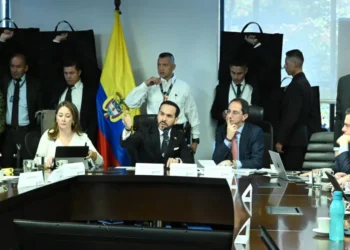
The European Union’s Electoral Observation Mission said its monitors found no evidence supporting claims that irregularities affected the outcome of Sunday’s election. Mission chief Esteban González Pons stated that none of the 12 presidential candidates formally reported fraud concerns to EU observers and described the vote-counting process as “transparent, orderly and fluid.”
Official results showed lawyer Abelardo de la Espriella finishing first with 43.7% of the vote, while Senator Iván Cepeda, the candidate backed by President Gustavo Petro’s governing coalition, received 40.9%. Neither candidate secured an outright majority, triggering a runoff election scheduled for June 21.

Fraud Claims Draw International Scrutiny
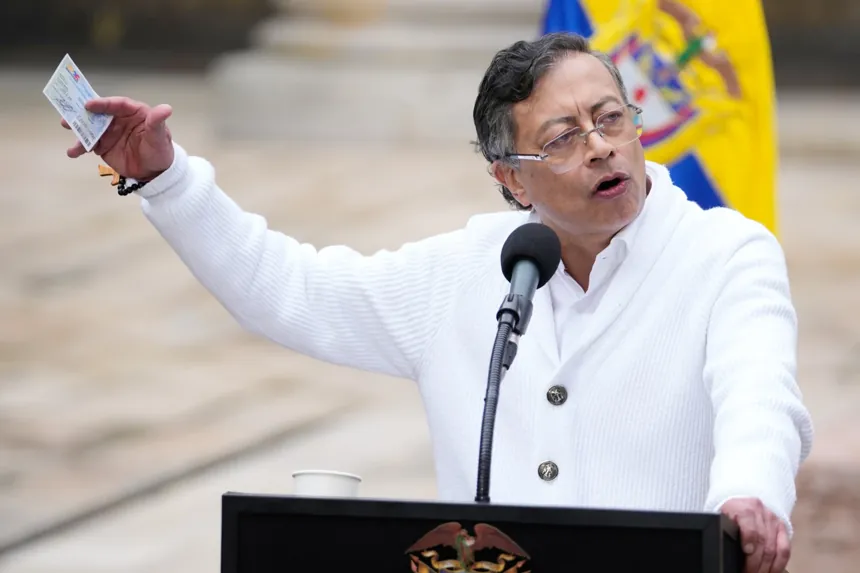
Shortly after preliminary results were announced, President Petro questioned aspects of the electoral process, alleging on social media that hundreds of thousands of voters had been improperly added to electoral rolls. The president did not publicly provide evidence supporting the accusation.
Cepeda initially declined to recognize the preliminary count, saying he preferred to wait for the official review process conducted by judges and notaries. However, the candidate later stated that election monitors deployed by his own campaign had not identified irregularities significant enough to justify allegations of fraud.
EU observers said they independently reviewed election documentation and found no indication that vote totals had been manipulated. Colombia’s electoral system requires final certification of results through a verification process overseen by judicial authorities rather than the presidency.
Runoff Campaign Begins Under Heightened Political Pressure
The dispute over election integrity comes as Colombia enters a high-stakes runoff campaign that will determine the successor to Petro’s administration. The election has become a referendum on the direction of the country’s economic policies, security strategy and peace initiatives with armed groups.
International observers and election-monitoring organizations have emphasized the importance of maintaining public confidence in the electoral process. Reports from monitoring missions, including the EU delegation, described voting day as generally peaceful and transparent.
■ Related News




Concerns Over Political Polarization
The disagreement over the vote count has raised concerns about growing political polarization in Colombia. International observers warned that unsubstantiated claims regarding election fraud could increase tensions ahead of the second round and potentially undermine trust in democratic institutions.
Despite the controversy, election authorities have continued the official counting and certification process. Authorities have not publicly confirmed any evidence of widespread irregularities affecting the outcome of the first round.
As campaigning resumes before the June 21 runoff, attention is shifting toward whether either candidate can expand support beyond their existing political bases while preserving confidence in one of Latin America’s most closely watched elections.