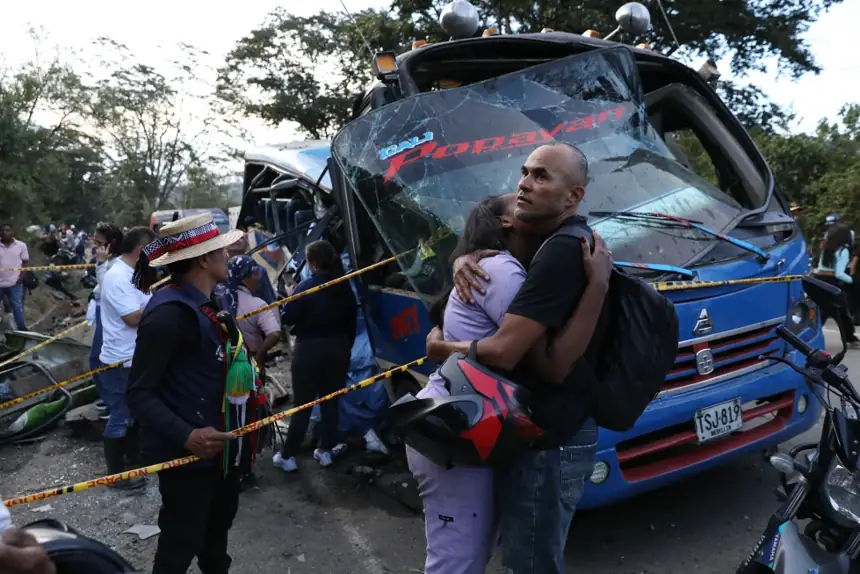
BOGOTÁ, Colombia — Colombia’s armed conflict inflicted its most severe humanitarian toll on civilians in more than a decade during 2025, according to a new report from the International Committee of the Red Cross, highlighting the worsening impact of violence on communities across several regions of the country.
The humanitarian organization said intensified clashes between armed groups, criminal networks, and state security forces sharply increased displacement, civilian confinement, disappearances, and deaths linked to explosive devices. Officials warned that the deterioration reflects a broader breakdown in respect for international humanitarian law and threatens regional stability in parts of northern and southwestern Colombia.
The report identified a dramatic rise in civilian suffering, with more than 235,000 people displaced individually during 2025, while mass displacement incidents and forced confinement in isolated communities also surged. According to the Red Cross, armed groups increasingly imposed mobility restrictions and curfews on rural populations, limiting access to food, healthcare, and education.

Regional Violence Intensifies
The worsening conflict has been concentrated in strategic regions tied to drug trafficking routes, illegal mining, and territorial disputes among rival armed factions. Areas including Cauca, Norte de Santander, and Chocó recorded some of the highest levels of violence and displacement, according to humanitarian officials.
The Red Cross documented 965 people killed or injured by explosive devices during the year, most of them civilians. The organization also reported a sharp increase in disappearances and allegations of violations of humanitarian law, including child recruitment, threats, and sexual violence.
Analysts said the escalation reflects the fragmentation of armed groups following Colombia’s 2016 peace accord with the Revolutionary Armed Forces of Colombia (FARC), which initially reduced violence in many rural areas. However, dissident factions and newer criminal organizations have since expanded their influence in contested territories.
Pressure Grows on Peace Strategy
The deteriorating security environment has increased scrutiny of President Gustavo Petro’s “total peace” strategy, which seeks negotiated settlements with multiple armed groups through ceasefires and dialogue initiatives.
Critics argue that some armed organizations have used temporary truces to strengthen territorial control rather than reduce violence. Government officials have defended the negotiations as necessary to avoid further escalation, though attacks in several regions have continued despite peace efforts.
■ Related News


International observers and humanitarian organizations have repeatedly called on all parties to comply with international humanitarian law and improve civilian protections. The Red Cross warned that ongoing hostilities in populated areas are increasing long-term risks for vulnerable communities and undermining local governance.
International Concern Over Humanitarian Fallout
The humanitarian crisis in Colombia is drawing growing international attention as violence contributes to migration pressures, cross-border instability, and worsening humanitarian conditions in Latin America.
According to the Red Cross, communities affected by armed conflict are increasingly exposed to explosive weapons, forced displacement, and restricted access to essential services. Aid groups also warned that shrinking humanitarian funding could limit relief operations at a time when civilian needs are rapidly expanding.
Security analysts noted that persistent instability in Colombia’s border regions could further complicate regional anti-trafficking efforts and strain neighboring countries already managing migration and security challenges.