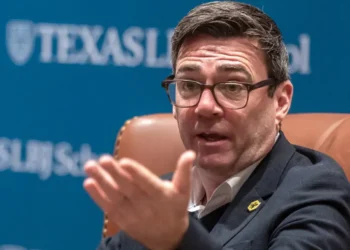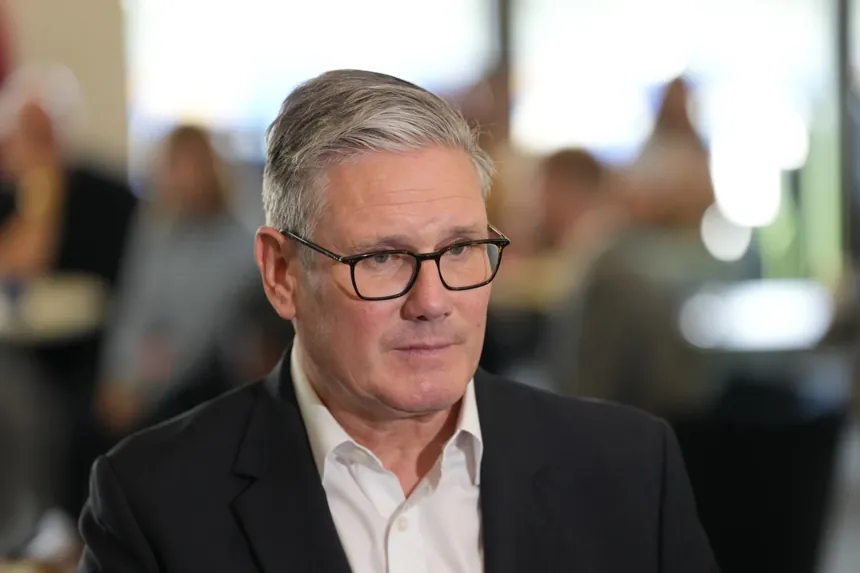
LONDON, United Kingdom — British Prime Minister Keir Starmer has rejected growing calls to resign despite mounting pressure from within the Labour Party following heavy local election losses and a wave of ministerial resignations that exposed widening divisions inside the government.
Starmer told Cabinet ministers he intended to remain in office as several junior ministers stepped down and more Labour lawmakers publicly questioned his leadership ahead of a crucial parliamentary session. The political turmoil has intensified scrutiny over Labour’s direction less than two years after the party returned to power.
The crisis escalated after a series of disappointing election results that analysts said revealed weakening public confidence in Labour’s leadership and reform agenda. According to multiple British media reports, around 80 Labour lawmakers have either called for Starmer to resign or urged him to announce a timeline for departure, though party rules have so far prevented a formal leadership challenge.

Ministerial Resignations Intensify Pressure
Among the highest-profile resignations was Miatta Fahnbulleh, who urged Starmer to consider an “orderly transition” in leadership, arguing that the government had lost public trust. Other junior ministers and parliamentary aides also resigned in recent days, increasing speculation that Starmer could face a broader revolt similar to the one that forced former Prime Minister Boris Johnson from office in 2022.
While no senior Cabinet minister has openly demanded Starmer’s resignation, attention has focused on Health Secretary Wes Streeting, who is viewed by some Labour lawmakers as a potential successor. Reports indicated Streeting was expected to meet Starmer amid rising speculation over the government’s future leadership.
Senior ministers including Foreign Secretary David Lammy and Chancellor Rachel Reeves have publicly backed Starmer, warning that internal divisions could damage the government’s credibility during a period of economic and geopolitical uncertainty.
Election Fallout Raises Questions Over Labour Strategy
The political backlash follows Labour’s poor performance in recent local elections across England and Scotland, results that analysts said exposed voter dissatisfaction over economic conditions, public services, and leadership controversies.
Political observers noted that Starmer’s administration has faced repeated internal crises over ministerial resignations, policy disputes, and criticism surrounding key appointments, including controversy linked to former ambassadorial appointments and Downing Street staffing decisions.
■ Related News



Despite the pressure, Starmer insisted the government would continue with its legislative agenda ahead of the King’s Speech, which formally opens the new parliamentary session. Government allies argued that leadership instability could undermine Labour’s ability to implement reforms and maintain market confidence.
Political Uncertainty Draws International Attention
The growing instability inside the British government is being closely watched internationally given the United Kingdom’s role in European security, NATO coordination, and global economic policy.
Analysts warned that prolonged political turbulence could weaken Britain’s influence abroad at a time of heightened geopolitical tensions and ongoing economic pressures across Europe. Rising government borrowing costs and uncertainty surrounding future leadership have also increased concerns in financial markets.