TORONTO — Canada has reached an agreement to export liquefied natural gas to Germany from a proposed export facility on the Pacific coast, marking a significant step in Ottawa’s broader strategy to diversify trade beyond the United States.
The agreement involves Germany’s SEFE group — Securing Energy for Europe — and the planned Ksi Lisims LNG export terminal in British Columbia, according to officials familiar with the arrangement. The deal is expected to allow exports of up to 1 million metric tons of liquefied natural gas annually.
The development comes as Canadian Prime Minister Mark Carney continues efforts to expand Canada’s trade relationships outside the United States. Canada currently sends the vast majority of its oil and gas exports to the U.S. market.

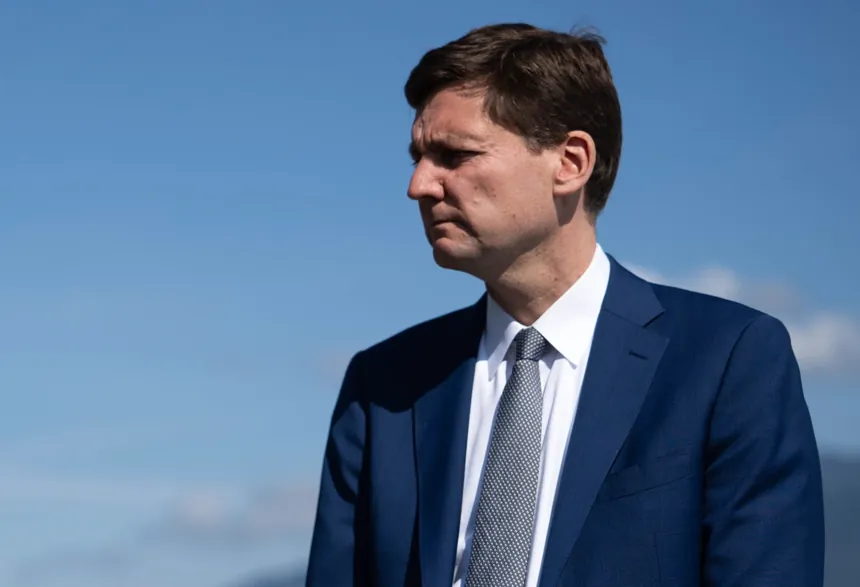
British Columbia Premier David Eby said the agreement represents a major step toward a final investment decision for the proposed Ksi Lisims project, a facility estimated to cost about 10 billion Canadian dollars (US$7.2 billion). The project has already secured key permits but still requires firm supply commitments from buyers before construction can proceed.
Europe Seeks Long-Term Energy Security
Germany has accelerated efforts to secure alternative energy supplies since Russia sharply reduced natural gas exports to Europe following the continent’s support for Ukraine during the war. The disruption triggered a major energy crisis across Europe, pushing up costs for households and industries while increasing inflationary pressures.
SEFE, formerly a subsidiary of Russia’s Gazprom, was nationalized by the German government in 2022 as Berlin moved to stabilize energy supplies during the crisis. The company has since pursued international LNG agreements to diversify sourcing and strengthen long-term energy security.
The Ksi Lisims project, located on Pearse Island near the Alaska border, is being developed through a partnership involving Western LNG, Rockies LNG and the Nisga’a Nation. Reuters reported the facility is expected to have a production capacity of 12 million metric tons annually, potentially making it Canada’s second-largest LNG export operation.
Canada Expands Global Trade Strategy
The LNG agreement also reflects broader geopolitical and economic shifts as middle powers seek to strengthen trade ties beyond traditional partners. Carney has promoted new economic alliances and expanded trade relationships since taking office, positioning Canada as less dependent on the United States amid changing global trade dynamics.




The Canadian government has increasingly emphasized Pacific export infrastructure as a way to access Asian and European energy markets more directly. Previous supply agreements tied to the Ksi Lisims facility have already been signed with subsidiaries of Shell and TotalEnergies, according to officials involved with the project.
Construction timelines for the export terminal remain unclear, and authorities have not publicly confirmed when commercial shipments to Germany would begin.