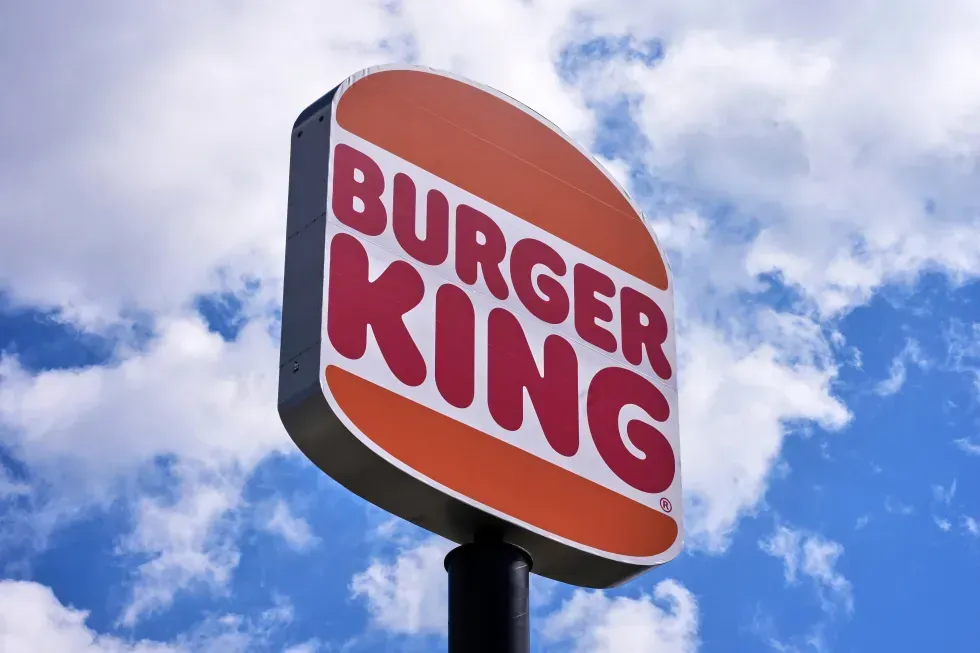
Burger King is testing artificial intelligence headsets in hundreds of U.S. restaurants, part of a broader push by major fast-food chains to digitize kitchen operations and frontline service. The initiative, which includes tracking whether staff greet customers with phrases such as “welcome” or “thank you,” underscores how AI tools are moving beyond back-end analytics into daily restaurant workflows.
The system is being piloted in about 500 U.S. outlets, according to parent company Restaurant Brands International, which owns Burger King along with Popeyes and other brands. Company executives say the technology is designed to assist staff rather than monitor individuals, positioning it as a coaching and operations tool.
At the center of the trial is “Patty,” an AI-powered voice assistant that communicates with workers through headsets. Built using technology from OpenAI, Patty can relay operational alerts and respond to employee questions in real time.

AI Headsets in Fast Food: How the System Works
The headset system gathers operational data and delivers updates directly to managers and staff. If a soda machine is running low on Diet Coke or if a customer reports a maintenance issue through a QR code, the assistant notifies the manager. Workers can also ask Patty for recipe guidance or instruct the system to remove unavailable items from digital menus.
The company said the AI can recognize when employees use specific hospitality phrases, including “welcome,” “please,” and “thank you.” That information is shared with managers as part of broader service insights.
When asked about the feature, Burger King said it is intended as a coaching tool rather than a surveillance mechanism. “It’s not about scoring individuals or enforcing scripts. It’s about reinforcing great hospitality and giving managers helpful, real-time insights so they can recognize their teams more effectively,” the company said in a statement.
Burger King added that the keywords are “one of many signals” used to understand service patterns. The company emphasized that hospitality remains a human function and that the role of the technology is to support staff so they can focus on customers.
The headset program forms part of a wider digital platform known as BK Assistant, which the company plans to roll out to all U.S. restaurants later this year. The broader system integrates app-based management tools designed to streamline operations and standardize processes across franchise locations.
■ Related News




Industry-Wide Push Toward AI Integration
Burger King is not alone in experimenting with AI to improve speed and consistency in restaurant operations. Fast-food companies have increasingly turned to automation and data analytics to manage labor shortages, rising costs, and shifting consumer expectations.
Last year, Yum! Brands announced a partnership with Nvidia to develop AI technologies for chains including KFC, Taco Bell, and Pizza Hut. The initiative focused on using advanced computing systems to optimize drive-thru performance and back-of-house efficiency.
Meanwhile, McDonald’s ended a partnership with IBM in 2024 after testing automated drive-thru ordering systems. The company has since shifted its AI efforts to a collaboration with Google.
The broader trend reflects how artificial intelligence is reshaping routine service roles across industries. In restaurants, the technology is being applied not only to ordering and inventory management but also to customer interaction metrics, a move that has drawn attention from labor advocates concerned about digital monitoring.
For Burger King and its parent company, the current trial appears focused on operational consistency rather than workforce reduction. Executives say the intent is to give managers better visibility into day-to-day service patterns while keeping staff engaged with customers.
Whether customers notice a difference remains to be seen. In a sector where speed and friendliness often determine repeat visits, companies are betting that real-time data can help standardize service without replacing the human element that defines hospitality.
As the AI rollout expands later this year, the fast-food industry will offer an early test case of how artificial intelligence can coexist with frontline service work — and how companies balance efficiency with employee trust.
Source: AP News – Burger King is testing AI headsets that will know if employees say ‘welcome’ or ‘thank you’