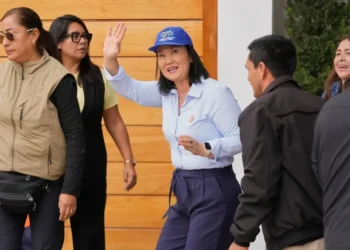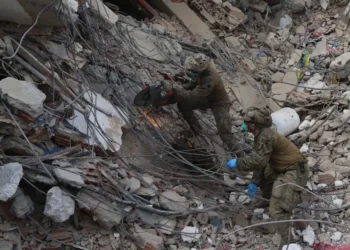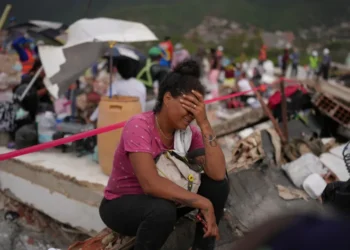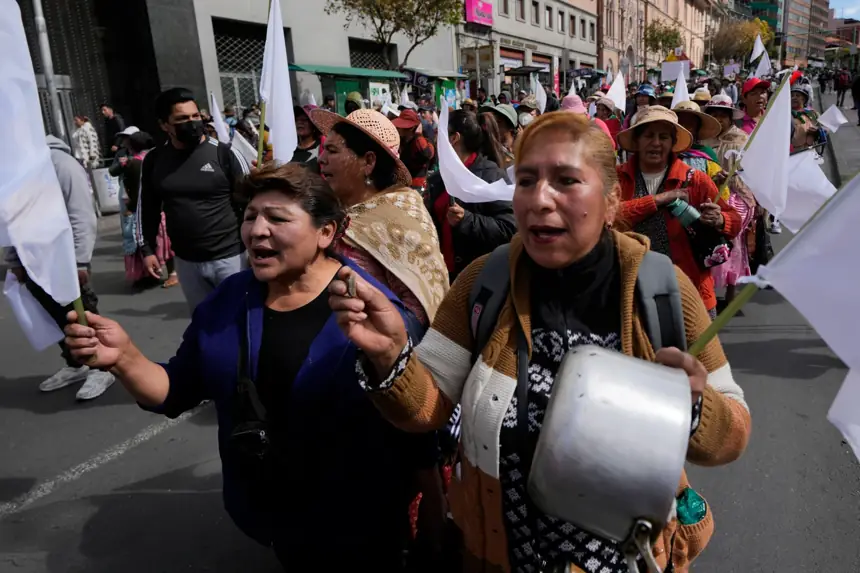
Bolivia is facing its most serious political unrest in years as protests and road blockades challenge President Rodrigo Paz less than six months after he took office, raising concerns about economic instability and regional political polarization. According to Associated Press reporting, demonstrations have spread across major cities and transport corridors, disrupting fuel deliveries, food supplies, and medical access.
The protests involve labor unions, Indigenous organizations, miners, farmers, and supporters of former President Evo Morales, many of whom accuse Paz of abandoning key promises after campaigning as a centrist alternative to Bolivia’s long-ruling socialist establishment.
Here are five key points about the crisis shaping Bolivia’s political landscape.

Economic Anger Is Driving Much of the Unrest
Bolivia has been struggling through its worst economic crisis in decades, with shortages of fuel and foreign currency contributing to rising inflation and public frustration. Protesters have criticized austerity measures introduced by Paz’s administration, including subsidy reductions and pro-business reforms aimed at stabilizing the economy.
Road blockades have caused severe disruptions in cities including La Paz and El Alto, where hospitals and businesses have reported shortages of supplies. AP reporting said the demonstrations have increasingly focused on the rising cost of living and fears of worsening inequality.
Former Allies Say Paz Betrayed His Base
Many protesters come from sectors previously aligned with Bolivia’s long-dominant Movement Toward Socialism party, known as MAS. According to AP, critics argue Paz distanced himself from Indigenous and rural groups after taking office and instead formed alliances with conservative and business-oriented political forces.
His administration has also faced criticism for excluding Indigenous movement figures from senior government roles. International reporting noted that several ministers come from financial institutions and private-sector backgrounds rather than Bolivia’s traditional labor and social movements.
Evo Morales Remains a Powerful Political Figure
Former President Evo Morales continues to influence the protest movement despite no longer holding office. AP and other international reports said Morales supporters have joined anti-government mobilizations and are calling for early elections or Paz’s resignation.
■ Related News

The protests reflect ongoing divisions within Bolivia’s political left following years of internal conflict inside MAS. Morales, who governed Bolivia from 2006 to 2019, remains a highly influential figure among rural and Indigenous communities despite legal and political controversies surrounding his role in national politics.
Security Concerns Are Escalating
Violent clashes between protesters and security forces have intensified in recent weeks. Demonstrators have used roadblocks, marches, and confrontations with police, while authorities warned the disruptions are contributing to deaths linked to delayed medical care and shortages.
President Paz has threatened to declare a state of emergency and backed legislation that could expand the military’s role in responding to domestic unrest. Reuters reported that the move would allow troops to be deployed more broadly if conditions continue deteriorating.
Opposition groups and some lawmakers warned that military involvement could deepen tensions and increase the risk of wider confrontation. Details about how far the government may go remain unclear.
The Crisis Has International Implications
Bolivia’s unrest is drawing attention across Latin America because Paz’s presidency marked a significant political shift after nearly two decades of socialist-led government. International reporting noted that the administration rebuilt relations with the United States and strengthened ties with conservative regional governments after taking office in late 2025.
At the same time, left-leaning governments and political movements in the region have expressed sympathy for protesters and criticism of Paz’s economic policies. Analysts cited in international coverage warned that the crisis could influence broader debates across Latin America over austerity, commodity dependence, and political realignment.
Bolivia’s political future remains uncertain as negotiations between the government and protest leaders continue intermittently while demonstrations persist in several regions. Authorities have not publicly confirmed whether emergency measures will be formally implemented nationwide.