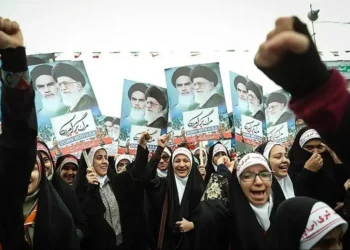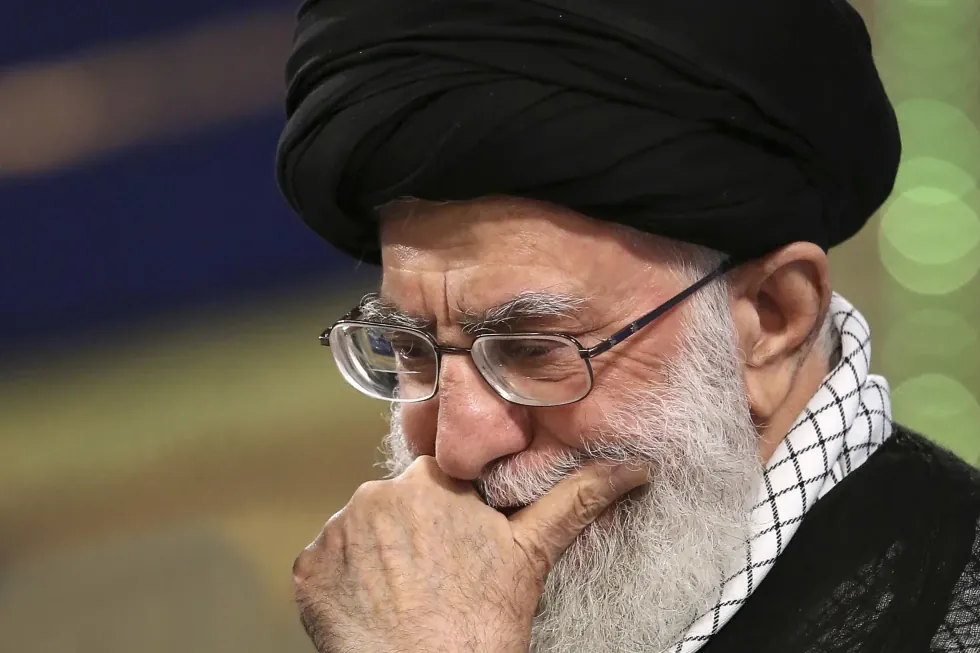
DUBAI, United Arab Emirates (JN) – Ayatollah Ali Khamenei, Iran’s supreme leader since 1989, has died at the age of 86, state media reported. His death comes amid intensified U.S. and Israeli military operations targeting Iran’s nuclear program and regional proxies. Khamenei’s decades-long rule reshaped Iran’s political, military, and religious structures, leaving a legacy of deep internal control and persistent international confrontation.
Khamenei, who succeeded the Islamic Republic’s founder Ayatollah Ruhollah Khomeini, steered Iran through decades of domestic unrest and regional conflict, expanding the authority of the Shiite clerical establishment and the Revolutionary Guard. His tenure saw the country confront both popular demands for reform and external pressure over its nuclear ambitions and military interventions. Analysts note that his passing opens an uncertain chapter for Iran’s political system, with the selection of a successor by the Assembly of Experts likely to determine the country’s immediate trajectory.
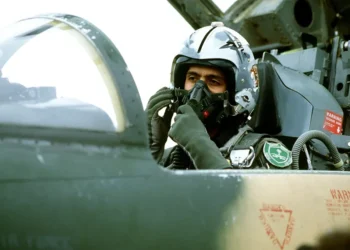
Khamenei’s death follows a major military strike reportedly carried out by Israel and the United States, which targeted Iranian nuclear facilities and senior officials. Iranian authorities announced 40 days of public mourning and a seven-day national holiday to mark his passing.

Early life and rise to power
Born in Mashhad in 1939, Khamenei studied under Khomeini at the Qom seminary and joined the anti-shah movement, enduring imprisonment and periods in hiding. After the 1979 Islamic Revolution, he served on the Revolutionary Council and later became Iran’s third president in 1981. A bombing the same year left him partially paralyzed.
Following Khomeini’s death in 1989, Khamenei was elevated to supreme leader and granted the rank of grand ayatollah, despite initial questions over his religious credentials. Over the subsequent decades, he solidified control over Iran’s government, expanding the clerical bureaucracy and embedding the Revolutionary Guard within both military and economic structures.
Domestic governance and unrest
Khamenei maintained a tight grip on political power, curbing reformist movements and suppressing opposition. Key challenges included the 1997 election of reformist President Mohammad Khatami, the disputed 2009 reelection of hard-line President Mahmoud Ahmadinejad, and widespread protests following economic hardship in 2017 and 2019.
The 2022 death of Mahsa Amini, detained for allegedly violating hijab rules, sparked nationwide demonstrations that were met with lethal crackdowns. Analysts cite such unrest as indicative of broader societal discontent, with repeated waves of protests challenging both Khamenei’s authority and the wider clerical establishment.
Regional influence and proxy strategy
Under Khamenei, Iran shifted from conventional military engagements to supporting regional proxies. The Revolutionary Guard’s Quds Force played a central role in backing Hezbollah in Lebanon, Houthi rebels in Yemen, and Shiite militias in Iraq and Syria. These operations extended Iran’s influence but also drew international scrutiny and retaliatory strikes.



The October 2023 Hamas attack on Israel and subsequent Israeli operations destabilized long-standing regional alliances, with Iran and Israel engaging directly in 2024 and again in mid-2025. These conflicts underscored both the reach and the limits of Iran’s proxy strategy.
Nuclear program and international confrontation
Khamenei oversaw Iran’s nuclear ambitions, rejecting U.S. sanctions and negotiations that he deemed insufficient. Despite a 2015 nuclear deal, the country’s uranium enrichment levels accelerated after the U.S. withdrawal from the accord in 2018. By 2025, Iran had amassed near-weapons-grade uranium, heightening global concerns.
Repeated talks with the United States and allied pressure failed to resolve the nuclear standoff. Military strikes by Israel and the U.S. targeted facilities and personnel, inflicting substantial damage while leaving the program’s overall progress uncertain.
Uncertain succession
Iran’s Assembly of Experts, an 88-member body of clerics, is responsible for selecting Khamenei’s successor. No clear heir has been publicly identified, and analysts suggest that the Revolutionary Guard will play a decisive role in shaping the transition. The nation of 90 million faces a period of political uncertainty amid ongoing economic challenges, international scrutiny, and public calls for reform.
Khamenei’s death marks the end of an era in Iran, closing a chapter defined by clerical consolidation, regional interventions, and enduring tensions with the West. How his successors navigate these internal and external pressures will shape Iran’s trajectory for years to come.
Source: AP News – Iran’s Supreme Leader Ayatollah Ali Khamenei, who led the Islamic Republic since 1989, is dead at 86