Argentine health authorities are intensifying efforts to contain a growing hantavirus outbreak as investigators examine whether a deadly cluster of infections aboard an international cruise ship originated in the country’s southern Patagonia region.
The outbreak has drawn international attention after multiple passengers aboard the Dutch-flagged MV Hondius died or became seriously ill during a voyage that began in Ushuaia, Argentina, before continuing through Antarctica and across the Atlantic. Health officials from several countries are now coordinating tracing and containment measures as concerns grow over the spread of the Andes strain of hantavirus.
According to reporting from The Associated Press, Argentina has recorded 101 hantavirus infections since June 2025, nearly double the number reported during the previous comparable period. Officials say the mortality rate associated with recent infections has also increased sharply.

International Health Response Expands Across Multiple Continents
Authorities in Argentina, Europe, South Africa and the World Health Organization are collaborating to determine where passengers may have contracted the virus before symptoms emerged during the voyage. Investigators are particularly focused on a Dutch couple believed to have traveled through southern Argentina before boarding the cruise ship in Ushuaia.
The Argentine government announced plans to trap and test rodents in areas linked to the travelers’ itinerary, reflecting growing concern that infected rodent populations may be expanding across parts of Patagonia. Hantavirus is typically transmitted through exposure to rodent urine, droppings or saliva, though the Andes strain found in South America can occasionally spread between humans under close-contact conditions.
Three cruise passengers have died during the outbreak, while several others remain under medical observation in Europe and South Africa. Health officials have emphasized that the broader public risk remains low despite the seriousness of the infections.
Climate Conditions and Ecological Shifts Under Scrutiny
Scientists and epidemiologists say environmental changes may be contributing to the increase in hantavirus activity across Argentina and neighboring regions. Warmer temperatures and shifting rainfall patterns are believed to have supported larger rodent populations, increasing the likelihood of human exposure in rural and wilderness areas.
Public health specialists also warn that early hantavirus symptoms — including fever, fatigue and respiratory distress — can resemble influenza or other respiratory illnesses, complicating rapid diagnosis. In severe cases, the disease can progress into hantavirus pulmonary syndrome, a potentially fatal respiratory condition.


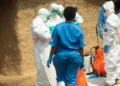

Argentina’s health ministry has expanded surveillance and laboratory support while sharing diagnostic materials with countries involved in the cruise ship investigation. Authorities in Spain, the Netherlands, Senegal, South Africa and the United Kingdom are reportedly coordinating contact tracing linked to passengers and crew members from the voyage.
Global Travel and Maritime Health Monitoring Intensify
The outbreak has renewed international focus on infectious disease risks linked to expedition tourism and long-distance maritime travel. Cruise ships remain particularly sensitive environments for outbreak management because of confined conditions and multinational passenger movements.
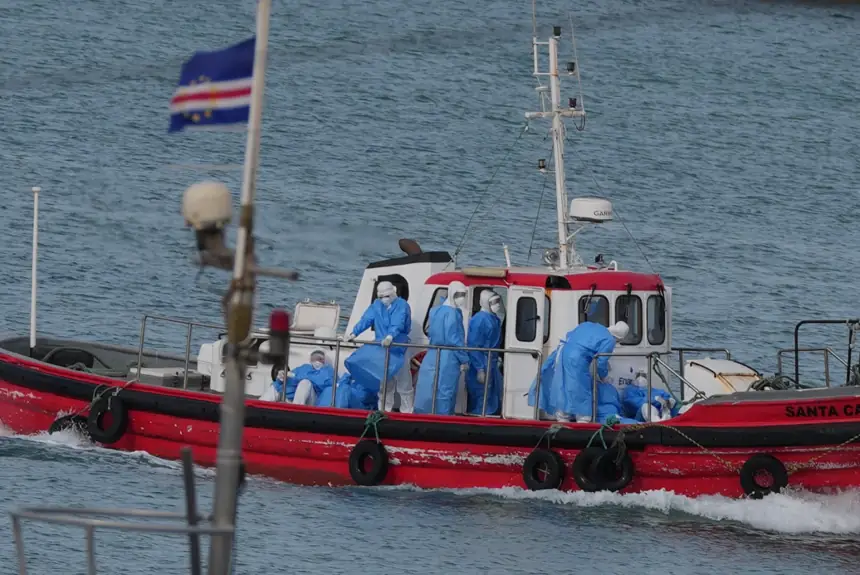
The MV Hondius was diverted during its Atlantic itinerary after multiple illnesses emerged on board, eventually anchoring near Cape Verde before medical evacuations were carried out. Several passengers were later transferred to hospitals in Europe for treatment and monitoring.
Health experts say the incident highlights the growing importance of international disease coordination in an era of increased global mobility and climate-related ecological change. While authorities continue to stress that hantavirus transmission remains relatively rare, the cross-border nature of the outbreak has prompted heightened surveillance measures across several continents.
Investigators are expected to continue tracing exposure routes and testing environmental samples in the coming weeks as officials seek to determine whether Argentina was the primary origin point of the deadly infections.