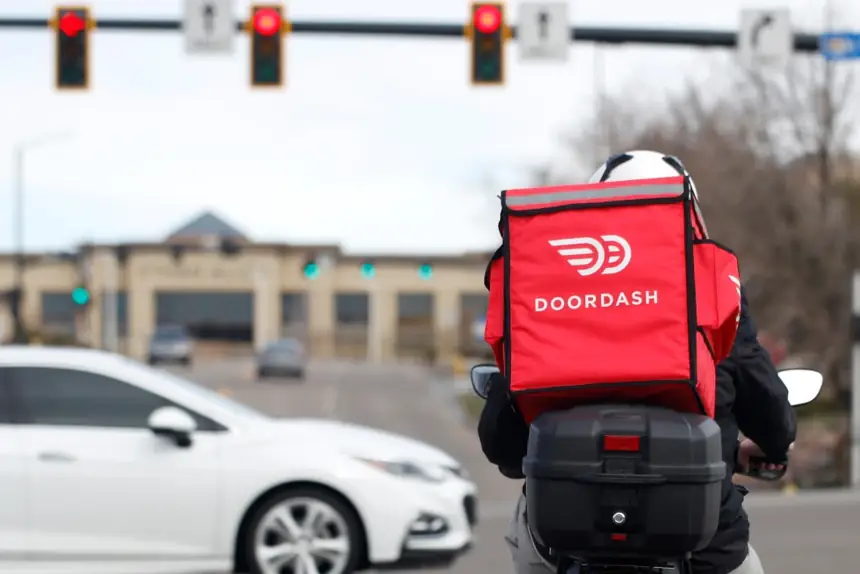
Food delivery platform DoorDash said it plans to spend more than $50 million on fuel-related assistance for delivery drivers this spring, expanding support measures as rising gasoline prices increase operating costs across the gig economy sector.
The initiative comes as transportation and delivery companies face broader inflationary pressures tied to energy markets. According to company statements reported by the Associated Press, the program will temporarily increase payments to eligible drivers based on the distance of deliveries completed through the platform.
DoorDash said the fuel support initiative is designed to offset higher vehicle expenses for drivers, commonly referred to as “Dashers,” who rely on personal vehicles to fulfill deliveries. The company indicated that the relief payments would apply to orders completed during the spring period, when U.S. gasoline prices have remained elevated compared with prior-year levels.

The move highlights growing operational challenges within the app-based delivery industry, where fuel costs directly affect contractor earnings and platform efficiency. Analysts have noted that rising energy prices are increasing pressure on companies that depend heavily on independent drivers and transportation networks.
Fuel Costs Reshape Delivery Economics
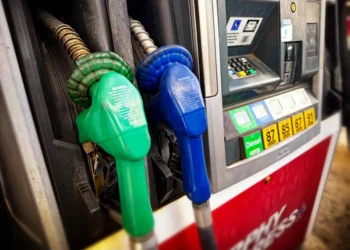
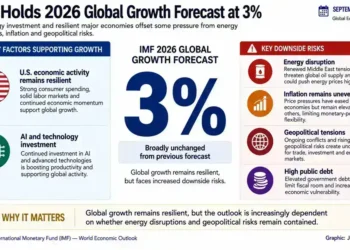
Gasoline prices in the United States have climbed sharply amid global energy market disruptions and supply concerns linked to geopolitical tensions. Industry data has shown that higher fuel expenses are becoming a significant issue for ride-hailing and delivery platforms attempting to balance driver retention with profitability targets.
DoorDash executives said the temporary program would add a surcharge mechanism tied to delivery distances. The company did not indicate that the fuel assistance would become a permanent component of its pricing structure.
The company stated that consumers and merchants would also share part of the cost burden through modest fee adjustments attached to orders. Such pricing strategies have become increasingly common among transportation and logistics businesses seeking to offset volatility in fuel markets.
Competitive Pressure Across Gig Platforms
The delivery sector has faced intensifying competition as companies attempt to maintain driver supply while controlling operational expenses. Rival gig economy platforms, including ride-sharing and food delivery operators, have introduced similar temporary incentives or surcharges in response to energy price increases.


Industry analysts said the measures reflect a broader challenge facing platform-based labor models, where independent contractors absorb many day-to-day operating costs. Rising fuel prices can reduce driver participation rates if compensation adjustments fail to keep pace with expenses.
DoorDash has continued expanding beyond restaurant deliveries into grocery, convenience, and retail categories as it seeks to diversify revenue streams and strengthen customer engagement. The company remains one of the largest food delivery operators in the United States by market share.
Inflation Pressures Continue Affecting Consumer Services
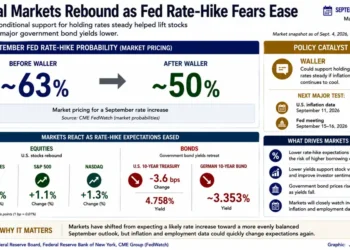
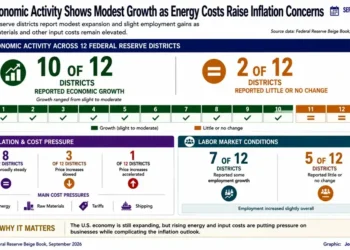
The fuel relief announcement also underscores how inflationary pressures are affecting consumer-facing technology businesses. Companies across logistics, transportation, and e-commerce sectors have introduced pricing changes or temporary surcharges to manage higher energy and supply-chain expenses.
Economists and market observers continue monitoring whether elevated fuel costs will lead to broader shifts in consumer spending behavior, particularly in discretionary service categories such as food delivery.
DoorDash did not disclose the long-term financial impact of the support program but said the initiative was intended to provide near-term assistance during a period of unusually high transportation costs.