Artificial intelligence is increasingly embedded in workplaces, reshaping how tasks are performed and how employees adapt. Across sectors, automation tools are streamlining routine processes while creating opportunities for higher-value work. This explainer examines what these changes mean for workers, businesses, and the future of employment.
AI technologies have moved from niche applications to mainstream workplace tools, affecting millions of jobs worldwide. Companies are adopting AI solutions for everything from data analysis to customer support, promising gains in speed and efficiency.
Yet these transformations are not uniform. While some roles are evolving to focus on creativity and strategic thinking, others face disruption or require reskilling. Understanding how AI integration works—and what it means for employees—is critical for both businesses and policymakers.

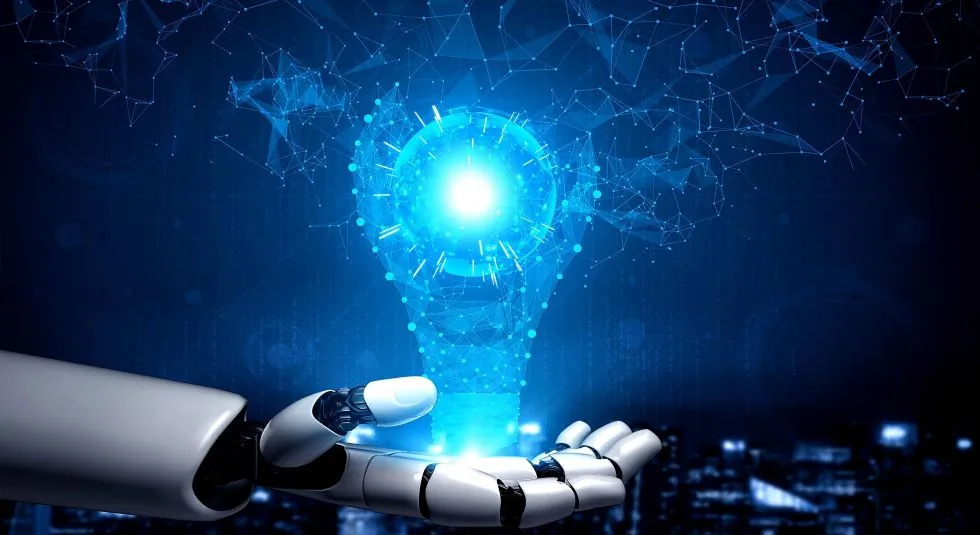
Experts suggest that the adoption of AI does not simply replace humans but augments work, creating a hybrid environment where humans and machines collaborate. This shift raises questions about skills, oversight, and ethical deployment that organizations must address.
Automation Streamlining Routine Tasks
AI tools are increasingly handling repetitive work across industries. Customer service chatbots answer millions of inquiries daily, while virtual assistants manage scheduling and routine communications. In finance, AI algorithms detect irregular transactions faster than humans, enhancing fraud prevention. In healthcare, diagnostic tools assist physicians by flagging anomalies in medical scans.
This trend suggests that automation is not limited to manufacturing or tech-heavy roles; it is now a cross-sector phenomenon affecting a wide range of daily work activities.
Jobs Are Evolving Rather Than Disappearing
Contrary to widespread fears of mass layoffs, evidence points to a reshaping of roles rather than wholesale elimination. AI can take over repetitive analysis, freeing workers to focus on tasks requiring critical thinking, emotional intelligence, or creativity. Marketing professionals, for example, increasingly rely on AI to analyze campaign performance, allowing them to concentrate on strategy and storytelling.
Upskilling is becoming essential. Companies that invest in training employees to work alongside AI tools are better positioned to maintain productivity while fostering innovation. Experts note that this hybrid model emphasizes complementarity: machines handle routine work, humans handle judgment, context, and creativity.




Challenges and Ethical Considerations
Rapid AI adoption also raises significant challenges. Algorithmic bias, data privacy, and over-reliance on automation require careful management. Regulatory frameworks are evolving, with organizations encouraged to maintain transparency in AI decision-making.
Ethics experts highlight the need for human oversight, particularly in sensitive areas such as hiring, lending, and healthcare diagnostics. Failure to address these issues could undermine trust in AI systems and limit the benefits of automation.
Looking Ahead: A Hybrid Workplace
The workplace in 2026 is likely to be collaborative, with AI augmenting human tasks rather than replacing them entirely. Organizations integrating AI thoughtfully can streamline operations while empowering employees to take on higher-value work. This dynamic suggests a long-term shift toward skill-intensive, tech-augmented roles.
While uncertainty remains, evidence points to a future where humans and AI systems co-exist, each performing functions aligned with their strengths. Experts suggest that fostering adaptability, continuous learning, and ethical oversight will be key for companies navigating this transition.
Key Takeaway
AI-driven automation is transforming work globally, creating a hybrid environment where machines and humans complement each other. While challenges remain, the trend toward collaborative AI suggests opportunities for efficiency, innovation, and redefined roles in the modern workforce.