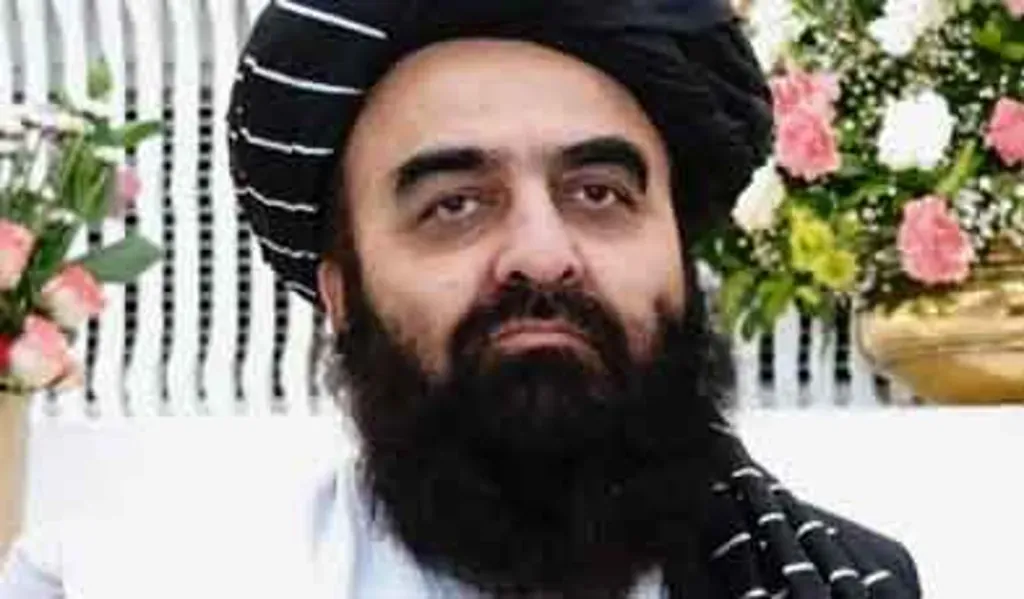
MOSCOW, Russia – Russia hosted the eighth Moscow Format consultations on Afghanistan on Oct. 5, bringing the Taliban together with China, India, Iran, Pakistan and Central Asian countries for talks on regional security and cooperation.
Afghan Foreign Minister Amir Khan Muttaqi led the Taliban delegation. Representatives from Kazakhstan, Kyrgyzstan, Tajikistan and Uzbekistan also joined officials from the other participating countries.
The talks focused on political and economic cooperation with Afghanistan, as well as regional efforts against terrorism and drug trafficking. Russia also used the meeting to reinforce its opposition to any NATO military infrastructure in Afghanistan or neighboring countries.

Pakistan tensions overshadow talks
The meeting came as relations between Afghanistan and Pakistan remained tense over cross-border attacks and accusations involving militant groups.
Russia offered to help ease the dispute. Russian presidential envoy for Afghanistan Zamir Kabulov said Moscow was prepared to help end the conflict if both sides requested assistance.
The dispute also affected the meeting’s final outcome. Afghan and Pakistani representatives disagreed over language in a proposed joint statement, preventing participants from adopting a final document.
The disagreement centered on references to Afghanistan in the context of terrorism. Russia said the Moscow Format would continue despite the failure to reach agreement.
Russia deepens engagement with Taliban
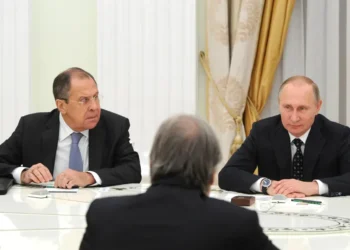
Russian Foreign Minister Sergey Lavrov welcomed Muttaqi and praised what he described as the Taliban government’s progress in combating Islamic State and drug trafficking.

Lavrov also said Russia would continue providing humanitarian assistance to Afghanistan. He linked cooperation against terrorism and narcotics to ongoing military-technical ties between Russia and the Taliban.
Russia has taken a particularly close diplomatic position toward the Taliban. In July 2025, Moscow became the first country to formally recognize the Taliban government after removing the group from its list of outlawed organizations.
That recognition does not mean the Taliban has gained broad international acceptance. The government remains largely isolated internationally, particularly because of its restrictions on women and girls.
Regional diplomacy remains central
The Moscow Format has become an important regional channel for discussions on Afghanistan since its creation in 2017. Its participants include countries with major security, economic and political interests in Afghanistan.
The Oct. 5 meeting showed both the value and limits of that regional approach. Governments were able to meet with the Taliban and discuss shared security concerns, but the worsening Afghanistan-Pakistan dispute prevented them from agreeing on a common final statement.
For Russia, the talks also provide another avenue to expand its regional diplomatic role while opposing renewed Western military infrastructure in Afghanistan and neighboring states.
The immediate challenge is whether regional diplomacy can contain the Afghanistan-Pakistan dispute while keeping cooperation on security and economic issues moving forward.
Reporting Credit: Russian Ministry of Foreign Affairs; Pakistan Ministry of Foreign Affairs; Afghan Ministry of Foreign Affairs; Russian Presidential Special Representative for Afghanistan.