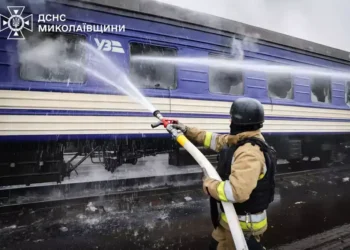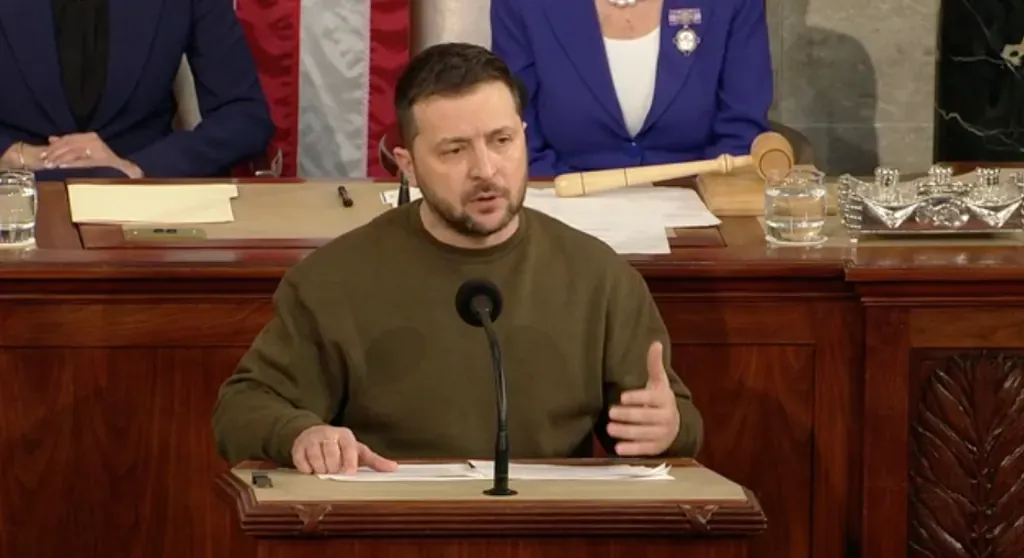
KYIV, Ukraine – Ukraine will intensify attacks on Russian oil refineries, President Volodymyr Zelenskiy said, linking the planned escalation to what he described as a broader Russian campaign against Ukrainian infrastructure and cities.
In an Oct. 3 interview with Reuters, Zelenskiy said Ukrainian intelligence had obtained documents indicating that Russian President Vladimir Putin had authorized attacks against a wider range of targets ahead of winter.
Zelenskiy said the documents referred to infrastructure, logistics, roads, schools and hospitals. He also said the purpose was to pressure residents to leave Kyiv and other Ukrainian cities.

Those claims are Ukrainian intelligence assessments presented by Zelenskiy. They have not been independently established as a formally adopted Russian military doctrine.
Ukraine Links Refinery Strikes to Russian Energy Attacks
Zelenskiy said Kyiv would respond to Russian attacks on Ukrainian energy infrastructure by striking Russian energy infrastructure, particularly oil refineries.
“We have to respond in any way we can,” Zelenskiy said in the Reuters interview, adding that refineries were important because they generate revenue for Russia’s war effort. He also said Ukraine would not respond by deliberately targeting civilian objects.
The announcement represents an intensification of an existing Ukrainian long-range campaign rather than the beginning of refinery attacks.
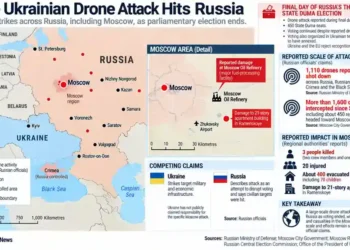
In June, Zelenskiy said Ukrainian forces had struck 15 Russian oil refineries between January and May. He also claimed that almost 40% of Russia’s primary refining capacity was offline by May. Those figures were Ukrainian government assessments and were not independently verified in the statement.

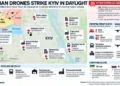
Zelenskiy has continued to describe attacks on Russian refining capacity as part of Ukraine’s effort to reduce the resources available to Russia’s war effort. In a September address, he said the Ukrainian operation against Russian oil refining was continuing.
Russian Strikes Have Intensified in Kyiv
The announcement came after several days of attacks that have disrupted critical infrastructure in the Ukrainian capital.
Kyiv authorities said a Russian attack on Oct. 3 damaged the Northern Bridge, including its road surface and trolleybus power network. Traffic from the left bank toward the right bank was temporarily blocked.
The attack followed strikes on other bridges. Kyiv authorities said the Southern Bridge had been completely closed after repeated attacks, while restrictions were also imposed on the Metro and Paton bridges.
The city’s official weekly account also reported that attacks during the preceding days damaged residential and non-residential buildings, a school, a gas station and other infrastructure. The city said three people were killed and six injured in the Sept. 30 attack, while an earlier Sept. 28 attack killed two people and injured 26.
The documented damage establishes that Russian attacks have affected civilian and transport infrastructure in Kyiv. It does not, by itself, establish the broader purpose Zelenskiy attributes to Moscow.
Moscow Describes Its Strikes as Retaliatory
Russia has rejected the characterization that it deliberately targets civilians.
On Oct. 3, the Russian Foreign Ministry said Russian forces would continue what it described as targeted retaliatory strikes against military facilities in Kyiv and other Ukrainian cities. Moscow said the strikes were in response to Ukrainian attacks against Russian civilians and infrastructure.
The ministry also warned foreign nationals and diplomatic personnel against remaining in or traveling to Ukraine.
Russian President Vladimir Putin has similarly described Russian strikes as a response to Ukrainian attacks on Russian territory and infrastructure. Russia’s position is that its military targets are connected to Ukraine’s military activities rather than civilians.
Ukraine rejects that characterization and says Russia’s attacks have increasingly struck critical infrastructure and urban areas.
The Escalation Extends an Existing Energy War
Both countries have increasingly used long-range weapons against infrastructure connected to the opposing side’s economy and military capacity.
Ukraine’s refinery campaign has already affected Russian fuel production. Earlier in 2026, Moscow imposed restrictions on petroleum-product exports amid pressure on its domestic fuel market, while Ukrainian attacks on refineries contributed to disruptions in Russian fuel production.
The economic consequences also extend beyond Russia. U.S. President Donald Trump previously called on Zelenskiy to stop attacks on Russian diesel-producing facilities, arguing that the disruption was contributing to wider fuel shortages and higher prices.
Zelenskiy’s latest statement indicates that those U.S. appeals have not persuaded Kyiv to abandon the refinery campaign.
What the “New Doctrine” Claim Means
The central unresolved issue is whether Russia has actually adopted a formal change in its targeting policy.
Zelenskiy says Ukrainian intelligence possesses documents showing that Putin authorized a broader range of targets before winter. His description includes infrastructure, logistics and urban facilities.
Russia has not publicly confirmed the existence of such a doctrine. Its Foreign Ministry instead describes its current strikes as systematic and retaliatory attacks against military facilities.
JournosNews therefore cannot independently characterize the alleged doctrine as an established Russian policy. The evidence available publicly supports a narrower conclusion: Russian attacks on Kyiv have recently expanded to include major transport infrastructure, while Moscow says it intends to continue retaliatory strikes.
A New Phase of Retaliatory Escalation
Zelenskiy’s refinery announcement raises the prospect of another cycle of attacks in which energy infrastructure becomes an increasingly prominent target.
Ukraine has already demonstrated the ability to conduct long-range strikes against Russian oil facilities, and Zelenskiy has now explicitly said the campaign will intensify in response to Russian attacks on Ukraine’s energy system.
The timing is significant as both sides prepare for another winter of attacks against infrastructure.
But the next targets, scale and timing of any Ukrainian refinery strikes remain unknown. No particular Russian refinery was identified by Zelenskiy in the announcement.
For now, the verified development is a declared Ukrainian intention to expand an existing campaign against Russian refining infrastructure, alongside Russia’s stated intention to continue retaliatory strikes inside Ukraine.
Reporting Credit: Office of the President of Ukraine; Kyiv City authorities; Russian Ministry of Foreign Affairs; Russian government records; Ukrainian Ministry of Defense and General Staff materials where applicable.