ADDIS ABABA, Ethiopia – Ethiopia has expelled 10 Eritrean diplomats and ordered them to leave the country within 48 hours, while also closing its embassy in Eritrea.
Eritrea responded by announcing that it was severing diplomatic relations with Ethiopia, marking a major deterioration in ties between the two neighboring countries.
The diplomatic rupture comes as fighting has resumed in northern Ethiopia and accusations between the two governments have intensified.

Ethiopia orders diplomats to leave
Ethiopia’s Ministry of Foreign Affairs said the 10 Eritrean diplomats had been declared persona non grata and ordered to leave Ethiopia within 48 hours.
The ministry accused the diplomats of involvement in activities that posed a direct threat to Ethiopia’s national security and said their actions violated the Vienna Convention on Diplomatic Relations.
Ethiopia also announced the closure of its embassy in Asmara, the Eritrean capital.
The government described the measures as a response to what it called Eritrea’s “direct and indirect acts of hostility and belligerence” against Ethiopia.
Ethiopia nevertheless said it continued to value its historical, cultural and people-to-people ties with Eritrea and remained committed to peaceful coexistence and regional stability.
■ Related News


Eritrea cuts diplomatic ties
Eritrea said Ethiopia’s expulsion of its diplomats effectively meant that its embassy in Addis Ababa could no longer operate normally.
Eritrean Foreign Minister Yemane Gebremeskel told Reuters that Eritrea had no option but to respond in kind.
Eritrea’s Foreign Ministry subsequently announced that it was severing all diplomatic ties with Ethiopia.
The decision means the two countries have moved from a period of deteriorating relations to a formal diplomatic rupture.
It does not, by itself, mean that the two countries have entered a new war.
Fighting has resumed in northern Ethiopia
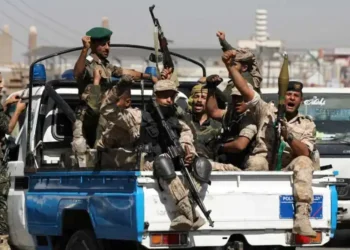
The diplomatic crisis is unfolding alongside renewed fighting in northern Ethiopia, particularly in Tigray.
Ethiopia has accused Eritrea of supporting an armed opposition alliance led by the Tigray People’s Liberation Front, or TPLF.
Eritrea has denied the allegations. Reuters reported that Sudan and Egypt have also been accused by Addis Ababa of supporting the opposition alliance, with all three countries denying the accusations.
The renewed fighting represents the most serious escalation in Ethiopia since the end of the country’s 2020–2022 civil war.
Eritrean forces fought alongside Ethiopian federal forces during that earlier conflict, making the deterioration in relations particularly significant.
Tensions extend beyond Ethiopia and Eritrea
The diplomatic dispute has also drawn Egypt into the wider confrontation.
Ethiopia separately declared an Egyptian diplomatic staff member persona non grata and ordered him to leave within 48 hours, according to the Ethiopian Foreign Ministry.
Egypt subsequently responded by declaring an Ethiopian embassy counsellor persona non grata and giving him 48 hours to leave, according to Reuters.
The developments have therefore expanded the diplomatic dispute beyond Ethiopia and Eritrea into a broader regional confrontation involving three important countries in the Horn of Africa and Nile region.
African Union calls for restraint
The African Union Commission has called on Ethiopia, Eritrea and Egypt to exercise maximum restraint.
The AU said it was closely following the heightened tensions and urged the three countries to avoid actions or statements that could further escalate the situation.
It also called for differences to be addressed through established diplomatic channels and peaceful dialogue.
The commission said it was prepared, in consultation with the countries involved, to support efforts toward de-escalation and a peaceful resolution.
Explosions reported in Addis Ababa
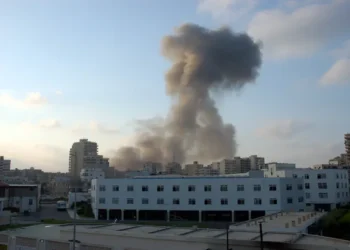
The diplomatic rupture followed reports of several explosions in Addis Ababa overnight.
Reuters and the Associated Press reported that explosions were heard in different parts of the capital. The cause of the blasts was not immediately established.
A source linked to the armed opposition alliance claimed that the group had carried out drone strikes in the capital. That claim could not be independently verified.
The explosions should therefore be treated separately from the diplomatic decisions unless further evidence establishes a connection.
A fragile relationship breaks down
Ethiopia and Eritrea have a long history of conflict.
The two countries fought a major border war from 1998 to 2000 before relations improved dramatically in 2018. Eritrea later fought alongside Ethiopian federal forces during the Tigray war.
Relations deteriorated again after the 2022 agreement that ended the main phase of the Tigray conflict.
Disputes have since included Ethiopia’s efforts to secure access to the Red Sea, as well as disagreements over security and the political future of Tigray.
The latest diplomatic measures now remove formal diplomatic ties from an already strained relationship.
Diplomatic rupture does not mean war
The expulsion of diplomats and closure of an embassy represent a serious diplomatic escalation, but they are not themselves evidence that Ethiopia and Eritrea have entered a new armed conflict.
The more immediate concern is that the diplomatic breakdown is occurring while fighting is already taking place inside northern Ethiopia.
For now, Ethiopia says Eritrean actions have threatened its national security, while Eritrea rejects Addis Ababa’s accusations and has responded by ending diplomatic relations.
The African Union is urging all sides to keep communication channels open and resolve their differences through diplomacy.
The situation remains fluid as fighting in northern Ethiopia continues and regional governments respond to the widening diplomatic crisis.
Reporting Credit: Ethiopian Ministry of Foreign Affairs; Eritrean Ministry of Foreign Affairs; African Union Commission; Ethiopian National Defense Force and relevant Ethiopian government statements; official statements from the Tigray People’s Liberation Front and opposition alliance where available; United Nations and relevant humanitarian agencies. Secondary reporting from Reuters and Associated Press was used for chronology and developments that could not be independently established from primary sources.