


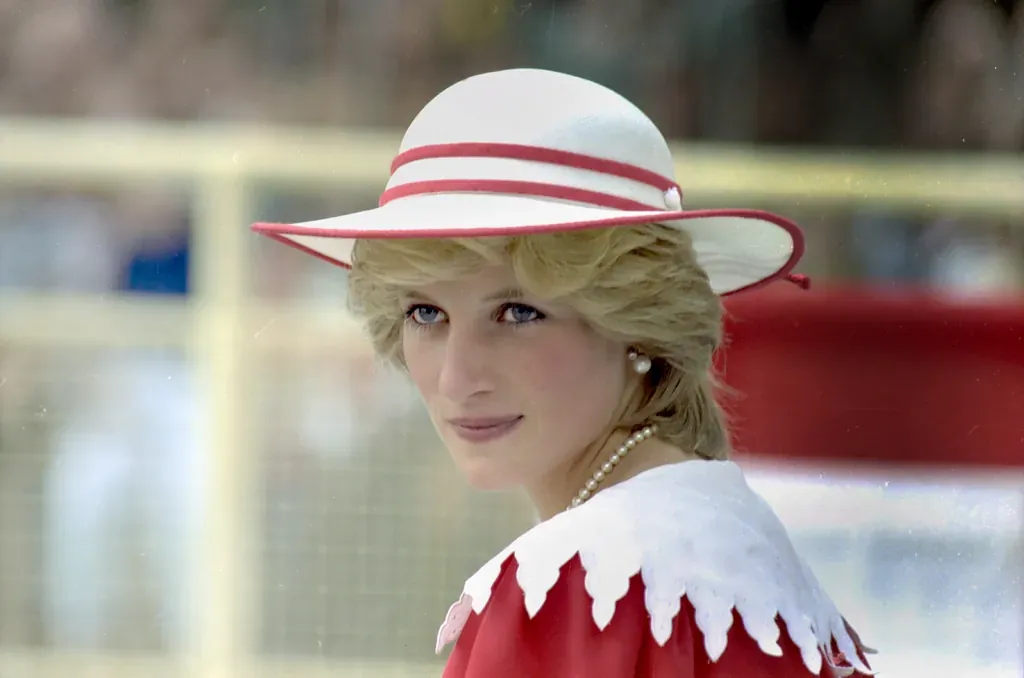
LONDON, United Kingdom – Buckingham Palace has issued an unusually direct response to allegations about King Charles III contained in a forthcoming memoir by Princess Diana’s brother, Charles Spencer, reopening a long-running dispute over the royal family’s handling of Diana’s death and funeral.
Spencer alleges in Swan Song: Diana, My Sister that then-Prince Charles told him, during an argument over Diana’s funeral arrangements in 1997, “we’ll forget her soon enough.”
He also describes Charles as sounding “giddily elated” during a conversation on the night Diana died in a Paris car crash. Those accounts are Spencer’s recollections nearly three decades after the events. They have not been independently established.

Buckingham Palace responded after excerpts from the memoir were published, saying it normally does not comment on books but noting that the king is mindful that grief can affect judgment and memory many years after a loss. The statement did not provide a detailed account of Charles’s version of the conversations.
Dispute over Diana’s funeral
The disputed conversation concerned plans for Diana’s funeral procession following her death on Aug. 31, 1997.
Spencer writes that he objected to Princes William and Harry, then 15 and 12, walking behind their mother’s coffin. He believed Diana would not have wanted her young sons to take part in the public procession.
According to Spencer’s account, he subsequently received a telephone call from Charles, who insisted that the boys should participate. Spencer says the disagreement became heated before Charles allegedly made the remark about Diana being forgotten.
William later described the decision to participate in the procession as a collective family decision. Both William and Harry ultimately walked behind their mother’s coffin alongside Charles, Spencer and Prince Philip during the procession to Westminster Abbey.
■ Related News



The historical record therefore establishes that the princes participated in the procession. The private conversation and the precise words Spencer attributes to Charles remain disputed.
Spencer stands by his account
Spencer has rejected suggestions that his recollection is unreliable.
In a BBC interview broadcast Friday, he said he remembered the conversation clearly and maintained that the words attributed to Charles were exactly what was said. He also said he had told friends and family about the exchange at the time because he considered it shocking.
Spencer’s position is that the memoir records his personal memories of Diana and the aftermath of her death. The publisher describes the book as his first extended account of his sister and says it was written ahead of the 30th anniversary of Diana’s death in 2027.
The palace has not publicly provided a detailed alternative reconstruction of the alleged conversation.
That leaves the central exchange as a disputed recollection: Spencer says Charles made the remark, while the palace has challenged the reliability of the memories surrounding the claim rather than publishing a detailed account of what was said.
A memoir arriving nearly 30 years later
Swan Song: Diana, My Sister is scheduled for worldwide publication on Sept. 22, 2026. Penguin Random House says the book examines Diana’s life from her brother’s perspective and covers the final week of her life.
Spencer, who delivered Diana’s funeral eulogy at Westminster Abbey in September 1997, has said he wanted to put his own memories on record rather than continue seeing accounts of his sister that he believes contain inaccuracies.
The memoir also contains other recollections about the royal family’s response to Diana’s death, including Spencer’s account of discussions over her funeral and her former status as a member of the royal family. Those claims have likewise drawn attention because they concern private conversations and decisions from an event that occurred almost three decades ago.
The palace’s response is notable because Buckingham Palace generally does not comment publicly on books about members of the royal family. It also comes ahead of the 30th anniversary of Diana’s death, when renewed public interest in her life and legacy is expected.
For now, the dispute centers on competing recollections of private conversations in the aftermath of Diana’s death. Spencer says he is recording what he remembers as accurately as possible; Buckingham Palace has questioned how grief may have affected those memories.
Reporting Credit: Buckingham Palace — official response to claims concerning King Charles; Penguin Random House/Penguin Press — publication details and stated purpose of Swan Song: Diana, My Sister; Charles Spencer — first-person account and subsequent public response to the palace statement; BBC — interview in which Spencer defended his recollection.


