NEW YORK – U.S. stocks finished mixed on Wednesday, with the benchmark S&P 500 remaining close to its record high as another round of strong corporate earnings helped offset investor concerns over the conflict involving Iran, elevated technology valuations and the outlook for interest rates.
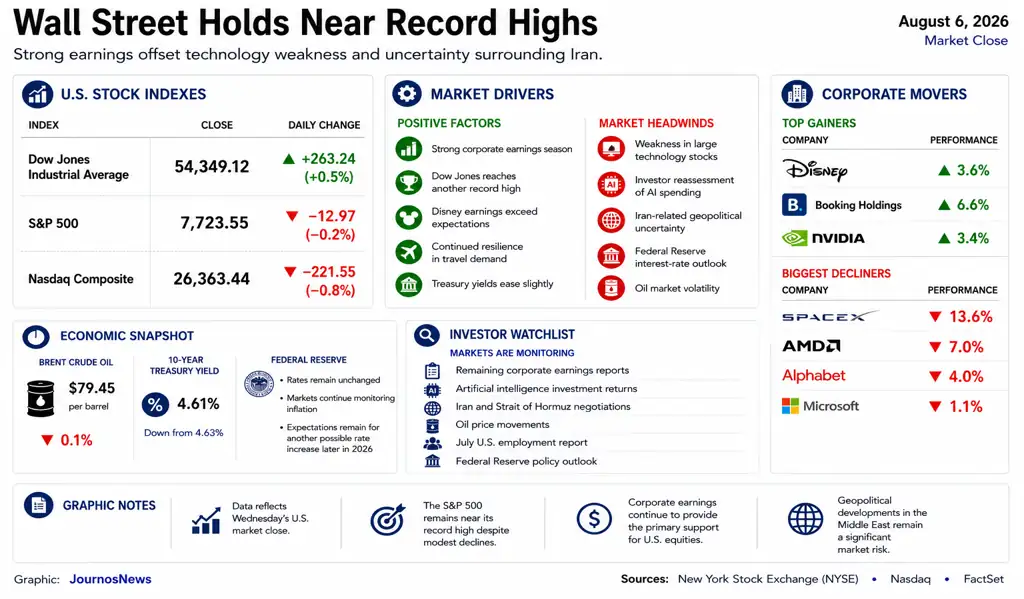
The S&P 500 slipped 12.97 points, or 0.2%, to close at 7,723.55, a day after reaching a record high. The Dow Jones Industrial Average rose 263.24 points, or 0.5%, to another record close of 54,349.12, while the Nasdaq Composite fell 221.55 points, or 0.8%, as weakness among several large technology companies weighed on the index.
Investors have remained encouraged by a stronger-than-expected corporate earnings season, even as geopolitical uncertainty and questions surrounding artificial intelligence investments continue to shape market sentiment.

Strong earnings continue to support equities
Corporate earnings remained the market’s primary driver as the reporting season entered its final stages.
Roughly three-quarters of companies in the S&P 500 have released quarterly results, with Wall Street expecting overall earnings growth of about 50% once the season concludes.
Mark Hackett, chief market strategist at Nationwide, said investors have finally seen the momentum they had anticipated, with the S&P 500 returning to record territory after spending nearly two months below its previous peak.
Entertainment and travel companies led many of the day’s gains.
The Walt Disney Co. rose 3.6% after reporting quarterly earnings that exceeded analysts’ expectations. The company cited strong performance from its theme parks and approximately $1 billion in global box office revenue from Toy Story 5.
Booking Holdings gained 6.6% after reporting stronger-than-expected quarterly profit and revenue, supported by continued resilience in global travel demand.
Technology stocks, however, produced mixed results that limited broader gains. Alphabet fell 4%, while Microsoft declined 1.1%, contributing to the Nasdaq’s weaker performance.
AI spending faces greater investor scrutiny
Artificial intelligence remained a major focus for investors, though market attention has shifted from enthusiasm over AI spending toward whether those investments can generate sustained revenue growth.
SpaceX fell 13.6% after releasing its first quarterly earnings report as a publicly traded company. Although the company reported a significant increase in AI-related capital spending, investors reacted cautiously.
The announcement benefited Nvidia, whose shares rose 3.4% after SpaceX said it plans to use the chipmaker’s processors exclusively for its artificial intelligence systems.
Advanced Micro Devices (AMD) fell 7% following the announcement. Elon Musk had previously indicated that both SpaceX and Tesla would use processors supplied by Nvidia and AMD.
Brian Therien, an investment strategy analyst at Edward Jones, said investors are increasingly evaluating whether heavy AI spending can translate into sustainable earnings rather than simply rewarding companies for expanding investment.
Treasury yields ease slightly
The bond market showed limited movement during Wednesday’s session.
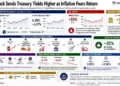
The yield on the benchmark 10-year U.S. Treasury note edged down to 4.61% from 4.63% on Tuesday.
European stock markets also finished mixed as investors balanced corporate earnings with the broader economic outlook.
Iran negotiations remain a key market focus
Developments surrounding the conflict involving Iran continued to influence investor sentiment, although energy markets remained relatively stable.
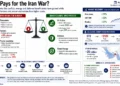
President Donald Trump said negotiations to reopen the Strait of Hormuz could produce an agreement as early as Wednesday, though previous diplomatic efforts have repeatedly advanced before stalling.
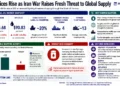
Brent crude, the international oil benchmark, slipped 0.1% to $79.45 per barrel. Oil prices remain well below their recent peak above $102 per barrel, reached during heightened concerns over disruptions to global energy supplies.
Although prices have eased, elevated energy costs continue to contribute to inflation by increasing fuel, transportation and operating expenses for businesses.
Investors await key employment data
Inflation remains a central concern for the Federal Reserve as policymakers continue holding benchmark interest rates steady while assessing the economy.
Many analysts continue to expect at least one additional interest-rate increase before the end of 2026.
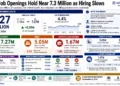
Despite higher borrowing costs and persistent inflation, consumer spending has remained relatively resilient while the U.S. labor market continues to expand at a slower pace than earlier in the economic cycle.
Investors are now focused on Friday’s July employment report, which is expected to provide another important measure of labor market strength and could influence expectations for future Federal Reserve policy decisions.