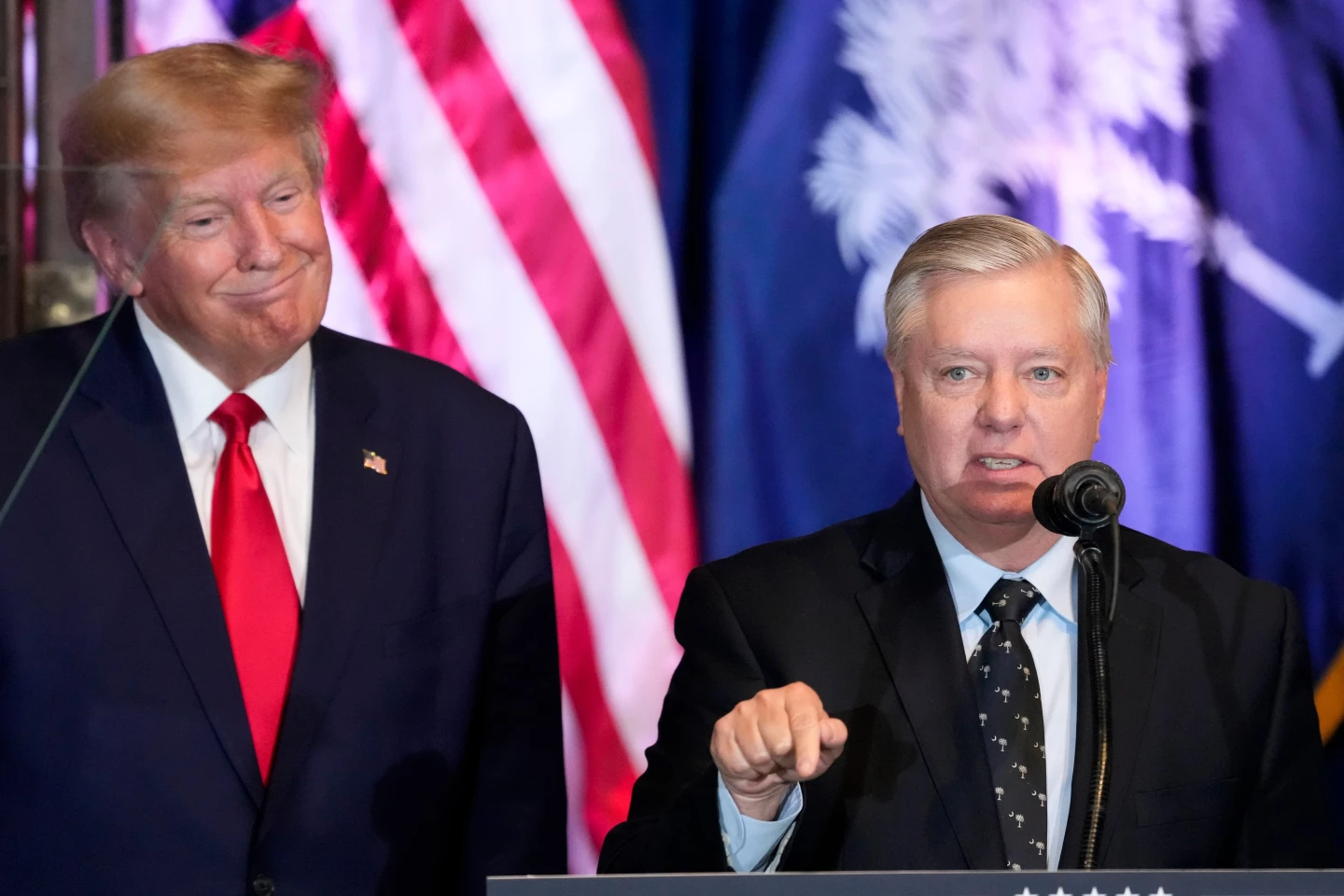
WASHINGTON — The political career of Sen. Lindsey Graham was defined in part by his evolving relationship with President Donald Trump, a bond that transformed from bitter political rivalry into one of the closest alliances in modern Republican politics. That partnership endured even after Graham publicly declared in the aftermath of the Jan. 6, 2021, attack on the U.S. Capitol that he could no longer support Trump.
Graham, the South Carolina Republican who died unexpectedly Saturday at age 71, initially appeared to draw a firm line following the Capitol riot.
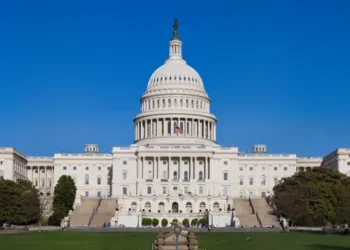
Addressing the Senate after lawmakers reconvened to certify the 2020 presidential election, Graham said the events of Jan. 6 marked a breaking point in his relationship with Trump.

“Trump and I, we’ve had a hell of a journey. I hate it to end this way,” Graham said. “All I can say is count me out. Enough is enough.”
The break, however, proved brief. Within months, Graham concluded that the Republican Party’s future remained closely tied to Trump and resumed his role as one of the president’s most steadfast allies.
“Can we move forward without President Trump? The answer is no,” Graham said in May 2021. “I’ve determined we can’t grow without him.”
Following news of Graham’s death, Trump paid tribute to the senator in a social media post, calling him a “true American Patriot.” Speaking later on NBC’s Meet the Press, Trump said he was stunned by Graham’s sudden passing.
“I just can’t believe it,” Trump said. “He was like a member of the family.”
■ Related News


From Presidential Rival to Trusted Adviser
Graham’s relationship with Trump began with sharp political clashes during the 2016 Republican presidential primary.
He repeatedly criticized Trump during the campaign, calling him “unfit for office” and condemning his attacks on the late Sen. John McCain, Graham’s longtime friend and fellow Republican from Arizona.
Their feud escalated when Trump publicly revealed Graham’s cellphone number. In response, Graham released a widely viewed video in which he destroyed several mobile phones.
As Trump’s campaign gained momentum, Graham warned that nominating him would be politically damaging and declined to support him in the 2016 general election.
The relationship shifted after Trump entered the White House. The two developed a personal friendship, frequently played golf together and found common ground on judicial appointments, legislative priorities and national security issues.
Sen. Tim Scott of South Carolina said their bond deepened over years of spending time together away from Washington, including more than 100 hours on the golf course.
During Trump’s first administration, Graham emerged as one of the president’s most influential allies in Congress, helping advance judicial nominations — including Supreme Court appointments — while backing major elements of the White House’s legislative agenda.
Jan. 6 Break Gave Way to Renewed Alliance
The Capitol attack briefly appeared to bring the partnership to an end.
Following the riot, Graham said he had “never been so humiliated and embarrassed” for the United States, remarks widely viewed as one of the strongest Republican rebukes of Trump after the attack.
That political distance narrowed within weeks after Trump invited Graham to his Mar-a-Lago estate in Florida for golf and dinner, helping rebuild their alliance.
Throughout Trump’s successful 2024 presidential campaign, Graham became one of the president’s most visible surrogates, frequently defending his policies during television appearances.
Although Graham continued to hold more traditional Republican views on foreign policy, including strong support for Ukraine following Russia’s invasion, he remained one of Trump’s closest advisers on international affairs.
He regularly advised the White House on issues involving Israel, Ukraine and Iran and was a frequent visitor to the Oval Office.
Deputy White House Chief of Staff Stephen Miller said meetings involving Graham were marked by close personal relationships and energetic policy discussions.
Foreign Policy Influence Remained a Hallmark
Graham remained one of the Senate’s most outspoken advocates of an assertive U.S. foreign policy, even as portions of Trump’s political base increasingly favored a less interventionist approach.
Following U.S. and Israeli military strikes against Iran in February, Graham strongly defended the operation, arguing that it advanced American security interests.
In a June 19 social media post, Graham rejected suggestions that Iran had emerged stronger after the attacks, describing those claims as an inaccurate assessment of the country’s military and economic condition.
His close relationship with Trump remained evident until the final weeks of his political career.
After winning the South Carolina Republican primary last month, Graham thanked God before joking that Trump ranked immediately afterward in the order of his appreciation.
The remark underscored a political alliance that survived years of public disagreements, criticism and reconciliation, ultimately becoming one of the defining relationships within the modern Republican Party.
This report is based on reporting by The Associated Press.
Article Topics: Lindsey Graham | Donald Trump | Republican Party | U.S. Senate | Jan. 6 Capitol Riot | Foreign Policy | Political Leadership