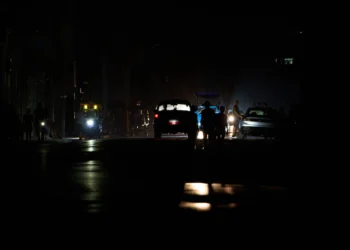
HAVANA, Cuba – Cuba experienced another nationwide power outage on Monday as dwindling fuel supplies and an aging electricity grid pushed the island deeper into an ongoing energy crisis affecting nearly 10 million people.
The state-run Electric Union announced the islandwide blackout on X, saying the cause was under investigation. Cuba’s Ministry of Energy and Mines said emergency protocols had been activated to restore electricity across the country.
Energy Minister Vicente de la O Levy said that localized electrical microsystems had already begun operating within hours of the outage to maintain essential services.

“Vital services continue to be protected, amidst this complex situation exacerbated by the energy blockade we face,” de la O Levy said.
Fuel Shortages Continue to Weigh on Economy
Cuba has faced worsening fuel shortages since January after U.S. President Donald Trump threatened tariffs on countries that sell or supply oil to the island, adding pressure to Cuba’s prolonged economic and financial difficulties.
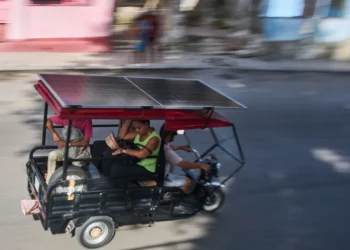
The shortage has disrupted transportation, healthcare and other public services.
Public transportation has been largely suspended, while officials have canceled tens of thousands of surgeries because of limited fuel and electricity supplies.
Cuba currently produces only about 40% of the fuel it requires. A shipment of approximately 730,000 barrels of oil delivered by a Russian tanker in late March was exhausted by the end of April, further tightening supplies.
■ Related News

To manage the shortage, authorities have imposed scheduled electricity rationing in many parts of the country, with some communities experiencing planned outages lasting more than 24 consecutive hours.
Government Blames U.S. Pressure
Cuban President Miguel Díaz-Canel blamed the United States for worsening the country’s fuel shortages.
He accused Washington of attempting to “incite social unrest by strangling Cuba’s fuel supply.”
“The actions of electrical workers in the midst of a genocidal energy blockade are heroic,” Díaz-Canel wrote on X.
The Cuban government frequently attributes the country’s economic and energy difficulties to longstanding U.S. sanctions, while critics also point to years of underinvestment and aging infrastructure as major contributors to the crisis.
Residents Face Daily Hardships
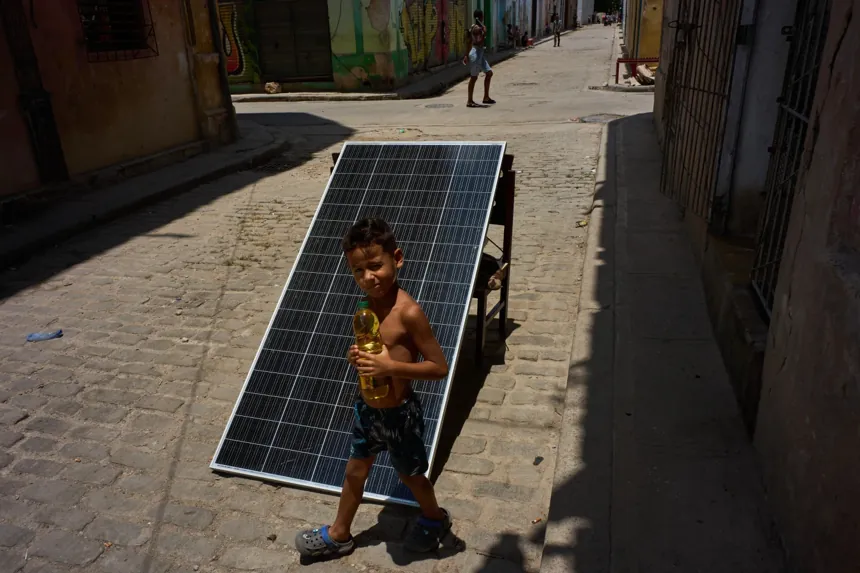
The latest blackout added to the challenges facing many Cuban households.
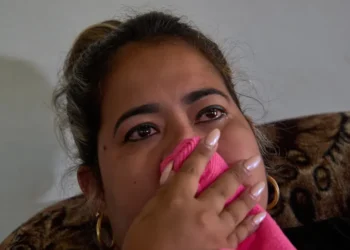
In Havana, residents expressed concern over basic necessities such as cooking food and accessing water.
“I just told my dad that we have to buy charcoal because otherwise we won’t eat and we’ll starve,” said 36-year-old Lina May.
Richard Valdés, 40, said the outage compounded existing shortages.
“We’re without power again,” he said. “Now we have no water, no gas, nothing until they restore it.”
Mario Pedroso, a 33-year-old resident of the capital, said many Cubans have become accustomed to repeated power failures.
“Oil hasn’t come in here for a while, and we have no way to solve the problem,” he said. “We have to resist, as we Cubans say. That’s all.”
Repeated Blackouts Reflect Grid Problems
Monday’s outage is the latest in a series of major power failures to affect the island this year.
A widespread blackout struck eastern Cuba in mid-May, while another nationwide outage occurred in mid-March.
The recurring disruptions have highlighted the fragile condition of Cuba’s aging electrical infrastructure, which has struggled to meet demand amid persistent fuel shortages and limited investment.
Authorities have not yet announced what caused Monday’s nationwide blackout or provided an estimate for when full electricity service will be restored.
This report is based on reporting by The Associated Press.
Topics: Cuba | Blackout | Energy Crisis | Electricity | Fuel Shortage | Havana | Infrastructure | World News