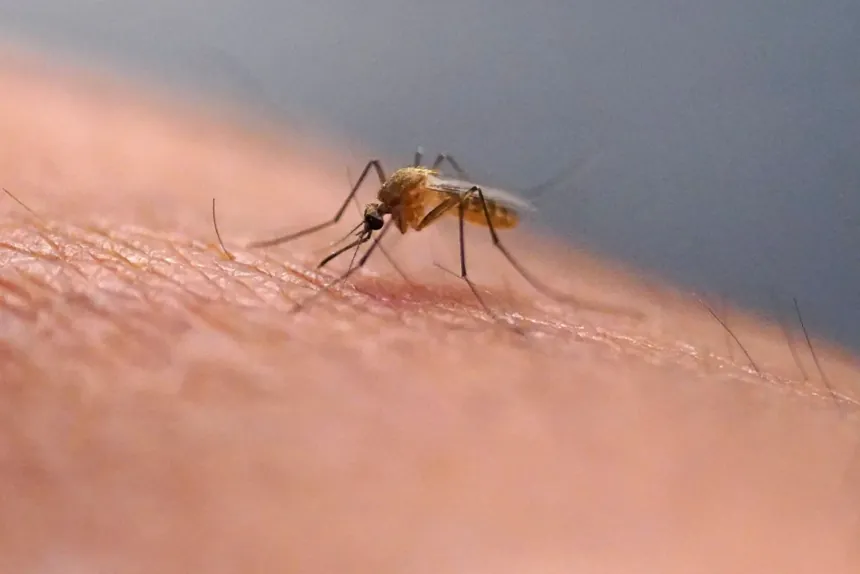
WASHINGTON – Many people instinctively scratch a mosquito bite, poison ivy rash, or other itchy skin irritation for immediate relief. However, new research helps explain why that momentary satisfaction often leads to increased swelling, prolonged itching, and greater inflammation.
Researchers studying allergic skin reactions have identified the biological processes that fuel the so-called “itch-scratch cycle,” providing new insight into why healthcare professionals have long advised people to resist scratching irritated skin whenever possible.
The findings also suggest that while scratching may have evolved to offer some protection against certain germs, its harmful effects generally outweigh any potential benefits.

Mouse Study Reveals How Scratching Intensifies Inflammation
Dr. Daniel Kaplan, a dermatologist at the University of Pittsburgh, led research examining allergic contact dermatitis, a common skin reaction triggered by irritants such as poison ivy or nickel found in jewelry.
Kaplan’s team applied a rash-inducing irritant to the ears of laboratory mice and observed how their immune systems responded. Mice that scratched experienced greater swelling as inflammatory immune cells accumulated at the affected site.
To determine whether scratching itself caused the increased inflammation, researchers repeated the experiment using protective collars similar to veterinary “cones of shame,” preventing the mice from scratching.
The results showed that mice unable to scratch developed significantly less swelling and fewer inflammatory immune cells, indicating that scratching directly worsened the skin reaction.
Kaplan said the findings mirror what many people experience after insect bites.
■ Related News




A mosquito bite that might normally stop itching within several minutes can remain irritated for days if repeatedly scratched, as the mechanical action continues to trigger inflammation.
Immune Cells Play a Dual Role
The research focused on mast cells, one of the immune system’s first lines of defense.
These cells release chemicals that help protect the body from harmful substances and invading microbes. They also produce histamine, a compound responsible for many allergic reactions and the sensation of itching.
While allergens are known to activate mast cells, Kaplan’s team found that scratching introduces another pathway.
As scratching becomes more vigorous, it activates pain-sensing nerve cells that release a chemical messenger known as substance P. Previous findings from the research group showed that substance P stimulates mast cells through a different biological pathway than allergens, amplifying the inflammatory response.
This dual activation helps explain why scratching often causes bug bites and rashes to become redder, itchier, and more swollen.
Why Scratching Feels Good
Although scratching can worsen skin irritation, it often provides immediate relief, raising questions about why such behavior has persisted throughout evolution.
Researchers note that many animals—including mammals and even fish—scratch, suggesting the behavior may serve an adaptive purpose.
One long-standing theory proposes that scratching helps remove parasites such as fleas or mites. Kaplan’s team also investigated whether scratching might improve the skin’s ability to fight bacteria.
In experiments involving mice infected with the common skin bacterium Staphylococcus aureus, animals that scratched had lower levels of the bacteria than those prevented from scratching.
Researchers said the additional inflammation or mast cell activity may have contributed to this reduction. However, Kaplan emphasized that the potential antimicrobial benefit does not outweigh the damage caused by repeated scratching.
He concluded that scratching remains harmful overall and should be avoided whenever possible.
Breaking the Itch-Scratch Cycle
Current treatments depend on the underlying cause of the itch, and researchers continue to search for more effective therapies.
For certain allergic reactions, antihistamines and other medications can reduce itch triggered by mast cells. Drug developers are also investigating experimental therapies known as MRGPRX2 blockers, which target the pathway linked to scratching-induced inflammation. Kaplan said improved understanding of this mechanism could eventually benefit patients with chronic skin conditions such as eczema.
For common summer irritations including mosquito bites, poison ivy, and mild contact dermatitis, dermatologists recommend over-the-counter anti-itch treatments such as hydrocortisone cream, calamine lotion, or oatmeal baths.
Kaplan also recommends menthol-containing creams, which temporarily create a cooling sensation that distracts the skin from itching long enough to help interrupt the itch-scratch cycle.
Tags: Bug Bites, Itching, Skin Health, Allergic Contact Dermatitis, Dermatology, Immune System, Mast Cells, Daniel Kaplan, University of Pittsburgh, Medical Research, Eczema, Mosquito Bites, Poison Ivy, Hydrocortisone Cream, Public Health