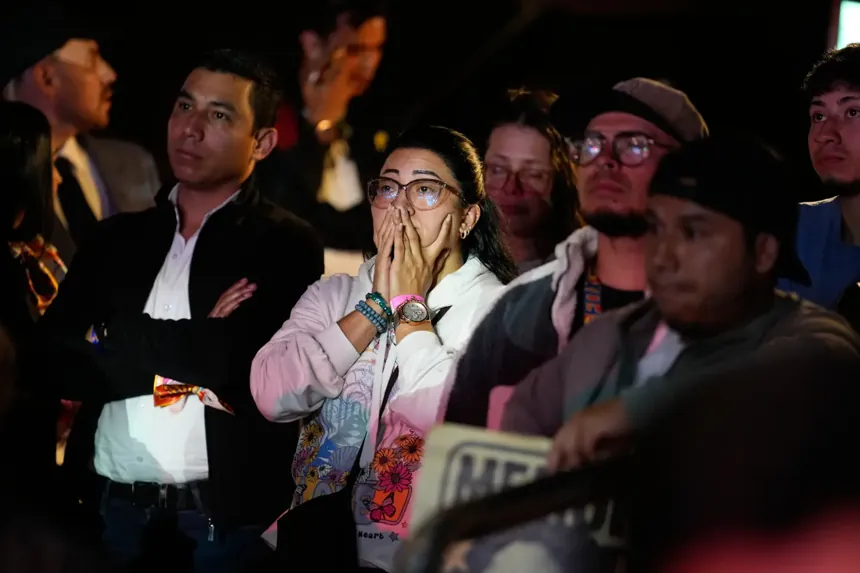
BOGOTÁ, Colombia — Conservative newcomer Abelardo de la Espriella has been declared the winner of Colombia’s presidential runoff election, securing a narrow victory that marks a significant shift in the country’s political landscape and ends the governing coalition’s hold on the presidency.
Electoral authorities on Wednesday officially confirmed de la Espriella’s victory after completing a recount of votes cast in Sunday’s election. The businessman and lawyer defeated progressive candidate Iván Cepeda by roughly one percentage point, a margin of more than 251,000 votes.
The outcome represents a setback for the political movement associated with outgoing President Gustavo Petro, whose administration pursued ambitious social reforms and sought negotiations with multiple armed groups as part of a broader peace strategy.

Recount Confirms Election Outcome
Election authorities released nearly complete vote totals shortly after polls closed on Sunday, showing de la Espriella in the lead.
Both Petro and Cepeda initially declined to accept the preliminary results, with Cepeda stating he would await the completion of a recount before recognizing the outcome.
Following the final review of ballots, electoral officials formally declared de la Espriella the winner of the contest. Cepeda later conceded defeat and acknowledged the result.
In a nationally televised address, the progressive lawmaker said he would serve as a democratic opposition figure and fulfill the responsibilities associated with the Senate seat reserved for the runner-up in Colombia’s presidential election.
“We assume with serenity, responsibility and absolute resolve — and let there be no doubt about it — the role that circumstances demand of us,” Cepeda said. “We will exercise a democratic, vigilant and constructive opposition.”




Outsider Campaign Resonated With Voters
De la Espriella, 47, enters office without prior experience in elected government, joining a growing number of political outsiders who have risen to power in countries facing economic, security and governance challenges.
Known as a lawyer and entrepreneur, he built a business portfolio that includes fashion, hospitality and beverage ventures before launching his presidential campaign.
Throughout the race, he positioned himself as an alternative to Colombia’s traditional political establishment and campaigned on promises to strengthen public security.
His proposals included adopting tougher anti-crime measures inspired by policies implemented by Salvadoran President Nayib Bukele. Supporters point to reductions in violence in El Salvador, while critics have raised concerns about civil liberties and human rights protections.
Focus Shifts to Transition of Power
De la Espriella is scheduled to take office on Aug. 7 for a four-year term.
In a statement released Wednesday, his campaign said the incoming administration would seek national unity and govern on behalf of all Colombians.
The statement also pledged respect for democratic institutions, political opposition and peaceful public demonstrations conducted within constitutional and legal frameworks.
A day earlier, the president-elect announced that work had begun on forming his cabinet and preparing the transition to government.
He also indicated that Colombia could join the so-called “Shield of the Americas,” an initiative promoted by U.S. President Donald Trump and described as a regional effort aimed at combating organized crime across Latin America.
Historic Voter Participation
More than 26 million Colombians cast ballots in the runoff election, setting a record for participation in a presidential second round.
The election also reflected voter frustration with the two main candidates. More than 426,000 voters selected an alternative ballot option that allows citizens to reject both contenders, while approximately 29,000 submitted blank ballots.
The high turnout underscored the importance of the contest and highlighted the deep divisions surrounding Colombia’s future direction on security, governance and economic policy.
As the transition begins, de la Espriella faces the challenge of translating campaign promises into policy while addressing persistent concerns over violence, economic pressures and political polarization.
Tags: Colombia, Abelardo de la Espriella, Iván Cepeda, Gustavo Petro, Colombian Election, Presidential Runoff, Latin America, Donald Trump, Nayib Bukele, Colombian Politics, Security Policy, Bogotá