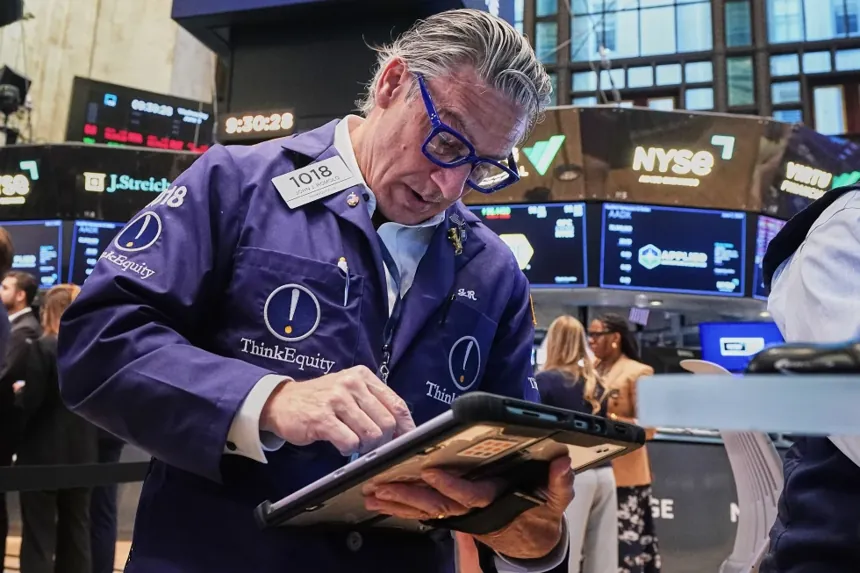
NEW YORK – Wall Street regained some stability on Monday as technology shares tied to the artificial intelligence sector recovered part of their recent losses, while oil prices retreated from overnight highs sparked by military exchanges between Israel and Iran.
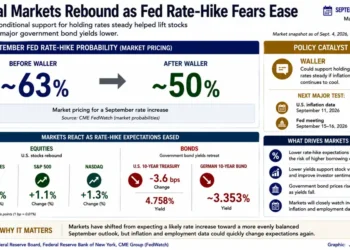
Market data showed the benchmark S&P 500 advanced 0.3%, recovering modestly after its sharp decline at the end of the previous week. The technology-heavy Nasdaq Composite outperformed with a gain of 0.9%, supported by renewed buying in semiconductor stocks. The Dow Jones Industrial Average, however, slipped slightly, ending the session lower by 80 points.
The recovery was driven largely by companies benefiting from the rapid expansion of artificial intelligence infrastructure. Chipmakers and memory manufacturers had come under pressure during the previous trading session amid concerns that investor enthusiasm had pushed valuations too far ahead of underlying fundamentals.

Among the strongest performers, Micron Technology rose 9.9%, reversing part of the steep decline it experienced on Friday. The stock’s rebound continued a broader rally that has seen its value more than triple during 2026 as demand for AI-related hardware remains strong.
Marvell Technology also posted substantial gains, climbing 9.6% after S&P Dow Jones Indices announced that the semiconductor company would be added to the widely followed S&P 500 index. The inclusion reflects the company’s rapid growth and increasing market capitalization during the AI-driven rally.
Investor attention has increasingly focused on whether the remarkable rise in AI-linked equities can be sustained. Semiconductor companies have reported significant growth in revenue and profits tied to artificial intelligence demand, but the pace of stock-price appreciation has fueled debate about whether parts of the sector have become overheated.
The discussion intensified after a widely followed semiconductor index gained nearly 85% during the year through last week. Market participants are now assessing whether the recent pullback represents the beginning of a broader correction or a temporary pause within a continuing bull market.
Michael Wilson, a strategist at Morgan Stanley, suggested in a client report that market volatility following an extended rally should not be unexpected. He described the recent decline as a potentially healthy correction that could help support longer-term gains if broader market momentum remains intact.


Outside the semiconductor sector, Corning advanced 5.6% after Amazon announced a multibillion-dollar agreement under which the company will supply optical fiber, cable and related products for data center projects across the United States. The deal highlights ongoing investment in infrastructure supporting cloud computing and artificial intelligence applications.
Not all corporate news was positive. Campbell’s shares fell 0.9% despite reporting quarterly profit results that exceeded expectations. Revenue declined more sharply than anticipated, weighing on investor sentiment. The company is also scheduled to leave the S&P 500 index as Marvell takes its place.
By the closing bell, the S&P 500 had risen 21.99 points to 7,405.73. The Nasdaq Composite added 220.23 points to 25,929.66, while the Dow Jones Industrial Average finished at 50,786.01.
Oil Markets React to Middle East Developments
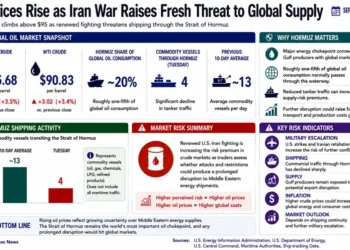
Energy markets remained sensitive to geopolitical developments in the Middle East. Oil prices surged overnight after Israel and Iran exchanged strikes, raising concerns about potential disruptions in a region critical to global energy supplies.
Brent crude, the international benchmark, briefly climbed above $98 per barrel before retreating as signs emerged that both sides were stepping back from further escalation. The contract ultimately settled at $94.25 per barrel, representing a gain of 1.2% from the previous session.
Elevated energy prices have contributed to inflationary pressures in recent months, increasing costs for consumers and businesses alike. Higher inflation expectations have also influenced bond markets, where rising yields can affect borrowing costs and broader economic activity.
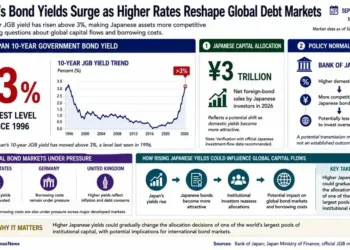
U.S. Treasury yields moved slightly higher Monday. The yield on the 10-year Treasury note edged up to 4.56% from 4.55%, extending recent increases that have drawn attention from investors monitoring the outlook for interest rates and economic growth.
Global Markets Mixed
Trading activity outside the United States reflected a more cautious tone.
Asian markets recorded notable declines, led by Japan’s Nikkei 225, which fell 3.8%. Stocks also declined in China, with benchmarks in Shanghai and Hong Kong ending lower. European markets posted more moderate losses as investors weighed geopolitical risks alongside concerns about technology-sector valuations.
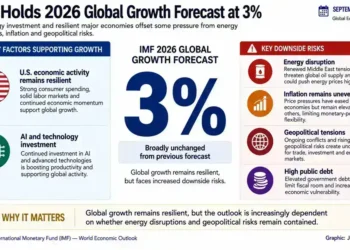
The session illustrated the competing forces currently shaping global markets: continued optimism surrounding artificial intelligence-driven growth and persistent uncertainty stemming from geopolitical tensions and inflation risks.