NEW YORK — A fresh wave of selling in artificial intelligence-related stocks pushed U.S. markets sharply lower Wednesday, extending a recent pullback that has erased weeks of gains and raised new questions about valuations across one of Wall Street’s hottest sectors.
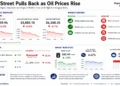
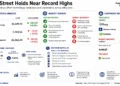
The benchmark S&P 500 fell 1.6%, marking its first consecutive losses in three weeks and leaving the index near levels last seen in early May. The Dow Jones Industrial Average dropped more than 950 points, while the Nasdaq Composite, heavily weighted toward technology companies, declined 2%.
The downturn added to growing volatility that has gripped AI-linked stocks after months of rapid gains fueled by investor enthusiasm surrounding artificial intelligence technologies.

Investors Reassess AI Valuations
Market participants have increasingly questioned whether some AI-focused companies have advanced too quickly, creating stock prices that may have outpaced business fundamentals.
The latest sell-off reflects concerns that investor expectations became overly optimistic as companies tied to artificial intelligence attracted substantial capital and reached record valuations.
Analysts and investors are now debating whether the recent decline represents a healthy correction after a prolonged rally or the beginning of a broader slowdown in the sector.
Super Micro Leads Declines
Among the market’s biggest movers, Super Micro Computer plunged 28% after announcing plans to raise approximately $7 billion through the sale of common stock and convertible preferred shares.
Such offerings can help companies secure capital for expansion and investment, but they also increase the number of shares outstanding, potentially diluting existing shareholders’ ownership stakes.


The announcement sparked concerns among investors already sensitive to valuation risks within the AI sector.
Nvidia and Broadcom Weigh on the Market
Several of Wall Street’s largest AI beneficiaries also recorded significant losses.
Nvidia, whose explosive growth has made it one of the world’s most valuable companies, fell 3.7% and was the single largest drag on the S&P 500.
Broadcom, another major player benefiting from artificial intelligence demand, declined 5.1%.
Meanwhile, Micron Technology continued a period of intense volatility. Shares swung between gains and losses throughout the session before ending down 4.7%. Despite recent turbulence, the memory-chip maker remains significantly higher for the year.
Investors Prepare for Major AI Listings
Some market observers believe capital is being redirected from existing technology stocks into anticipated public offerings involving major artificial intelligence and technology firms.
Investors are closely watching the expected stock market debut of SpaceX, which could become one of the most significant public offerings in recent years.
Large IPOs often draw substantial investor interest and can temporarily shift liquidity away from existing market leaders.
Rising Oil Prices Add Pressure
Technology stocks were not the only source of weakness.
Companies sensitive to fuel costs also came under pressure as oil prices moved higher following renewed geopolitical tensions involving Iran.
United Airlines fell 6.2%, while cruise operator Carnival dropped 6.3%.
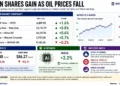
Brent crude oil rose 1.8% to $93.10 per barrel after comments from President Donald Trump regarding stalled negotiations with Iran. Ongoing disruptions affecting the Strait of Hormuz have continued to limit oil shipments from the Persian Gulf, contributing to elevated energy prices.
Inflation Data Meets Expectations
Investors also digested fresh inflation data showing consumer prices rose in May at the fastest annual pace in three years.
Despite the report, bond markets remained relatively stable because the figures largely matched economists’ forecasts.
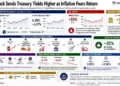
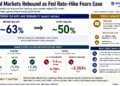
The yield on the benchmark 10-year Treasury note edged up slightly to 4.54%, while the two-year Treasury yield held steady at 4.13%.
The muted bond-market reaction suggested investors did not view the inflation report as significantly altering expectations for Federal Reserve policy.
Interest Rate Outlook Remains in Focus
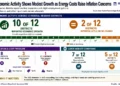
Financial markets continue to weigh the possibility that persistent inflation and a resilient labor market could prompt the Federal Reserve to raise interest rates later this year.
Higher borrowing costs can weigh on economic growth and typically create additional pressure on high-growth sectors such as technology, where valuations often depend heavily on future earnings expectations.
The debate over whether artificial intelligence stocks represent sustainable growth opportunities or an overheated market segment remains central to investor sentiment.
Global Markets Also Weaken
The cautious mood extended to overseas markets.
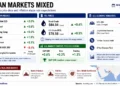
South Korea’s Kospi index dropped 4.5%, pressured by losses among major technology companies including Samsung Electronics and SK Hynix.
Japan’s Nikkei 225 declined 1.9% after data showed producer prices rose at the fastest pace in more than three years, adding to concerns about inflationary pressures.
SoftBank Group, which has significant exposure to artificial intelligence investments, fell 8.3% in Tokyo trading.
Market Outlook
Wednesday’s decline highlighted the growing sensitivity of global markets to developments in artificial intelligence, inflation and interest-rate expectations.
While enthusiasm surrounding AI remains strong, investors are increasingly demanding evidence that substantial investments in the technology will translate into sustainable earnings growth.
For now, heightened volatility appears likely to remain a defining feature of markets as investors balance long-term optimism about artificial intelligence against concerns about valuations, inflation and monetary policy.
Tags: Artificial Intelligence, Nvidia, Broadcom, Super Micro Computer, Wall Street, Nasdaq, S&P 500, Inflation, Federal Reserve, Oil Prices