European leaders are closely monitoring Belarus following Russia’s largest missile and drone assault of the year on Ukraine, amid growing fears that Minsk could become more deeply involved in Moscow’s military campaign.
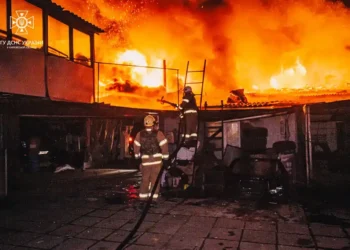
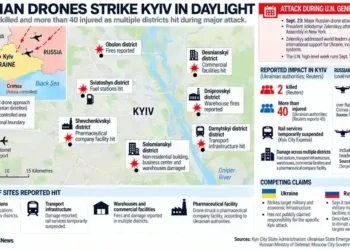
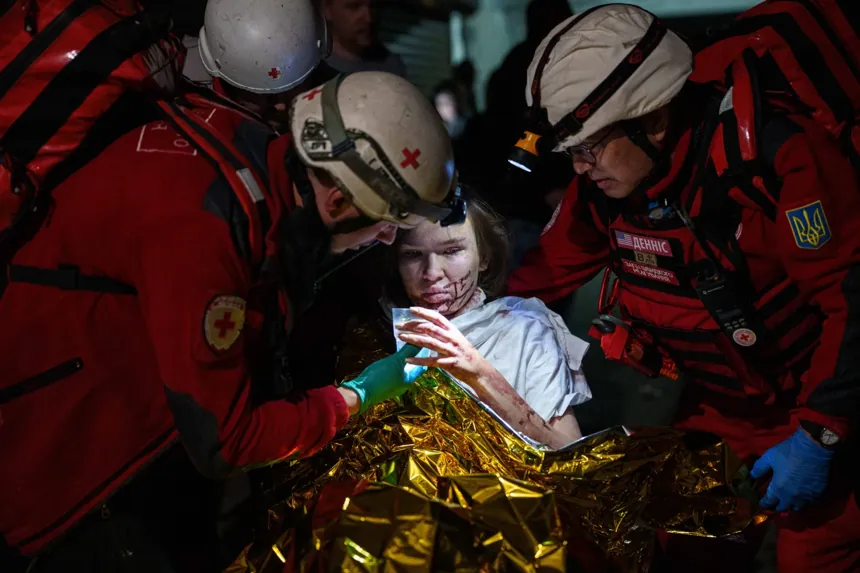
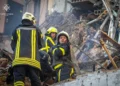
The overnight attack targeted Kyiv and other Ukrainian regions with around 90 missiles and hundreds of drones, including the reported use of Russia’s nuclear-capable Oreshnik hypersonic missile system. Ukrainian authorities said the strikes killed and injured civilians while damaging residential neighborhoods, schools, markets, and infrastructure.
The escalation has renewed international concern over Belarus’ strategic role in the war because Russian forces previously used Belarusian territory to launch the initial invasion of Ukraine in 2022. Western governments and Ukrainian officials are now watching closely for signs of expanded military cooperation between Moscow and Minsk.

European Leaders Warn Against Wider Escalation
French President Emmanuel Macron reportedly held a rare direct conversation with Belarusian leader Alexander Lukashenko, warning against allowing Belarus to become further entangled in Russia’s war against Ukraine.
According to officials close to the French presidency, Macron stressed the risks of deeper Belarusian involvement and urged Minsk to improve relations with Europe rather than intensify military cooperation with Moscow. The call marked the first publicly confirmed contact between the two leaders since the early stages of Russia’s invasion.
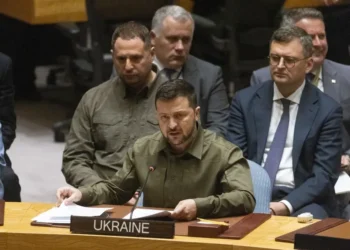
Ukrainian President Volodymyr Zelenskyy has repeatedly warned that Russia may attempt to use Belarusian territory again for future offensives or missile operations. Kyiv recently reinforced defenses along its northern border amid reports of increased military activity near Belarus.
Belarus Opposition Raises Alarm
Belarusian opposition leader Sviatlana Tsikhanouskaya visited Kyiv for the first time since the war began, signaling growing coordination between Belarusian democratic groups and Ukrainian authorities.
Tsikhanouskaya accused Lukashenko’s government of ignoring opportunities to rebuild ties with Europe and instead supporting increasingly aggressive policies aligned with the Kremlin. Analysts said her visit highlighted fears that Belarus could become even more militarily integrated with Russia as the conflict intensifies.

Belarus has remained one of Moscow’s closest allies throughout the war, hosting Russian troops, missile systems, and joint military exercises. Russia has also conducted nuclear drills with Belarusian forces in recent weeks, increasing concern among NATO members bordering the country.
Oreshnik Missile Use Raises International Concern
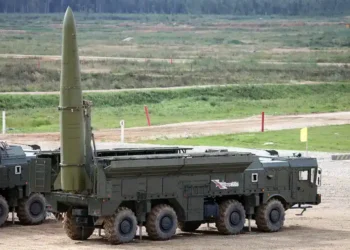
The latest Russian assault drew additional scrutiny because of the reported deployment of the Oreshnik intermediate-range ballistic missile, a hypersonic weapon capable of carrying nuclear warheads.
Ukraine said the missile struck the Kyiv region during one of the largest aerial attacks since the conflict began. European officials condemned the strike as a dangerous escalation and warned that the use of advanced strategic weapons risked further destabilizing regional security.
Military analysts noted that Russia has increasingly showcased nuclear-capable systems during exercises involving Belarus. Moscow previously announced plans to deploy Oreshnik systems and tactical nuclear assets closer to NATO’s eastern flank.
NATO Watches Eastern Flank Closely
The renewed focus on Belarus comes as NATO governments assess whether the latest escalation signals preparation for broader regional military operations.
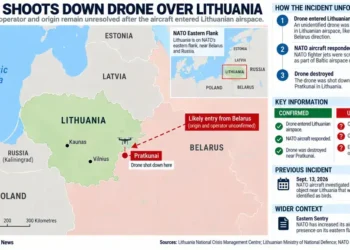
Security experts said Belarus’ geographic position makes it strategically significant because it borders Ukraine, Poland, Lithuania, and Latvia. Any expansion of Russian military activity from Belarusian territory could heighten tensions across Eastern Europe and force NATO to strengthen deployments near its eastern frontier.
Despite those concerns, Lukashenko recently insisted Belarus would not directly enter the war unless attacked, while reaffirming military cooperation with Russia under joint defense agreements.
Diplomatic observers cautioned that the situation remains highly volatile, particularly as peace efforts between Moscow and Kyiv remain stalled and cross-border military activity continues to intensify.