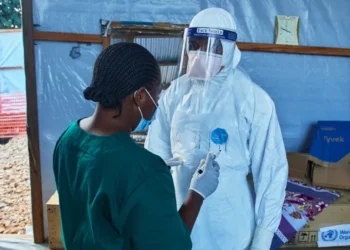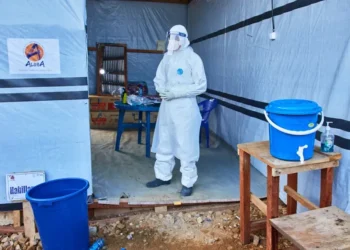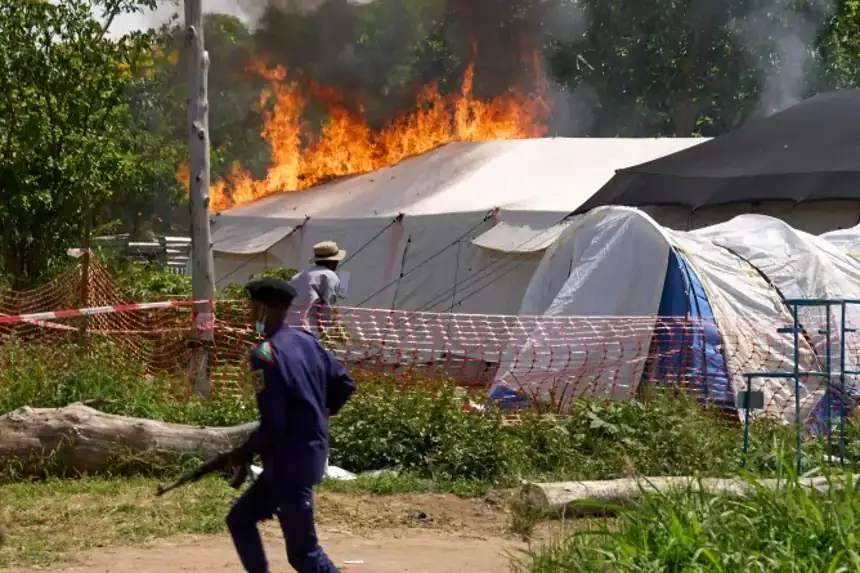
BUNIA, Democratic Republic of Congo — Residents in eastern Congo set fire to an Ebola treatment center as anger and mistrust surrounding the country’s worsening outbreak escalated, exposing the growing challenges facing health officials trying to contain one of the region’s most serious public health emergencies in years.
The attack occurred in the town of Rwampara in Ituri province after local residents clashed with authorities over the handling of a man suspected of dying from Ebola. According to police officials and witnesses, tensions erupted when health authorities blocked relatives and local youths from retrieving the body for a traditional burial ceremony, triggering protests that later turned violent.
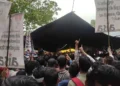
During the unrest, demonstrators torched treatment tents operated by medical charity ALIMA, destroying parts of the Ebola response site and forcing health workers to relocate patients for safety. Officials said warning shots and tear gas were used to disperse crowds as authorities attempted to secure the area.

Public Anger Complicates Ebola Response
The violence underscores longstanding distrust toward health authorities in parts of eastern Congo, where previous Ebola outbreaks have often been accompanied by misinformation, fear, and resistance to containment measures. Strict burial protocols designed to prevent transmission frequently conflict with local customs involving family-led funeral rites.
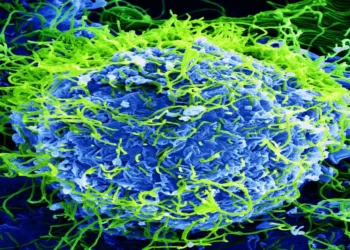
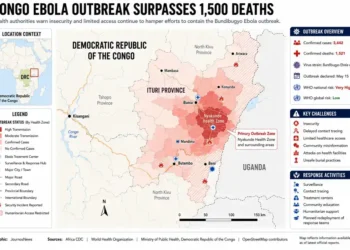
Health officials say the current outbreak involves the rare Bundibugyo strain of Ebola, for which there is no approved vaccine or targeted treatment. The World Health Organization has designated the outbreak a public health emergency of international concern as cases continue to spread across multiple provinces.
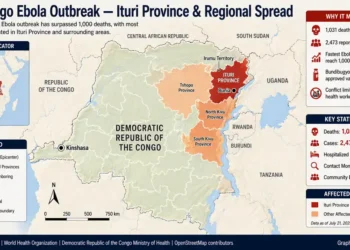
Authorities in Congo and neighboring countries have increased health screenings and surveillance efforts amid fears of wider regional transmission. Uganda has already confirmed related cases linked to cross-border movement, while international agencies warn the outbreak could expand further if containment measures fail.
Humanitarian and Security Challenges Grow
The outbreak is unfolding in a region already destabilized by armed violence, weak infrastructure, and displacement caused by militant activity. Aid organizations say insecurity and poor transport networks have severely limited efforts to trace infections and deliver medical supplies.
According to international health agencies, more than 600 suspected cases and over 130 suspected deaths have been recorded across Ituri and neighboring provinces, though experts believe the true figures may be significantly higher due to underreporting and delayed diagnoses.
■ Related News


Medical responders have also warned of shortages of protective equipment, medicine, transportation, and trained personnel. Several humanitarian groups said recent international aid reductions have weakened outbreak preparedness systems across central Africa.
International Concern Intensifies
The escalating outbreak has prompted broader international concern over regional health security, particularly because the Bundibugyo strain remains poorly understood compared with other Ebola variants. WHO officials and African public health agencies have urged governments to strengthen border monitoring and community engagement efforts.
Analysts say the unrest in Rwampara demonstrates how mistrust between communities and authorities can rapidly undermine epidemic containment efforts, especially in conflict-affected areas where state institutions remain fragile.