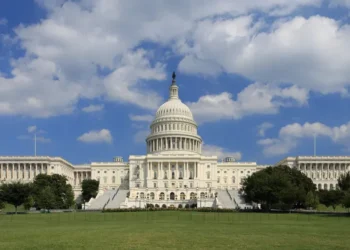
The U.S. Senate moved forward with legislation designed to limit presidential military action against Iran after Republican Sen. Bill Cassidy reversed his position and backed the measure following his recent primary defeat, intensifying debate over congressional war powers and executive authority.
According to The Associated Press, the procedural advance marked a significant moment in the long-running dispute between Congress and the White House over military engagement authority in the Middle East. The proposal seeks to require explicit congressional approval for sustained military action involving Iran, except in cases of direct national emergency.
The development comes amid heightened scrutiny of executive military powers as lawmakers from both parties question the scope of unilateral presidential authority during escalating regional tensions. Cassidy’s shift provided additional momentum for supporters attempting to reassert legislative oversight on national security decisions.

The legislation also reflects broader institutional concerns inside Congress over balancing national defense flexibility with constitutional checks on presidential war-making authority.
Legislative Clash Intensifies
Supporters of the bill argued that Congress must play a more direct role in authorizing military operations that could draw the United States into a wider regional conflict. Several lawmakers backing the measure said recent instability in the Middle East increased the urgency for clearer constitutional boundaries regarding military engagement.
Republican and Democratic senators supporting the proposal framed the legislation as an institutional safeguard rather than a partisan rebuke of presidential authority. The measure invokes Congress’ constitutional responsibility to declare war while preserving emergency defensive powers for the executive branch.
Opponents of the bill warned that limiting presidential flexibility during volatile security situations could complicate rapid military responses and weaken deterrence against hostile actors. Some lawmakers aligned with the administration argued the commander in chief requires operational discretion during emerging international crises.
Executive Power Faces Renewed Scrutiny
Cassidy’s decision to support the measure drew attention because it came shortly after his primary election loss, altering the political calculations surrounding the legislation. His reversal narrowed partisan resistance and signaled growing discomfort among some Republicans over expansive executive military authority.
■ Related News




The vote also highlighted increasing congressional willingness to revisit war powers questions that have remained contested since earlier U.S. military operations in the Middle East. Lawmakers backing the proposal emphasized that prolonged military commitments should require direct legislative approval regardless of the administration in power.
The Senate action does not guarantee final passage, but advancing the bill increases pressure on congressional leaders and the White House to address continuing disputes over constitutional authority in foreign conflict decisions.
Oversight Debate Expands
The procedural progress of the legislation underscores broader institutional tensions between Congress and the executive branch over foreign policy oversight. War powers debates have intensified periodically during administrations of both parties, particularly during conflicts involving counterterrorism operations and regional military deployments.
Analysts said the Senate vote could influence future congressional efforts to impose clearer limits on unilateral military action beyond the Iran issue. The measure may also shape ongoing discussions surrounding accountability, authorization standards, and the balance of power between elected branches during international security crises.