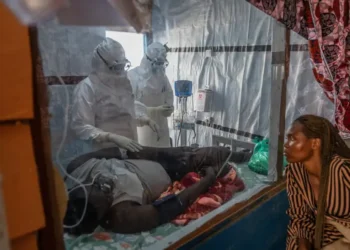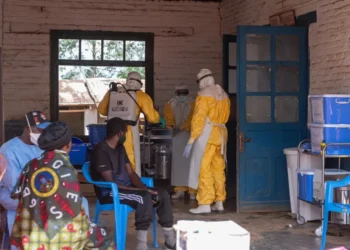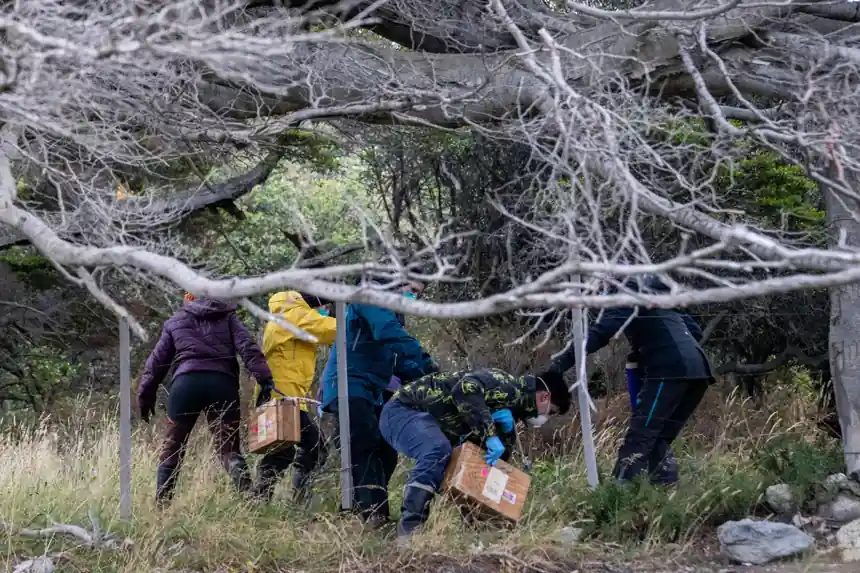
Argentine health investigators are trapping rodents in the forests surrounding the southern city of Ushuaia as authorities attempt to identify the origin of a deadly hantavirus outbreak linked to an international cruise ship voyage that has triggered global health monitoring efforts.
The field operation marks a significant escalation in Argentina’s investigation into the outbreak aboard the Dutch expedition cruise ship MV Hondius, where at least three people died and several others became ill after departing from Ushuaia in April. Health officials are now examining whether the virus may have emerged in a region previously thought to be outside the known range of the Andes hantavirus strain.
Scientists Expand Search in Southern Patagonia
Teams from Argentina’s Malbrán Institute, the country’s leading infectious disease research center, deployed more than 150 rodent traps around Ushuaia this week as part of efforts to determine whether local rodent populations are carrying hantavirus.

Researchers wearing protective equipment collected dead rodents for laboratory testing, with officials warning that results could take several weeks. According to international reports, the investigation is focused on identifying whether a previously undocumented local rodent population may be transmitting the virus in Tierra del Fuego province.
Hantavirus is primarily spread through exposure to infected rodent urine, droppings, or saliva. The Andes strain circulating in parts of South America is unusual because it can also spread between humans through prolonged close contact.
Cruise Ship Outbreak Drew International Attention
The outbreak aboard the MV Hondius triggered an international health response after passengers from multiple countries developed severe respiratory illness during the vessel’s Atlantic expedition voyage.
According to the World Health Organization, the cruise carried passengers and crew from more than 20 countries. Several suspected and confirmed infections were later identified following the ship’s departure from Argentina in early April.
Health authorities confirmed that a Dutch couple and a German passenger were among those who died during the outbreak. International monitoring efforts have since tracked dozens of potential contacts across several countries as officials sought to contain any further spread.
■ Related News



Local Officials Reject Origin Claims
Provincial authorities in Tierra del Fuego have strongly disputed suggestions that Ushuaia was the source of the outbreak, warning that speculation could damage the region’s tourism industry, which heavily depends on Antarctic cruise operations.
Local epidemiology officials argued that no confirmed evidence currently links the city directly to the infections. Some experts have also questioned whether the infected passengers may have been exposed elsewhere during earlier travel across Argentina or Chile before boarding the ship.
Nevertheless, the discovery effort has intensified concerns among scientists about whether climate change, ecological shifts, and expanding rodent habitats could allow hantavirus to spread into colder southern regions previously considered low risk.
Global Health Monitoring Continues
The World Health Organization has emphasized that the outbreak does not currently represent a pandemic-level threat, noting that Andes hantavirus transmission remains relatively limited compared with airborne viruses such as COVID-19.
However, public health experts said the outbreak has exposed vulnerabilities in international disease surveillance systems and highlighted the challenges of managing infectious disease outbreaks aboard cruise ships operating across multiple jurisdictions.
Officials in Argentina and abroad continue monitoring passengers and close contacts while awaiting laboratory results from the Ushuaia rodent investigation.