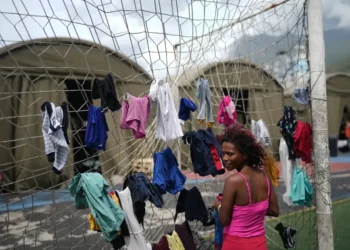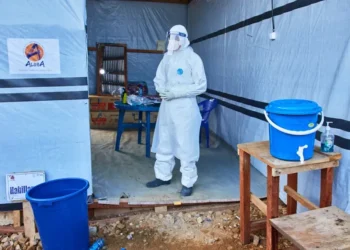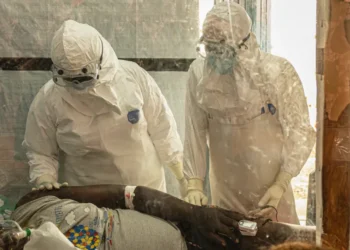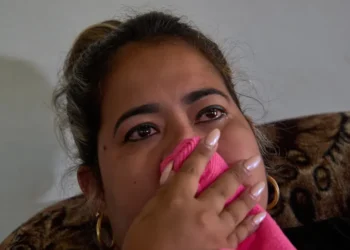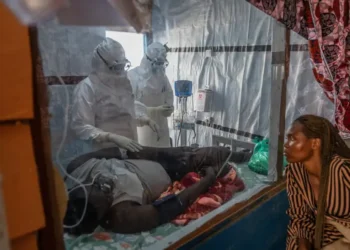
The Democratic Republic of Congo is opening additional treatment centers in its eastern provinces as authorities struggle to contain a fast-growing outbreak of the rare Bundibugyo strain of Ebola that has killed nearly 120 people and raised international alarm. (AP News)
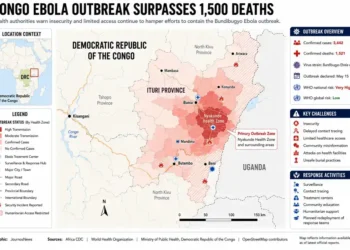
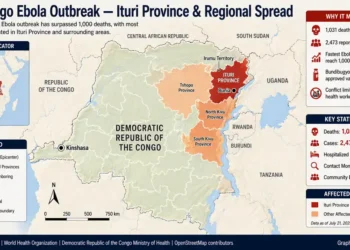
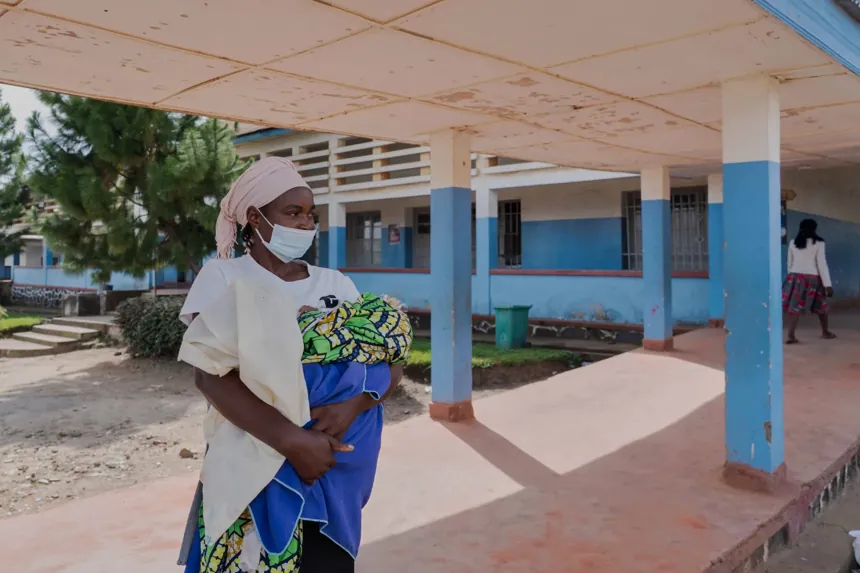
Congolese health officials said three new Ebola treatment facilities would begin operating in Ituri province, where most suspected infections have been reported. The World Health Organization has also deployed emergency teams and medical supplies to the region as the outbreak spreads across eastern Congo and into neighboring Uganda.
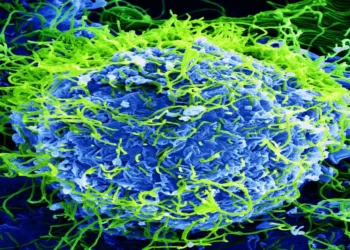
The outbreak involves the Bundibugyo virus, a rare species of Ebola first identified in Uganda in 2007. Unlike the more common Zaire strain, the Bundibugyo variant has no approved vaccine or targeted treatment, complicating efforts to contain transmission.

International Health Emergency Intensifies
The World Health Organization recently declared the outbreak a public health emergency of international concern after infections were confirmed in both Congo and Uganda. Health officials say the declaration is intended to mobilize international funding, medical support, and cross-border surveillance.
According to international health agencies, Congo has reported more than 300 suspected cases concentrated largely in Ituri province, while Uganda has confirmed imported infections tied to travelers from Congo. Officials warned that ongoing conflict, mass displacement, and poor infrastructure in eastern Congo are complicating containment efforts.
The city of Goma, eastern Congo’s largest urban center, has also recorded a confirmed Ebola case, heightening concerns about wider regional spread because of its strategic transport links and dense population.
Healthcare Systems Under Pressure
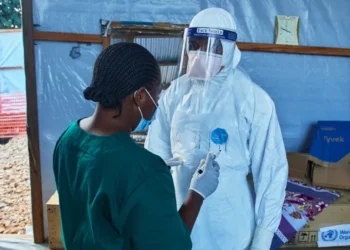
Medical workers are relying primarily on isolation, contact tracing, safe burial procedures, and supportive care because no approved therapeutics exist for the Bundibugyo strain. Health experts said rapid identification of cases remains critical to preventing broader transmission.
Authorities acknowledged that the outbreak may have circulated undetected for weeks before officials identified the virus, partly because initial testing focused on the more common Zaire Ebola strain. Investigators believe the first infections emerged in late April among healthcare workers in the northeastern city of Bunia.
■ Related News
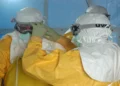


The outbreak has also affected international medical personnel. U.S. authorities confirmed that an American doctor working in Congo tested positive for Ebola Bundibugyo disease and was being transferred to Germany for treatment alongside several high-risk contacts.
Global Response Faces Funding Challenges
Public health experts warn that international response efforts are being complicated by declining donor funding for health programs across Africa. Aid organizations and regional health agencies have increasingly called for stronger “health sovereignty” strategies to reduce dependence on foreign emergency assistance.
The Africa Centres for Disease Control and Prevention said the outbreak poses a high risk of regional spread because of cross-border movement linked to mining activity, insecurity, and weak healthcare systems in affected areas.
Despite the dangers, Congolese officials emphasized that the country has extensive experience battling Ebola outbreaks. Congo has recorded at least 17 Ebola outbreaks since the virus was first identified near the Ebola River in 1976.
Health authorities continue expanding surveillance operations while neighboring countries strengthen border screening and emergency preparedness measures amid fears that the outbreak could spread further across Central and East Africa.