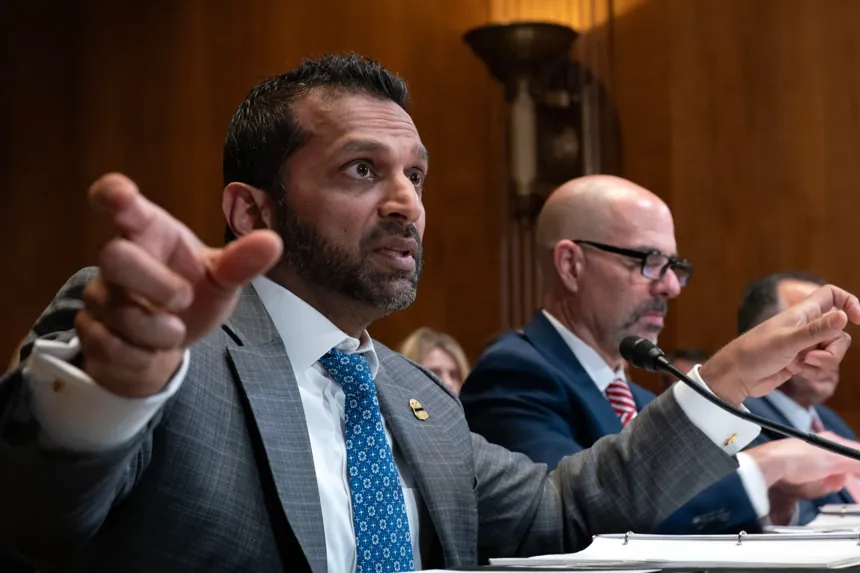
WASHINGTON — FBI Director Kash Patel is facing renewed scrutiny after newly disclosed emails revealed that his 2025 Hawaii trip included a “VIP snorkel” excursion at the USS Arizona Memorial in Pearl Harbor, adding to broader questions surrounding transparency and official conduct within federal law enforcement leadership.
According to The Associated Press, military officials coordinated the snorkeling activity during Patel’s visit to Hawaii, though the excursion was not included in public FBI descriptions of the trip, which focused on agency operations and meetings with law enforcement personnel. The disclosure has intensified debate over disclosure standards and accountability for senior executive branch officials.
The controversy arrives as congressional oversight of federal travel, ethics compliance, and government spending continues to expand ahead of the 2026 election cycle. While no formal investigation has been announced, the episode is expected to draw additional attention from lawmakers monitoring executive branch transparency practices.

Oversight Scrutiny Expands
Emails obtained through public records requests described arrangements for a “VIP snorkel” at the USS Arizona Memorial, one of the nation’s most historically significant military memorials. According to AP reporting, the outing occurred during Patel’s broader travel connected to FBI and national security engagements.
The FBI publicly highlighted parts of Patel’s Hawaii trip tied to agency operations but did not disclose the snorkeling excursion. Officials have not publicly explained why the activity was omitted from prior descriptions of the visit.
The U.S. Navy confirmed the event took place and stated that special access for senior government officials is not uncommon. However, records reviewed by AP reportedly found no known example of a previous FBI director participating in a similar excursion at the memorial site.
Institutional Accountability Questions Grow
The episode has shifted attention toward broader standards governing executive branch travel disclosures and the use of government resources by senior federal officials.
Former ethics officials and government accountability advocates questioned whether the trip blurred distinctions between official responsibilities and discretionary activities. Critics also argued that incomplete disclosure of activities connected to official travel can undermine public confidence in institutional transparency.
■ Related News



The National Park Service said it was not directly involved in Patel’s snorkeling activity, while federal agencies involved in coordinating the visit have provided limited public detail regarding planning and authorization procedures.
Leadership Conduct Faces Renewed Attention
The controversy adds to ongoing political scrutiny surrounding leadership standards within federal law enforcement agencies. Congressional committees in recent years have increased oversight of executive branch ethics compliance, travel spending, and disclosure practices involving senior officials.
Although Patel’s supporters have described the broader Hawaii visit as part of legitimate national security and interagency coordination efforts, the disclosure of the memorial excursion is likely to intensify calls for clearer transparency standards governing high-ranking federal officials.
The incident also highlights how oversight disputes increasingly shape political pressure surrounding agency leadership, particularly as lawmakers continue examining accountability mechanisms across the executive branch.