The conviction of a British border official and a former Hong Kong police officer for assisting Chinese intelligence operations in Britain has intensified concerns across Europe over Beijing’s alleged use of transnational surveillance and intimidation tactics against dissidents living overseas.
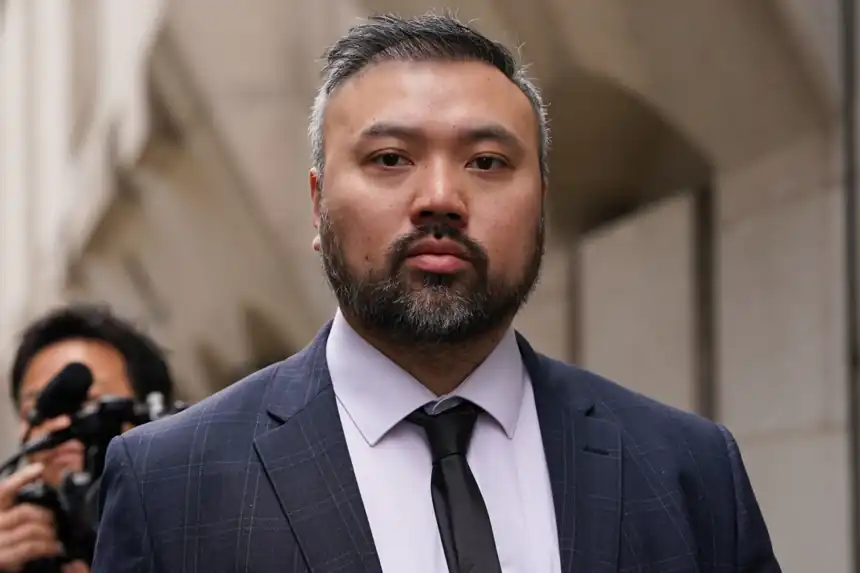
A London court found Peter Wai, a U.K. Border Force officer, and Chung Biu “Bill” Yuen, a former Hong Kong police superintendent working at Hong Kong’s London trade office, guilty of assisting a foreign intelligence service under Britain’s National Security Act. Prosecutors said the pair conducted what they described as “shadow policing” operations targeting Hong Kong pro-democracy activists and critics of Beijing residing in the United Kingdom.
The case marks one of the most significant Chinese espionage-related convictions in modern British legal history and comes amid growing Western alarm over alleged foreign interference activities linked to China and Hong Kong authorities. British officials said the operations represented a direct infringement on U.K. sovereignty and national security.

According to reporting from The Associated Press and Reuters, Wai used access to British government databases while working for Border Force and as a volunteer City of London police officer to gather information on activists, lawmakers and dissidents. Prosecutors said Yuen coordinated surveillance activities through Hong Kong’s Economic and Trade Office in London.
European Governments Expand Focus on Foreign Interference
The convictions are expected to strengthen broader European efforts to counter alleged foreign intimidation campaigns directed at diaspora communities and political activists.
British prosecutors said the two men monitored prominent Hong Kong democracy activist Nathan Law and Conservative lawmaker Iain Duncan Smith, among others considered critical of Beijing’s policies in Hong Kong. Messages presented during the trial reportedly showed the targets being referred to as “cockroaches,” language prosecutors said reflected the hostile nature of the operation.
The investigation widened after British counterterror police disrupted an attempted break-in at the home of Hong Kong émigré Monica Kwong in northern England in 2024. Authorities later connected the incident to a broader surveillance network involving former Hong Kong police officers and individuals linked to the London trade office.
Security experts say the case reflects a wider trend in which Western governments increasingly accuse authoritarian states of extending domestic political repression beyond their borders through intimidation, surveillance and covert operations against dissident communities abroad.




Hong Kong Crackdown Continues to Shape International Relations
The case also underscores how political tensions surrounding Hong Kong continue affecting diplomatic relations between China and Western governments years after Beijing imposed a sweeping national security law on the territory.
Since the 2019 pro-democracy protests, thousands of Hong Kong residents have relocated to Britain under special immigration pathways created by London for holders of British National (Overseas) status. British authorities have repeatedly expressed concern that some activists and exiled figures remain vulnerable to monitoring and pressure campaigns overseas.
The British Foreign Office summoned Chinese Ambassador Zheng Zeguang following the verdicts, while Security Minister Dan Jarvis said Britain would continue challenging foreign interference activities that threaten public safety and democratic freedoms.
Hong Kong authorities denied involvement in the spying operation and rejected what they described as unfounded accusations against the city’s London trade office.
The convictions arrive amid broader international scrutiny of Hong Kong’s political climate following the imprisonment of pro-democracy figures including media entrepreneur Jimmy Lai under the territory’s national security legislation. Human rights groups and Western governments have argued that the law has sharply curtailed political freedoms and press independence in the former British colony.
Strategic Security Debate Expands Across Western Allies
Analysts say the British case is likely to reinforce intelligence cooperation among Western allies concerned about foreign influence operations targeting diaspora populations, political institutions and critical infrastructure.
European and North American security agencies have increasingly warned that modern espionage campaigns often combine traditional intelligence gathering with cyber operations, community surveillance and transnational repression tactics. The U.K. case highlighted vulnerabilities inside government institutions, particularly when individuals with security clearances or official access become involved in covert foreign operations.
The verdicts may also increase pressure on Britain and allied governments to reassess the role and oversight of foreign diplomatic and trade offices suspected of facilitating intelligence activities under official cover.
With sentencing still pending, the case is expected to remain a major reference point in Europe’s evolving debate over balancing economic engagement with China against mounting national security concerns and the protection of political exiles living abroad.