European intelligence officials are warning that Russia has significantly increased attempts to assassinate Kremlin opponents, defectors and pro-Ukraine figures across Europe, raising concerns over a widening campaign of covert operations linked to Moscow’s broader confrontation with the West.
According to reporting from The Associated Press citing three Western intelligence officials from different countries, Russian-linked assassination plots and targeted attacks have accelerated since President Vladimir Putin launched the full-scale invasion of Ukraine in 2022. Security officials say the operations are part of a broader strategy aimed at intimidating critics, destabilizing European governments and signaling Moscow’s reach beyond the battlefield.
The warnings come amid growing European anxiety over Russian hybrid warfare tactics, including sabotage, cyberattacks and covert influence operations targeting countries that support Ukraine militarily and financially. Intelligence services across Europe have increasingly linked these activities to Russian military intelligence structures and proxy networks operating across NATO member states.

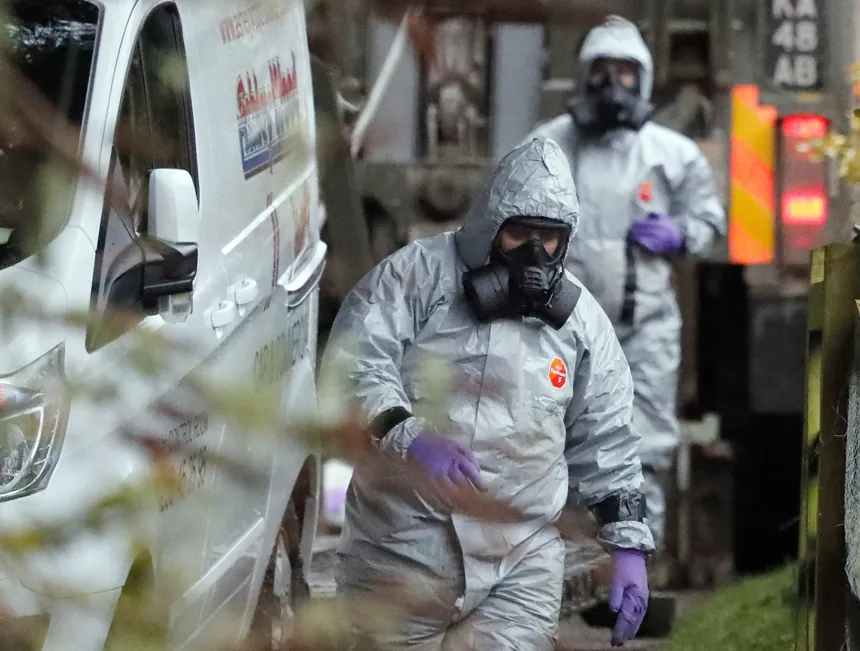
Among the incidents highlighted by AP were alleged Russian plots involving dissidents living in France, Germany and Spain, including the killing of Russian helicopter pilot Maksim Kuzminov after he defected to Ukraine. Officials also cited previous high-profile attacks such as the 2018 poisoning of former Russian spy Sergei Skripal in the United Kingdom.
European Governments Expand Counterintelligence Measures
The reported escalation has prompted European security agencies to intensify surveillance, counterintelligence cooperation and protective measures for individuals considered likely Russian targets.
Western officials told AP that Russia increasingly relies on intermediaries and criminal networks rather than traditional intelligence officers, partly because hundreds of suspected Russian operatives were expelled from Europe following the Skripal poisoning and the Ukraine war. Analysts say the use of proxies makes attribution more difficult while allowing Moscow greater plausible deniability.
Poland’s internal security agency recently warned that Russian operations were evolving from loosely organized sabotage efforts into more professionalized covert networks involving recruits with military or law-enforcement backgrounds. AP reported that more than 150 sabotage-related incidents across Europe have been linked by Western officials to Moscow since the start of the Ukraine conflict.
European intelligence agencies also fear that persistent low-level attacks are intended to overwhelm security services and create a broader atmosphere of insecurity inside countries supporting Ukraine. Experts interviewed by international media said the strategy reflects a shift toward sustained pressure campaigns rather than isolated operations.


Strategic Tensions Deepen Between Russia and Europe
The allegations further deepen already strained relations between Russia and European governments, many of which have expanded sanctions, military aid and intelligence coordination since the war in Ukraine began.
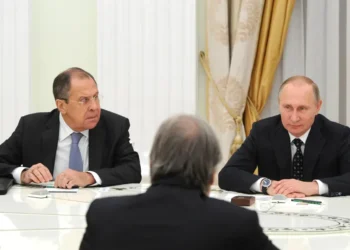
Kremlin officials have repeatedly denied involvement in overseas assassination plots and accused Western governments of promoting anti-Russian narratives. Kremlin spokesman Dmitry Peskov recently dismissed claims of heightened internal instability and rejected reports suggesting Russian authorities were concerned about retaliation or coup threats ahead of Victory Day commemorations in Moscow.
At the same time, security concerns inside Russia appear to be increasing. Reuters and other outlets reported that Russian authorities have tightened security around senior military and political officials after several attacks and attempted assassinations inside Russia itself in recent months.
Analysts say the intensifying covert conflict reflects how the war in Ukraine has transformed Europe’s security environment into a broader confrontation involving espionage, cyberwarfare and transnational repression.
International Security Concerns Extend Beyond Ukraine Conflict
European officials increasingly view the alleged assassination campaign as part of a long-term Russian strategy aimed at weakening Western cohesion and discouraging support for Ukraine.
Research cited by intelligence officials suggests many operations now combine state intelligence methods with organized crime structures, encrypted communications and decentralized proxy recruitment systems. These tactics have complicated law-enforcement investigations and increased pressure on European counterterrorism agencies.
Security experts say the current environment differs from earlier Cold War-era espionage confrontations because modern hybrid operations often blend political intimidation, sabotage and disinformation across multiple countries simultaneously.
With European governments preparing for the possibility of continued covert attacks, intelligence cooperation between NATO members and EU security agencies is expected to remain a central pillar of Western strategy toward Russia in the coming years.