A federal trial underway in New York has intensified international attention on allegations that China operated an undeclared overseas police outpost in Manhattan, as prosecutors and defense lawyers present sharply conflicting accounts of the facility’s purpose and activities.
US authorities allege that the Chinatown office operated as part of a broader effort by Beijing to monitor and pressure Chinese dissidents living abroad, while defense attorneys argue the site primarily functioned as a community center offering social gatherings and administrative assistance to members of the Chinese diaspora.
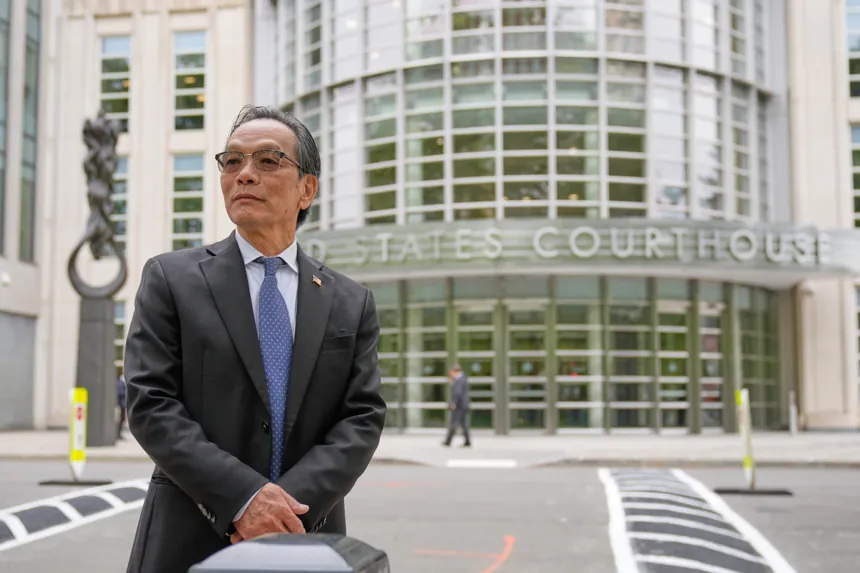
The case centers on Lu Jianwang, also known as Harry Lu, who went on trial in Brooklyn federal court this week on charges that include acting as an unregistered foreign agent and obstructing justice. Prosecutors say he helped establish a “Fuzhou Police Overseas Service Station” in Manhattan on behalf of Chinese authorities.

According to reporting from The Associated Press, prosecutors told jurors the site was designed to “silence, harass and intimidate” pro-democracy activists living in the United States.
International Concerns Grow Over Alleged Overseas Policing
The trial has renewed debate among Western governments over what security officials describe as “transnational repression” — efforts by authoritarian states to monitor, pressure or intimidate dissidents outside their national borders.
US prosecutors allege the Manhattan operation was linked to China’s Ministry of Public Security and formed part of a wider network of overseas outposts established globally. Federal attorneys told jurors that Lu attended a ceremony in China in 2022 where officials announced plans for dozens of such stations worldwide.
Beijing has repeatedly denied accusations that such facilities function as covert police stations, insisting that overseas service centers merely assist Chinese nationals with administrative matters such as license renewals and documentation support.
Defense attorney John Carman argued in court that the Manhattan office was effectively a community hub where residents gathered to play ping-pong and mahjong while helping Chinese immigrants navigate pandemic-era travel restrictions.
■ Related News



Diplomatic and Security Stakes Continue to Rise
The case arrives amid broader tensions between Washington and Beijing over espionage allegations, cyber operations, foreign influence activities and national security competition. Analysts say the proceedings could further complicate already strained US-China relations.
Federal investigators allege that Lu deleted communications with a Chinese government contact after the FBI searched the office in 2022. Prosecutors say the operation violated the US Foreign Agents Registration Act, which requires individuals working on behalf of foreign governments to notify American authorities.
A co-defendant, Chen Jinping, previously pleaded guilty to conspiracy charges connected to acting as an unregistered foreign agent, according to court records cited by AP.
The trial has also drawn attention because members of New York’s Chinese American community have publicly rallied in support of Lu, arguing the prosecution risks unfairly targeting immigrant community organizations. Defense lawyers maintain the government is exaggerating ordinary cultural and civic activities into a geopolitical espionage case.
Strategic Competition Extends Beyond Traditional Espionage
Western intelligence and law enforcement agencies have increasingly warned about foreign governments attempting to influence diaspora communities through informal networks, community groups and pressure campaigns targeting activists abroad.
Recent US prosecutions involving Chinese dissidents and alleged espionage activities have reinforced concerns among American officials about the global reach of Beijing’s security apparatus. In separate cases over the past year, federal authorities accused individuals linked to Chinese state interests of monitoring democracy advocates and gathering information on political opponents living in the United States.
The outcome of the Brooklyn trial is expected to carry implications beyond the United States, particularly as European and North American governments continue examining allegations of unauthorized foreign security activities operating within their borders.
As proceedings continue, the case is likely to remain a focal point in the broader geopolitical dispute over foreign influence, surveillance operations and the limits of state power beyond national territory.