An international human rights summit in Zambia has been canceled after organizers said Chinese pressure to exclude Taiwanese participants led the host government to withdraw support, underscoring intensifying geopolitical tensions over Taiwan’s global engagement.
The conference, known as RightsCon and organized by the advocacy group Access Now, was scheduled to take place in the capital, Lusaka, bringing together thousands of activists, policymakers and technology leaders. According to reporting by The Associated Press, organizers said the event was canceled days before its opening after Zambian authorities signaled it could only proceed if Taiwanese civil society representatives were excluded.
Diplomatic Pressure Builds Around Taiwan Participation
Access Now said it refused requests to bar Taiwanese delegates or limit discussions, describing the move as foreign interference. The organization stated it had been informed that Chinese officials objected to Taiwan’s presence at the summit, which focuses on digital rights, censorship and global governance.

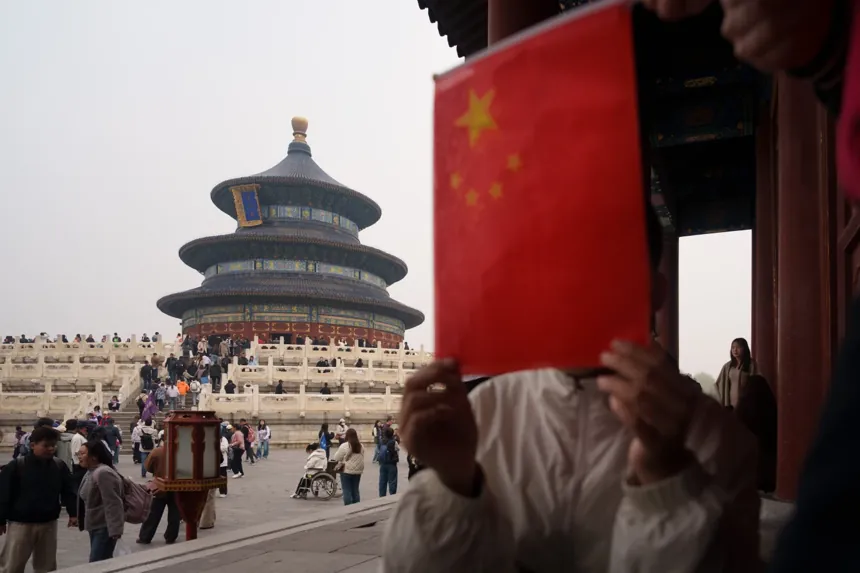
The cancellation highlights Beijing’s long-standing position that Taiwan should be excluded from international forums under its “One China” policy, which views the island as part of its territory. Analysts say such pressure has increasingly extended beyond formal diplomacy into civil society events and multilateral gatherings.
Regional Stability Tested by Expanding Influence
Zambia, which maintains close economic and political ties with China, has historically supported Beijing’s diplomatic stance on Taiwan. Observers note that the decision reflects the broader influence China exerts in parts of Africa, where infrastructure investment and financial cooperation often shape foreign policy alignment.
The abrupt cancellation also disrupted plans for one of the world’s largest digital rights conferences, expected to host participants from more than 150 countries. Organizers warned the move could have lasting implications for international collaboration on issues such as online freedom, surveillance and artificial intelligence governance.
International Response Intensifies
Human rights groups and Taiwanese officials have criticized the decision, framing it as a setback for global civil society and freedom of participation. Taiwan’s government said the episode reflects ongoing efforts to limit its international presence, while advocacy organizations called for greater accountability from host governments facing external pressure.
The incident follows other recent cases in which Taiwan’s international engagements have been disrupted, including travel restrictions attributed to diplomatic pressure from Beijing.



Strategic Stakes Rise for Global Governance
The cancellation of the Zambia summit underscores a widening contest over participation in international forums, where geopolitical rivalries increasingly shape access and representation. Analysts say such developments risk fragmenting global cooperation on transnational issues, particularly in areas requiring multi-stakeholder engagement.
As countries navigate competing diplomatic relationships, the episode raises broader questions about the independence of international platforms and the ability of civil society actors to operate without political constraints.
The outcome points to a growing intersection between geopolitics and global advocacy spaces, with implications likely to extend beyond Africa to future international events and partnerships.