European leaders are recalibrating their security strategies after the United States signaled plans to reduce troop levels in Germany, a move seen as accelerating calls for Europe to assume a larger role within the NATO alliance.
The decision, led by President Donald Trump, involves the withdrawal of around 5,000 U.S. troops from Germany, with indications that further reductions could follow. The shift has prompted European governments to reassess their defense commitments amid concerns over long-term U.S. engagement in regional security.
Strategic Realignment Across the Alliance
The planned drawdown reflects a broader recalibration of U.S. military priorities, including a greater focus on other global regions and expectations that European allies will shoulder more responsibility for their own defense. Analysts note that the reduction marks a departure from decades of sustained American military presence that underpinned NATO’s deterrence posture in Europe.

With tens of thousands of U.S. troops historically stationed in Germany to support operations across Europe, Africa, and the Middle East, the shift signals a potential restructuring of alliance capabilities and command logistics.
European Leaders Signal Greater Responsibility
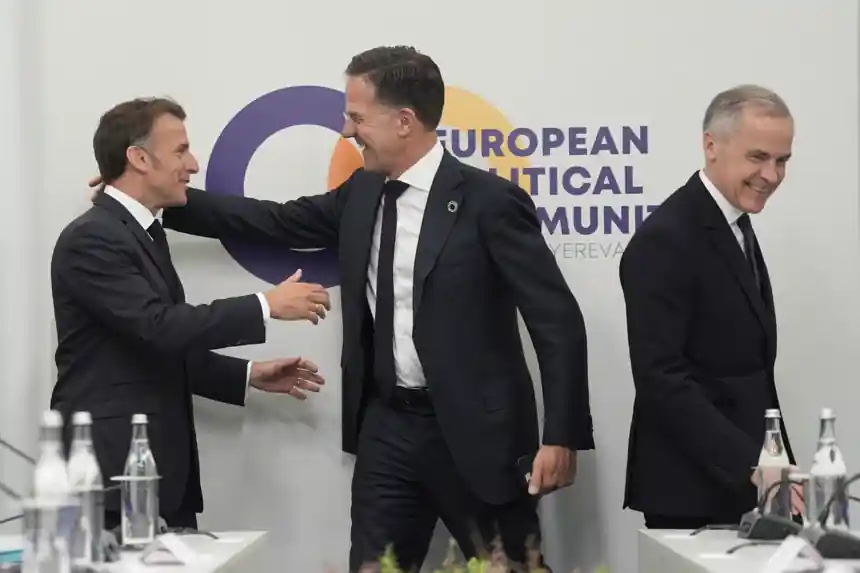
At a regional summit in Yerevan, European leaders emphasized the need for a stronger continental role within NATO, framing the U.S. move as a catalyst for long-discussed defense reforms. Officials acknowledged that while the immediate impact of troop reductions may be limited, the broader message underscores the urgency of increased European military capacity.
NATO Secretary-General Mark Rutte indicated that member states have taken note of Washington’s expectations, with several countries expanding defense spending and preparing additional deployments in response to evolving security demands.
Alliance Unity Faces New Test
The troop reduction comes amid wider geopolitical tensions, including disagreements over U.S. foreign policy decisions and differing levels of European support for American-led military operations abroad. These divisions have complicated coordination within NATO, raising questions about cohesion at a time of heightened global uncertainty.
European governments have expressed cautious confidence that NATO’s deterrence capabilities will remain intact, even as they accelerate plans to strengthen their own forces. German officials, in particular, have highlighted ongoing efforts to expand military capacity and reduce reliance on external support.
■ Related News


Broader Security Implications Emerge
The evolving security landscape has intensified discussions about Europe’s long-term strategic autonomy. While many allies continue to value U.S. leadership within NATO, the current trajectory suggests a gradual shift toward a more balanced distribution of responsibilities across the alliance.
At the same time, policymakers remain wary of potential gaps during the transition period, particularly given ongoing conflicts and regional instability affecting Europe’s eastern and southern flanks.
Future of Transatlantic Defense Cooperation
The troop drawdown underscores a critical juncture in transatlantic relations, with upcoming NATO meetings expected to address burden-sharing and alliance priorities. Diplomatic efforts are likely to focus on maintaining unity while adapting to changing geopolitical realities.
As Europe moves to strengthen its defense capabilities, the extent to which it can independently sustain regional security will shape the future role of NATO and the durability of its partnership with the United States.