The world’s largest art heist remains one of the most enduring mysteries in cultural history, with stolen works valued at over $500 million still missing decades later. The 1990 robbery at the Isabella Stewart Gardner Museum in Boston continues to influence how museums approach security, preservation, and public access.
More than three decades on, the case illustrates how cultural institutions balance openness with protection, as experts say the legacy of the theft extends far beyond the artworks themselves.
Data Behind the Trend
The theft occurred in March 1990, when two men disguised as police officers entered the museum and removed 13 works of art, including pieces attributed to Rembrandt and Johannes Vermeer. According to reporting by the Associated Press, the total estimated value of the stolen works exceeds $500 million, making it the largest art theft in history.

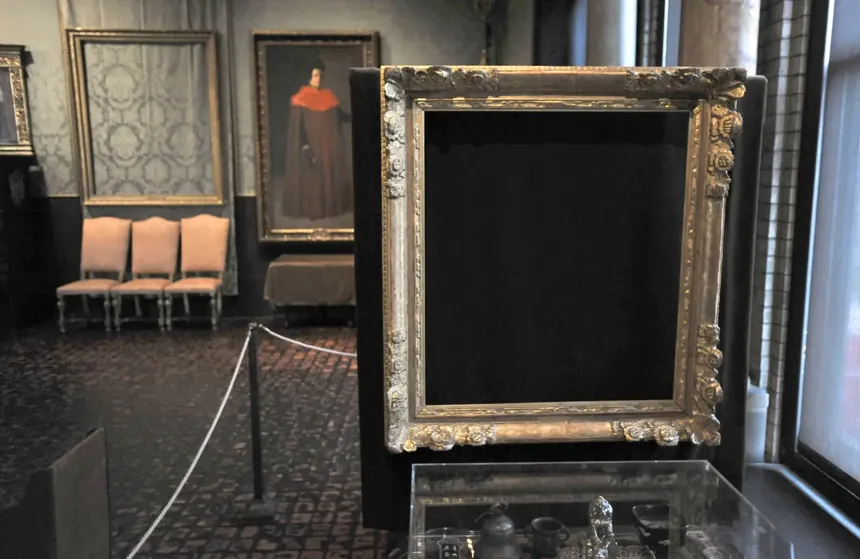
Despite extensive investigations by the Federal Bureau of Investigation, none of the artworks have been recovered. The museum has maintained empty frames on its walls as placeholders, signaling both loss and ongoing hope for recovery.
The scale and unresolved nature of the case continue to be cited in institutional studies examining art crime and cultural asset protection.
Cultural Institutions and Security Evolution
Experts say the Gardner heist marked a turning point in museum security practices worldwide. Prior to the 1990s, many institutions prioritized visitor accessibility and aesthetic presentation over robust surveillance systems.
Following the theft, museums increasingly adopted layered security approaches, including advanced alarm systems, digital monitoring, and stricter staff protocols. According to cultural heritage analysts, the incident contributed to a broader shift toward risk management frameworks in the arts sector.
The case also prompted greater collaboration between museums and law enforcement agencies, including international databases for stolen art and improved provenance tracking systems.
■ Related News



Public Access Versus Protection
The heist underscores an ongoing tension between public access to art and the need for protection. Cultural institutions are often designed to be welcoming spaces, yet the Gardner case demonstrated vulnerabilities inherent in open environments.
Research in museum studies suggests that institutions now face heightened expectations to safeguard collections while maintaining visitor engagement. Security measures must remain largely unobtrusive, preserving the visitor experience without compromising protection.
This balance has become increasingly complex as museums expand digital access and global tourism continues to grow.
Ongoing Investigation and Public Fascination
The unresolved nature of the theft has contributed to sustained public interest, with documentaries, books, and academic studies examining the case. The FBI continues to treat the investigation as active, periodically releasing updates and appeals for information.
Experts note that high-profile art crimes often capture public imagination because they intersect crime, culture, and history. The Gardner heist, in particular, highlights how stolen artworks carry both financial and symbolic value.
Scholars also point out that the continued absence of the works raises broader questions about black-market art networks and the long-term recovery prospects for stolen cultural property.
Broader Implications for Cultural Heritage
The lasting impact of the Gardner heist extends into global conversations about cultural preservation. International organizations, including UNESCO, have since emphasized stronger protections against illicit trafficking of cultural goods.
The case demonstrates how a single event can reshape institutional practices across countries and decades. It also reflects growing recognition of art not only as an economic asset but as a shared cultural resource requiring collective stewardship.
As museums continue to adapt to evolving risks, the legacy of the 1990 theft remains a defining reference point in discussions about security, access, and the protection of cultural heritage.