


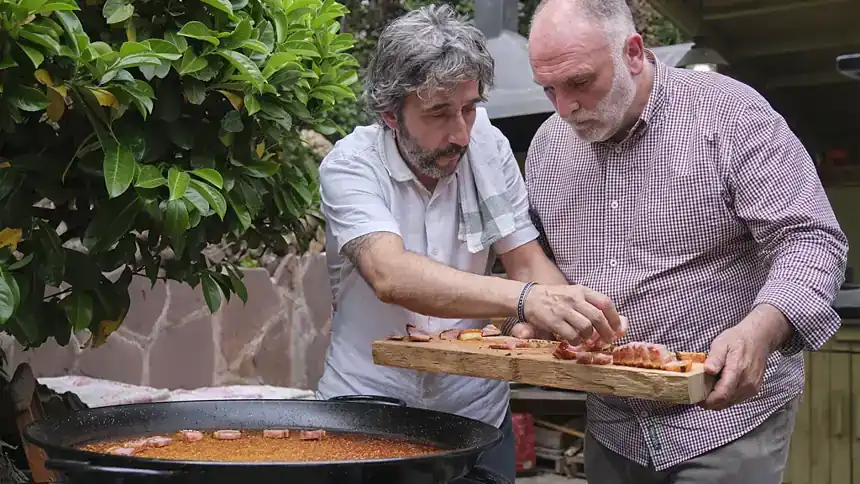
For chef and humanitarian José Andrés, tapas represent far more than a collection of small dishes. They are a reflection of Spanish culture, social life and the joy of gathering around food.
Speaking with BBC Travel, the Michelin-starred chef explained how the tradition of sharing small plates helped shape everyday life in Spain and why visitors can gain a deeper understanding of the country through its tapas culture.
Born in the northern Spanish region of Asturias and now based in the United States, Andrés helped introduce Spanish cuisine to American diners through his restaurants, including Jaleo in Washington, D.C. When the restaurant opened more than three decades ago, the idea of sharing multiple dishes at a table was unfamiliar to many customers. Today, communal dining has become common in many parts of the world.

“Tapas are, at the same time, a simple way of eating and an entire way of life,” Andrés told BBC Travel, describing the tradition as an experience built around sharing food and spending time together.
More Than a Meal
Tapas have long been woven into Spain’s social fabric. Traditionally served in bustling bars and taverns, the small dishes encourage conversation and movement rather than lengthy meals in a single location.
According to Andrés, one of the most enjoyable ways to experience the tradition is through a “tapeo,” a tapas crawl where diners move from one venue to another, sampling different dishes and drinks along the way.
Rather than settling into a single restaurant for an entire evening, people often enjoy a few bites and a drink before continuing to another destination. The approach allows visitors to experience a wider variety of regional specialties and local atmospheres.
Following Local Recommendations
When exploring a new tapas bar, Andrés suggests paying attention to what local diners are ordering.
■ Related News

Instead of relying solely on a menu, he recommends observing which dishes appear most frequently on nearby tables. Popular choices often signal a house specialty or a regional favorite worth trying.
Among the classic tapas commonly found throughout Spain are tortilla española, a potato-and-onion omelette; gambas al ajillo, prawns cooked in garlic oil; patatas bravas, fried potatoes served with a spicy sauce; and croquetas filled with creamy ingredients. However, Andrés believes local specialties often provide the most memorable experiences.
Regional Stops for a Tapas Journey
Spain’s diverse culinary traditions mean that tapas vary widely from one region to another.
In the Basque city of San Sebastián, Andrés recommends exploring the historic street Calle 31 de Agosto, known for its pintxos, the region’s distinctive bite-sized bar snacks. A traditional gilda, made with anchovies, olives and peppers, remains one of the area’s signature offerings.
Further inland, the city of Logroño is famous for Calle Laurel, where individual establishments often specialize in a single dish. Visitors can sample a variety of foods while moving from bar to bar.
In Barcelona, Andrés points travelers toward the historic neighborhoods of El Born and Barri Gòtic, where tapas bars continue to play an important role in local dining culture.
The chef also highlighted Madrid’s lively food scene, particularly the area surrounding Calle Ponzano and the multicultural neighborhood of Lavapiés.
Choosing the Right Drink
While tapas are often paired with beverages, Andrés rejects the idea that there is a single correct choice.
Depending on the occasion, Spaniards may enjoy cava, wine, cider, beer, vermouth or sherry alongside their food. What matters more than strict rules, he said, is finding combinations that complement both the dishes and the social atmosphere.
Small servings of beer remain particularly common in Spain, allowing drinkers to enjoy a freshly poured cold glass throughout a tapas outing.
The One Rule Visitors Should Remember
For travelers hoping to embrace the tradition authentically, Andrés offers one simple piece of advice: keep moving.
The spirit of tapas is not confined to a single restaurant. Instead, it thrives through exploration, variety and interaction with different venues and communities.
By visiting multiple bars, sampling regional specialties and sharing dishes with friends, visitors can experience tapas not only as a meal but as a cultural ritual that continues to define Spanish social life.
Tags: José Andrés, Tapas Culture, Spanish Cuisine, Spain Travel, Food Traditions, Shared Dining, Tapeo, San Sebastián, Barcelona Food Scene, Madrid Restaurants, Spanish Food, Culinary Culture


