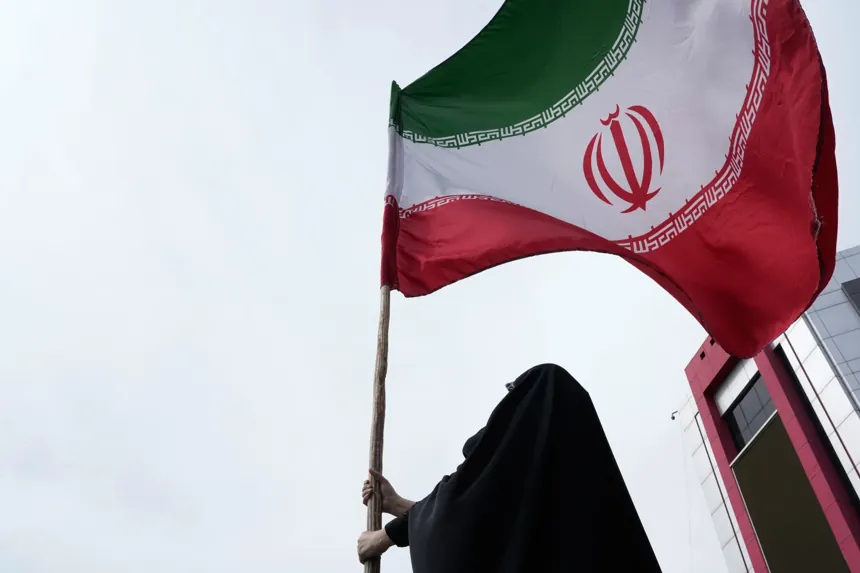
Pakistan has moved to stabilize sensitive diplomatic engagement between the United States and Iran after an abrupt decision by President Donald Trump to keep American envoys from participating in ongoing talks disrupted an already fragile negotiation track. The development introduces new uncertainty into efforts aimed at preventing further escalation in the Gulf.
According to a report by The Associated Press, Pakistani officials have accelerated backchannel communications with both Washington and Tehran, seeking to prevent a complete collapse of dialogue that had shown tentative signs of revival. The U.S. decision, made without a detailed public explanation, has prompted concerns among regional stakeholders that the diplomatic process could lose coherence at a critical moment.
The shift comes as tensions across the Middle East remain elevated, with maritime security concerns and proxy dynamics continuing to test the limits of deterrence.

Diplomatic Vacuum Deepens as U.S. Steps Back
Washington’s absence from the negotiating table has created a vacuum that Pakistan is now attempting to fill, positioning itself as a temporary intermediary capable of maintaining continuity. However, Islamabad’s role remains constrained by limited leverage over core U.S. strategic calculations.
Pakistani officials are reportedly urging both sides to preserve communication channels, warning that a breakdown in talks could rapidly translate into heightened military posturing in the region. The absence of direct U.S. participation complicates efforts to achieve clarity on key issues, particularly nuclear compliance and sanctions relief.
This interruption in formal diplomacy signals a broader recalibration in U.S. engagement strategy, one that risks undermining confidence among partners relying on predictable negotiation frameworks.
Strategic Misalignment Raises Stakes for Regional Stability
The decision to withhold envoys appears to reflect internal divisions within the U.S. administration over the direction of Iran policy. This divergence has introduced an additional layer of uncertainty into negotiations already burdened by mistrust and competing timelines.
Iranian officials, while not formally withdrawing from talks, have signaled skepticism about the viability of progress without consistent U.S. representation. The lack of clarity from Washington has reinforced Tehran’s concerns about negotiating reliability, further complicating the path forward.



Pakistan’s intervention underscores the extent to which regional actors are being drawn into managing the consequences of great-power inconsistency. While Islamabad has previously facilitated dialogue in similar contexts, the current environment presents higher stakes due to overlapping security flashpoints.
Economic and Security Pressures Converge Around Gulf Corridor
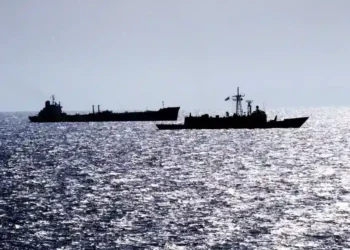
The diplomatic disruption arrives at a moment when economic and security pressures are tightly intertwined. The Gulf region, particularly key maritime routes, remains vulnerable to disruptions that could have immediate global energy implications.
Analysts note that uncertainty surrounding U.S.–Iran engagement tends to correlate with increased volatility in shipping corridors, including those critical to oil transit. Pakistan’s outreach reflects an awareness that even incremental diplomatic setbacks can carry disproportionate economic consequences.
By attempting to sustain dialogue, Islamabad is also signaling its interest in preventing broader regional destabilization that could impact its own economic and security environment.
Regional Mediators Face Limits of Influence
Despite Pakistan’s proactive posture, its ability to shape outcomes remains limited by structural constraints. Unlike major powers directly involved in the dispute, Islamabad lacks the capacity to enforce commitments or offer significant economic incentives.
Still, its involvement highlights a growing reliance on middle-power diplomacy to manage crises where primary actors step back. This dynamic introduces both opportunities and risks: while it can prevent immediate breakdowns, it may also delay necessary decisions by the principal parties.
The current situation illustrates how gaps in leadership at the highest levels can cascade into broader systemic uncertainty, requiring ad hoc interventions to maintain even minimal diplomatic continuity.
Negotiation Trajectory Hinges on U.S. Reengagement
The immediate future of the talks now depends largely on whether Washington reenters the process with a clear mandate and negotiating framework. Without that, Pakistan’s mediation may only serve as a temporary stabilizing measure rather than a pathway to resolution.
Iran, for its part, appears to be weighing its options carefully, balancing the desire to avoid escalation with skepticism about the durability of any potential agreement under shifting U.S. policy conditions.
If the current impasse persists, the risk is not simply diplomatic stagnation but a gradual erosion of the mechanisms that have historically prevented open confrontation. In that context, Pakistan’s intervention may delay escalation—but cannot substitute for direct engagement between the principal actors.