A growing presence by TMZ in Washington, D.C. is drawing attention within political and media circles, as the celebrity-focused news organization secures high-profile reporting opportunities traditionally dominated by legacy outlets. The development reflects a broader shift in how political information is sourced, packaged, and consumed.
Once known primarily for entertainment coverage, TMZ has increasingly appeared alongside established political reporters in congressional hallways and at major political events. The outlet’s expanded footprint underscores changing dynamics in media access and the evolving relationship between politics, celebrity culture, and digital-first journalism.
Media Access Boundaries Shift
The outlet’s rise in Washington highlights how institutional gatekeeping around political reporting is loosening. Officials and lawmakers, speaking in public briefings and informal exchanges, have engaged with TMZ reporters, signaling a growing acceptance of nontraditional media players.

Analysts note that this shift reflects a strategic adaptation by political figures seeking broader audience reach. By engaging with outlets like TMZ, politicians can connect with demographics less likely to follow conventional political news, potentially reshaping communication strategies within government institutions.
Reporting from The Associated Press indicates that TMZ’s presence is no longer treated as an anomaly but increasingly as part of the standard press corps ecosystem.
Political Communication Strategy Evolves
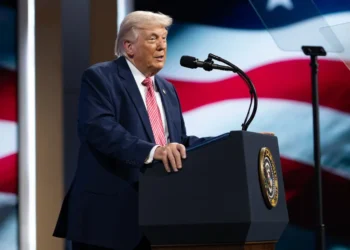
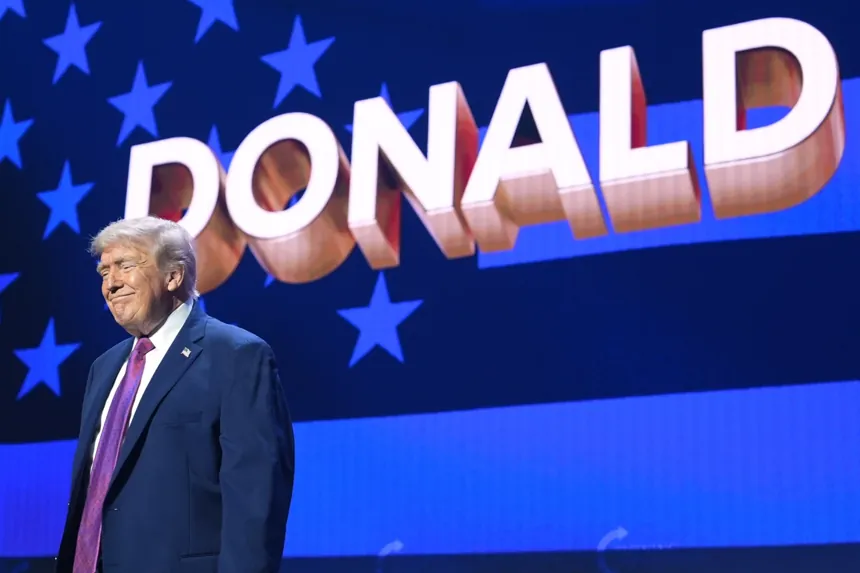
The intersection of entertainment media and political reporting points to a recalibration in how public figures manage visibility. Figures such as Donald Trump have historically blurred the line between celebrity and politics, creating an environment where outlets like TMZ can operate more comfortably within political spaces.
Media experts suggest this trend reflects a broader transformation in political messaging, where viral reach and audience engagement can outweigh traditional journalistic norms. The inclusion of entertainment-oriented outlets may also accelerate the pace at which political narratives spread across social platforms.
At the same time, some observers caution that the blending of entertainment and political reporting raises questions about editorial standards and the prioritization of news values.


Institutional Norms Face New Pressure
The growing role of TMZ in Washington places pressure on longstanding institutional norms governing press access and credibility. Congressional offices and press secretaries must now navigate a more diverse media landscape, balancing openness with the need to maintain consistent communication protocols.
Officials have not formally revised press access policies, but the practical reality suggests a more flexible approach. Lawmakers interacting with a wider range of outlets may signal a shift toward inclusivity, though it also complicates efforts to maintain uniform standards of accountability.
Experts interviewed by major news organizations note that this evolution is part of a larger trend in which digital-native platforms challenge legacy media structures, prompting institutions to adapt rather than resist.
Implications for Political Reporting
TMZ’s expansion into political coverage illustrates how media boundaries continue to blur in an era defined by rapid information dissemination and audience fragmentation. While the outlet’s presence may broaden public engagement, it also raises questions about the long-term impact on political journalism standards.
The development suggests that political institutions will increasingly operate within a hybrid media environment, where traditional reporting coexists with entertainment-driven narratives. How governments and news organizations respond could shape the future of political communication and public trust.