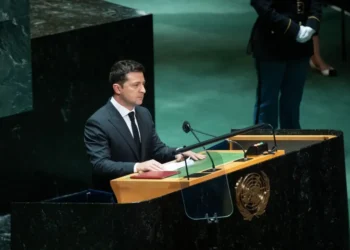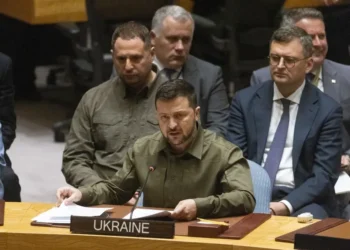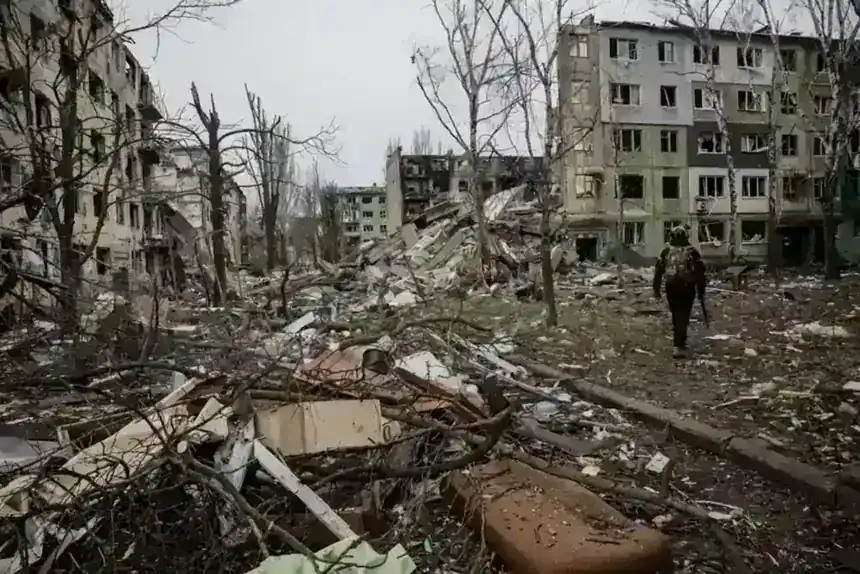
Ukraine’s leadership says U.S.-backed peace diplomacy is moving forward, but the optimism is unfolding against a battlefield reality that continues to narrow the space for compromise. President Volodymyr Zelensky has described recent negotiations as productive, echoing earlier assessments that the framework under discussion is “quite solid,” even as both sides remain divided over territory, guarantees, and the sequencing of concessions.
As previously reported by the Associated Press, Kyiv believes parts of the emerging U.S. proposal align with several of its core demands. Yet the deeper diplomatic risk lies in whether political momentum can survive continued combat operations, which repeatedly reset the negotiating climate before technical gains can mature into enforceable terms.
Negotiation Gains Face Battlefield Erosion
The immediate challenge for Washington’s mediation effort is not merely drafting language acceptable to both sides, but preserving confidence in the process while strikes and ground offensives continue.

Each new round of fighting increases pressure on Ukrainian negotiators to avoid concessions that could later be interpreted domestically as strategic retreat. On the Russian side, continued military operations preserve leverage, allowing Moscow to test whether battlefield attrition can improve its negotiating position before any ceasefire mechanism is formalized.
This creates a diplomatic paradox: progress at the table can coexist with deterioration on the ground, but only temporarily.
Security Guarantees Remain the Central Fault Line
The most consequential unresolved issue remains long-term security architecture.
Kyiv’s consistent position has been that any territorial discussion must be linked to credible guarantees capable of deterring renewed Russian action. U.S. negotiators have reportedly narrowed several open points, but questions surrounding NATO alignment, enforcement mechanisms, and post-war military limitations remain politically volatile.
The diplomatic fallout risk is clear: without clarity on guarantees, even a technically advanced peace draft could fail at the ratification stage among Ukraine’s leadership, parliament, or European backers.



Territorial Sequencing Could Define the Talks’ Survival
Another pressure point lies in the order of concessions.
Washington’s mediation strategy appears increasingly focused on sequencing—whether territorial compromises should precede guarantees or vice versa. That order is no longer a procedural matter; it is now central to whether either side can sell an agreement as a strategic success rather than a coerced pause.
This is where the talks remain most vulnerable. If the process moves faster than battlefield realities or domestic politics can absorb, momentum could reverse abruptly, transforming “progress” into another stalled diplomatic cycle.
Diplomacy Now Depends on Managing Expectations, Not Just Terms
The broader geopolitical implication is that these negotiations are no longer judged solely by the substance of a peace framework, but by whether the U.S. can maintain synchronized expectations across Kyiv, European allies, and its own political timetable.
That makes the current phase less about headline breakthroughs and more about diplomatic endurance. The process is advancing, but its viability will depend on whether battlefield escalation outpaces the political patience required to complete a settlement.
The forward-looking risk is that continued “solid progress” without visible de-escalation may gradually weaken confidence in the talks themselves—turning cautious optimism into another prolonged period of diplomatic drift.