Brazil’s decision to move former president Jair Bolsonaro from prison to house arrest has reignited political tensions and raised fresh questions about judicial authority, electoral dynamics, and democratic stability in Latin America’s largest economy.
The country’s Supreme Court authorized the transfer on health grounds, allowing Bolsonaro to leave a Brasília hospital on Friday and return to his residence in the capital. The ruling comes as Brazil prepares for a closely watched election cycle, with the former leader still exerting influence despite being barred from holding office.
Officials speaking to The Associated Press confirmed that the measure is temporary, subject to a 90-day judicial review, and accompanied by strict conditions limiting Bolsonaro’s communication and movement.

Conditional House Arrest Signals Judicial Tightrope
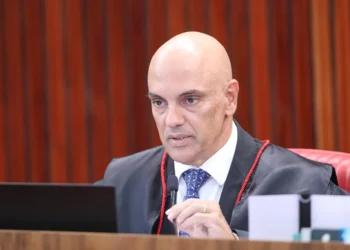
The decision by Supreme Court Justice Alexandre de Moraes reflects an attempt to balance legal enforcement with humanitarian considerations, according to legal analysts. Bolsonaro, 71, had been hospitalized for pneumonia and complications linked to prior health issues, prompting the court to approve house confinement instead of continued incarceration.
Under the ruling, Bolsonaro must wear an electronic ankle monitor and is prohibited from communicating with individuals outside his immediate family, legal team, and medical professionals. Authorities have also imposed restrictions on gatherings near his residence, signaling concerns over potential unrest.
Analysts note that the 90-day review clause is unusual in Brazil’s legal system, suggesting the court is maintaining leverage to reassess the arrangement based on compliance and political conditions.
Political Fallout Extends Beyond Legal Decision
The ruling has drawn criticism across Brazil’s polarized political spectrum. Allies of Bolsonaro argue the temporary nature of the decision underscores judicial hostility, while opponents claim the former president is receiving preferential treatment despite serious convictions tied to an attempted coup.
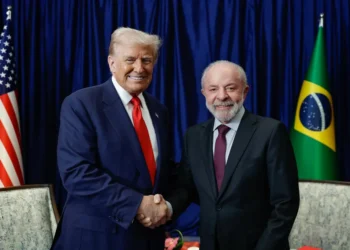
Bolsonaro, who governed from 2019 to 2022, was sentenced to 27 years in prison after being found guilty of attempting to overturn election results following his narrow defeat to current President Luiz Inácio Lula da Silva.




Although Bolsonaro is ineligible to run for office, his political influence remains significant. His son, Senator Flávio Bolsonaro, is emerging as a key contender in upcoming elections, reflecting the enduring strength of the conservative base aligned with the former president.
Regional Stability Tested by Brazil’s Internal Divisions
Brazil’s handling of Bolsonaro’s case is being closely monitored internationally, as it highlights broader challenges facing democracies dealing with contested elections and political polarization.
Foreign policy observers note that Brazil’s judiciary is attempting to reinforce institutional authority while avoiding escalation in a deeply divided society. The case has implications for regional stability, particularly as Latin America grapples with governance disputes and rising populist movements.
The restrictions imposed on Bolsonaro—especially limits on communication—underscore concerns about his continued ability to mobilize supporters, even from confinement.
Strategic Stakes Rise Ahead of Judicial Review
The upcoming 90-day review will serve as a critical test for Brazil’s legal and political systems. Any perceived leniency or harshness could influence public trust in institutions and shape the electoral environment in the months ahead.
Legal experts say the court’s approach reflects a broader effort to manage risk, balancing enforcement of a high-profile conviction with the potential for political backlash. The outcome of the review could determine whether Bolsonaro remains under house arrest or returns to prison, a decision likely to reverberate across Brazil’s political landscape.
As Brazil navigates this sensitive moment, the intersection of law, politics, and public sentiment continues to define the country’s democratic trajectory—and its standing on the global stage.