U.S. stocks staged a broad rebound on Tuesday as oil prices paused after weeks of conflict-driven gains, allowing investors to recover part of the losses tied to Middle East supply fears. The S&P 500 rose 1.6% to 6,447.50, the Dow Jones Industrial Average added nearly 628 points, and the Nasdaq climbed 2.1%, as easing crude prices and falling Treasury yields improved risk sentiment across sectors. The recovery is significant because it suggests markets remain highly sensitive to any sign of de-escalation in the Iran conflict and its inflation implications.
Market reaction centers on oil and inflation expectations
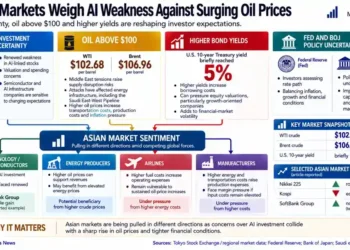
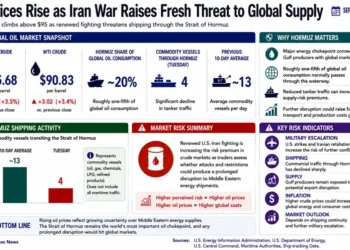
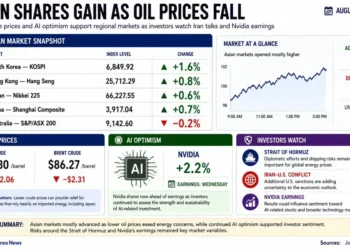
The dominant business angle is market reaction to moderating oil prices. Brent crude briefly eased toward $107 per barrel, down from peaks near $119, reducing immediate fears that prolonged Strait of Hormuz disruption would trigger a fresh inflation shock across transport, manufacturing, and consumer sectors.
The pullback in crude helped reverse some of the pressure that had pushed the S&P 500 close to correction territory earlier in the week. Investors interpreted reports of possible U.S. willingness to scale back military operations against Iran as a signal that energy flows may stabilize sooner than previously expected.

Technology and transport shares drive the rebound
Technology stocks led the advance, reinforcing the sector’s role as the market’s main recovery engine during periods of macro stabilization. Nvidia rose after announcing a $2 billion investment in Marvell Technology, sending Marvell shares sharply higher and making both among the largest contributors to the S&P 500’s gain.
Fuel-sensitive transport names also outperformed as investors recalibrated cost assumptions. Delta Air Lines and Norwegian Cruise Line Holdings advanced as slower oil gains implied less pressure on near-term operating margins, particularly for airlines and cruise operators that had faced rapidly rising jet fuel and bunker costs.
Bond market signals provide additional support
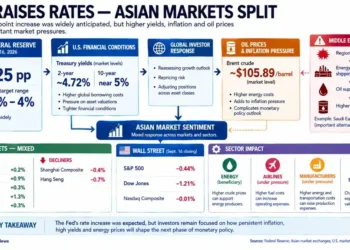
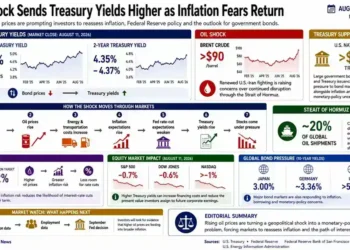
The equity rebound was reinforced by a move lower in U.S. Treasury yields, with the 10-year yield easing to 4.31% from 4.35%. Lower yields reduced some of the financing concerns that had been building as traders scaled back expectations for Federal Reserve rate cuts following the oil surge.
This matters for the broader economy because easing yields can help relieve pressure on corporate borrowing costs, mortgage rates, and capital expenditure plans. Better-than-expected U.S. consumer confidence and labor market data also supported sentiment, suggesting domestic demand remains resilient even as energy-driven inflation risks linger.
Strategic outlook for investors and sectors
Despite Tuesday’s recovery, the broader quarter still points to Wall Street’s worst three-month performance since 2022, underscoring how deeply the Iran conflict and oil volatility have unsettled market positioning.


The key near-term risk remains renewed disruption in the Strait of Hormuz. Any escalation that sends crude back toward recent highs could quickly reverse gains in transport, technology, and rate-sensitive sectors, while reigniting fears of sticky inflation and a more cautious Federal Reserve path. For now, the rally reflects tactical relief rather than a full reset in market risk appetite.