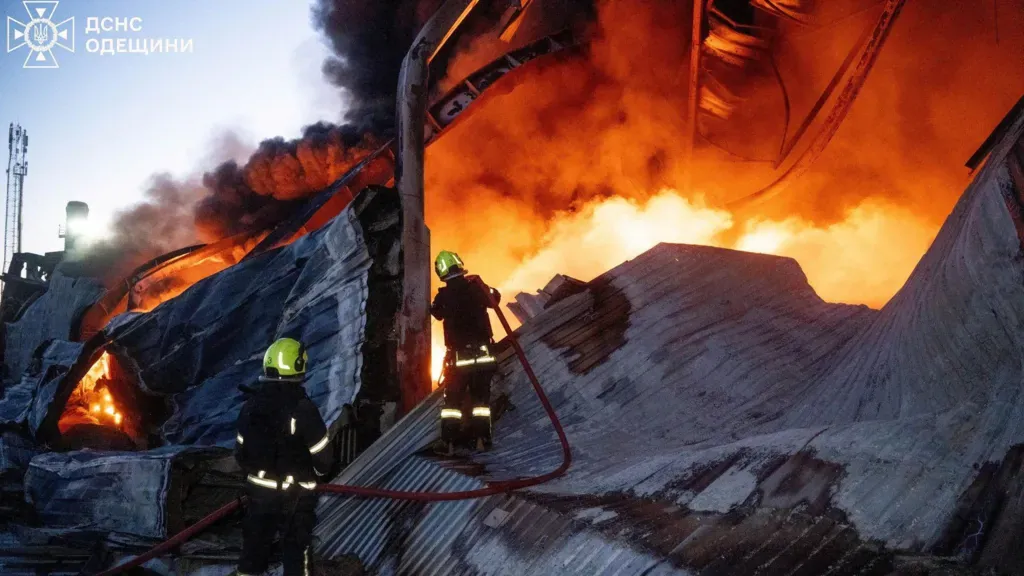
Russia is sharpening its military focus on southern Ukraine, with a sustained campaign targeting the port region of Odesa now emerging as a central pressure point in the war. Ukrainian officials say the pattern of attacks reflects a calculated attempt to undermine maritime access and erode one of Kyiv’s last functioning economic arteries.
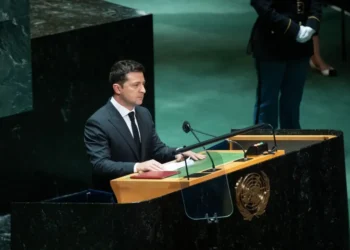
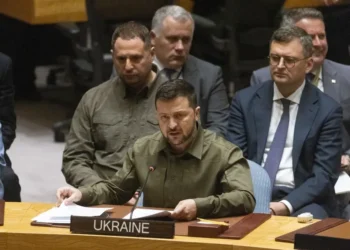
According to Ukrainian Deputy Prime Minister Oleksiy Kuleba, the strikes are no longer episodic but “systematic,” indicating a shift in operational priorities. His assessment aligns with remarks from President Volodymyr Zelensky, who has framed the campaign as a deliberate effort to isolate Ukraine from the Black Sea.
Strategic Chokepoint Comes Under Sustained Fire
Recent attacks have concentrated on port infrastructure, amplifying the vulnerability of Ukraine’s maritime logistics network. Regional authorities confirmed that a civilian vessel was damaged during strikes earlier this week, the latest in a sequence of incidents affecting shipping capacity and port operations.

The targeting pattern suggests a broader strategic intent: constricting Ukraine’s export routes while raising the cost of maintaining commercial flows. With multiple southern ports already compromised by Russian occupation, Odesa has assumed outsized importance in sustaining trade continuity.
Economic Lifeline Faces Compounding Disruption
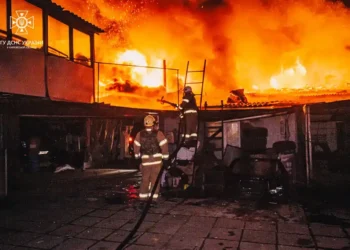
The impact of repeated strikes is now extending beyond infrastructure damage into systemic disruption. Power outages affecting more than 120,000 residents, alongside fires that destroyed key food export goods, have compounded pressure on the region’s operational resilience.
Ukraine remains a major global supplier of agricultural commodities, and the corridor established in 2023—running along the coasts of Romania and Bulgaria toward Turkey—has been critical in maintaining exports. Sustained attacks on Odesa threaten to disrupt this corridor, potentially reverberating through global grain markets.
Command Adjustments Signal Defensive Strain
Kyiv’s response has included leadership changes within its military structure. President Zelensky indicated that a new air force commander for the region would be appointed following the dismissal of Dmytro Karpenko, a move that points to mounting pressure on Ukraine’s air defense systems.
The recalibration underscores the operational challenge: defending a geographically exposed and economically vital hub under persistent aerial assault. Each strike not only degrades infrastructure but also tests command responsiveness and coordination.



Retaliation Narrative Shapes Kremlin Posture
Russia’s escalation has been framed by the Kremlin as retaliatory. President Vladimir Putin previously warned of cutting Ukraine off from the sea following drone attacks on Russia’s so-called “shadow fleet”—a network of tankers used to bypass Western sanctions imposed after the 2022 invasion.
This linkage between maritime security and military escalation introduces a feedback loop, where actions at sea increasingly justify strikes on land-based infrastructure. It also signals Moscow’s willingness to expand the conflict’s economic dimension.
Diplomatic Track Struggles to Keep Pace
The intensification of strikes coincides with limited progress on the diplomatic front. As first reported by Reuters, recent US-led talks in Miami involving Ukrainian and Russian representatives produced cautious statements but no substantive breakthrough.
US envoy Steve Witkoff and Ukrainian Defense Minister Rustem Umerov discussed aligning positions around a proposed peace framework, though competing proposals and entrenched positions continue to hinder movement.
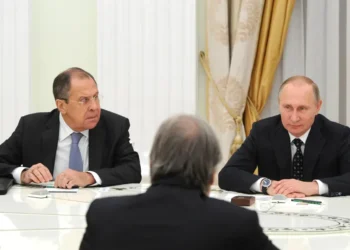
Meanwhile, Kremlin aide Yuri Ushakov dismissed revised proposals from Ukraine and European partners, suggesting they would not improve prospects for a settlement. Russian Deputy Foreign Minister Sergei Ryabkov further accused European states of obstructing rapprochement between Moscow and Washington.
Regional Deterrence Enters a More Volatile Phase
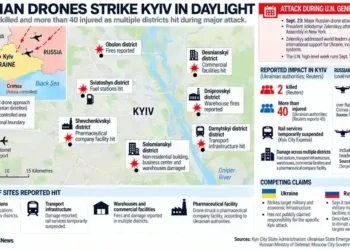
Beyond Odesa, Russia’s continued aerial operations—including a fresh attack on Kyiv—highlight the breadth of its current campaign. Ukrainian air defenses remain active, but the geographic spread of strikes suggests a sustained effort to stretch defensive capacity.
The cumulative effect is a shifting battlefield dynamic in which economic infrastructure and civilian logistics are increasingly central targets. Odesa’s role as both a commercial hub and strategic outlet makes it a focal point for this evolving phase of the conflict.
As the war approaches its fourth year, the intensification around Odesa signals more than a tactical adjustment—it reflects a broader attempt to recalibrate leverage by constraining Ukraine’s economic endurance and maritime reach.