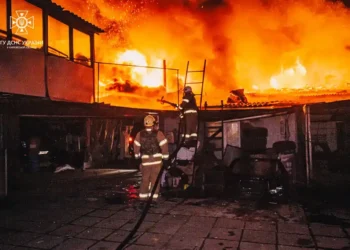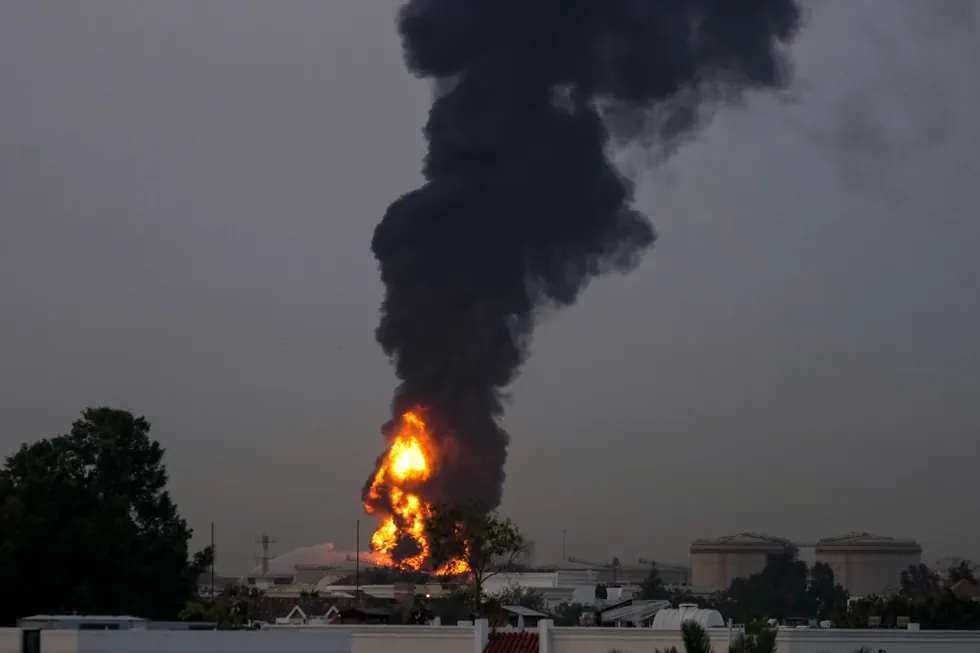
Explosions over Dubai early Tuesday underscored the intensifying confrontation between Israel and Iran, prompting the United Arab Emirates to temporarily close its airspace. According to the state-run WAM news agency, Emirati forces were actively intercepting Iranian missiles and drones targeting critical infrastructure, including oil facilities in Fujairah and Abu Dhabi.
As first reported by The Associated Press, the Israeli military simultaneously launched a broad set of strikes across Tehran and escalated attacks on Iran-backed Hezbollah positions in Lebanon. The coordinated operations come amid multiple Iranian missile salvos fired toward Israel, with some intercepts spraying shrapnel across Jerusalem’s Old City, near the Western Wall and Al Aqsa Mosque.
Command Fractures Emerge
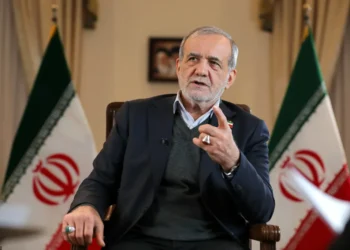
Israeli military officials report having neutralized approximately 85% of Iran’s air defense systems and 70% of its missile launchers, highlighting the intensity and precision of ongoing campaigns. Iranian leadership, however, has remained defiant. Foreign Minister Abbas Araghchi dismissed claims of seeking negotiations as “delusional” and signaled continued regional targeting, particularly against U.S. and Israeli assets.

Strategic Depth Shrinks
The UAE’s snap airspace closure illustrates the pressure on Gulf states caught between Iranian retaliation and Israeli operations. Authorities temporarily halted flights, affecting global carriers like Emirates and Etihad, before resuming operations once military intercepts stabilized. Observers note that recurrent drone strikes on fuel and logistics hubs threaten the operational flexibility of regional air and maritime networks.
Economic Leverage Under Strain
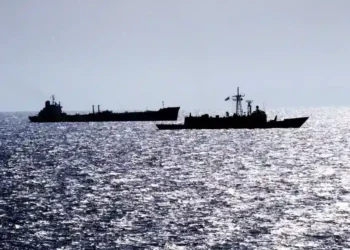
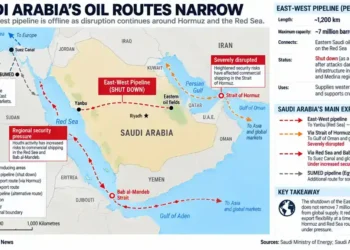
Disruptions at the Strait of Hormuz—a critical artery for roughly a fifth of global oil shipments—have driven Brent crude above $100 per barrel. U.S. President Donald Trump confirmed appeals to multiple nations to deploy naval assets to safeguard shipping lanes, but no immediate commitments have materialized. Fatih Birol of the International Energy Agency noted that strategic reserves could buffer some supply constraints, though markets remain jittery.
Regional Deterrence Tested
Hezbollah’s rocket launches into northern Israel and displacement of over one million Lebanese civilians underscore the widening humanitarian and security toll. The Lebanese government reports nearly 850 fatalities, while the Iranian Red Crescent confirms more than 1,300 deaths inside Iran. Analysts warn that the concentrated military pressure could further erode regional deterrence calculations, compelling neighboring states to reassess security postures.
Diplomacy Faces New Risk
International response remains fragmented. European leaders have criticized the lack of clarity from Washington and Tel Aviv, while EU and UK officials explore limited measures to reopen maritime corridors without engaging directly in the conflict. Japan and Australia have indicated they were not consulted to assist in the Strait of Hormuz, reflecting uneven multilateral coordination.
The escalating strikes, counterattacks, and regional vulnerabilities reveal a Middle East increasingly exposed to strategic shocks, with ripple effects for energy markets, civilian safety, and international diplomatic alignments.