Economic Pressure Emerges as a Central Battlefield
The recent U.S. strike on Kharg Island has shifted the strategic focus of the ongoing conflict with Iran toward economic pressure rather than direct territorial confrontation. While the attack targeted military installations rather than energy infrastructure, the island’s central role in Iran’s oil export system means any sustained disruption could quickly translate into financial strain for Tehran.
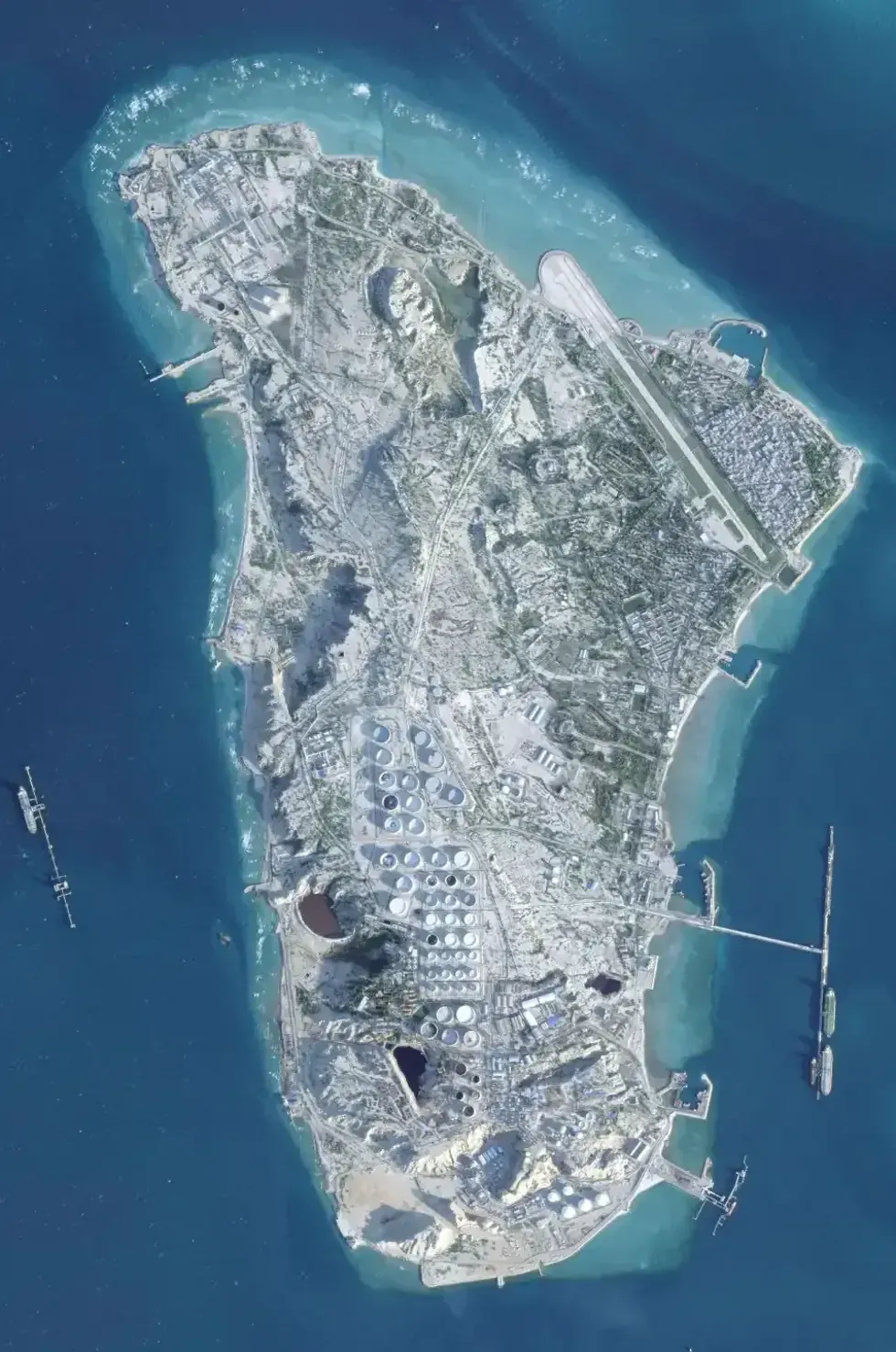
According to reporting by The Associated Press, U.S. forces struck multiple military targets on the island on Friday. Satellite imagery later shared by the shipping-monitoring platform TankerTrackers indicated that oil terminals remained operational and tankers continued loading fuel over the weekend.
The distinction between military and economic targeting has become increasingly significant. By avoiding direct damage to oil export facilities, Washington appears to be signaling restraint while simultaneously demonstrating the vulnerability of Iran’s most important economic node.

Kharg Island’s Strategic Role in Iran’s Oil Economy
Located roughly 33 kilometers off Iran’s southern coast, Kharg Island functions as the primary export terminal for Iranian crude. The vast majority of the country’s oil shipments pass through its storage depots and loading terminals before heading to international markets, including shipments to buyers in China.
Energy researchers warn that the island’s operational continuity is essential to the stability of Iran’s economy. Petras Katinas, an analyst at the Royal United Services Institute, noted that control of Kharg Island effectively determines whether Iran can maintain the revenue streams that finance both government operations and military activity.
“If Iran were to lose control there, it would be difficult for the country to function,” Katinas said, emphasizing the island’s role as what he described as the main economic node sustaining the state.
Analysts from JPMorgan warned in a recent commodities research note that any strike damaging the island’s export infrastructure could halt most Iranian crude shipments. Such a disruption, they added, could prompt retaliation targeting shipping routes or energy installations across the region.
Regional Shipping Routes Enter the Strategic Equation
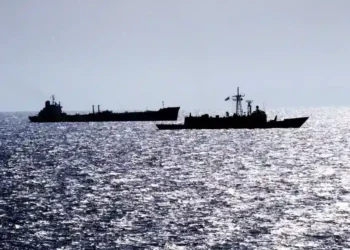
The broader strategic concern centers on the nearby Strait of Hormuz, one of the world’s most important maritime energy corridors. A large share of global oil shipments passes through the narrow passage linking the Persian Gulf to international markets.
■ Related News




Donald Trump warned that interference with commercial shipping in the strait could prompt additional U.S. action. While he stated that the recent strike “totally obliterated” the island’s military assets, he also suggested the current restraint toward oil infrastructure could change if Iran targets international vessels.
This conditional posture indicates that Washington is attempting to deter escalation while preserving the option of applying heavier economic pressure if maritime traffic becomes threatened.
Disputed Islands Renew Strategic Tensions
Iranian officials also claimed U.S. forces struck positions on Abu Musa, a small but strategically sensitive island contested between Iran and the United Arab Emirates.
Along with the nearby Greater Tunb and Lesser Tunb, Abu Musa has long represented a focal point of territorial tensions between Iran and Gulf states aligned with Washington. Iranian forces seized the islands in 1971 following the withdrawal of the United Kingdom from the Gulf.
Today, Iran maintains military garrisons and defensive installations on the islands, positioning them as forward outposts along shipping routes approaching the Strait of Hormuz.
U.S. Central Command has not publicly confirmed Iranian claims that the island was targeted in the latest wave of strikes.
Infrastructure Strikes Raise Civilian Concerns
Elsewhere in the region, Iranian officials reported damage to infrastructure on Qeshm Island, the largest island in the Persian Gulf and home to approximately 150,000 residents.
Abbas Araghchi said a desalination facility supplying water to dozens of villages had been struck earlier in the conflict. The United States has not confirmed that claim.
In remarks posted on social media, Araghchi warned that attacks on infrastructure could set a dangerous precedent in the war.
Strategic Pressure Without Economic Collapse—For Now
Despite the scale of recent strikes—reportedly hitting more than 90 targets including radar systems, air defenses, and military bases—Iran’s primary oil export operations remain intact.
But the events surrounding Kharg Island illustrate a broader shift in the conflict. Rather than immediately targeting Iran’s economic lifelines, the United States appears to be applying calibrated pressure that signals capability while leaving room for escalation.
For now, the island remains operational. Yet its vulnerability has been unmistakably demonstrated, transforming it from a logistical hub into one of the most consequential pressure points in the evolving U.S.–Iran confrontation.