In the aftermath of the Bondi Beach shooting, the story of Ahmed al Ahmed has become a focal point for a nation grappling with the consequences of a hate-driven attack.
Al Ahmed, a 44-year-old Syrian-Australian shop owner, is recovering from gunshot wounds after tackling one of two armed attackers who opened fire on a crowd gathered for Hanukkah celebrations near the shoreline. Footage of the confrontation—widely circulated online—shows him wrestling a shotgun away from the gunman during the chaotic moments of the assault.
The intervention helped disrupt what authorities say was one of the deadliest targeted attacks in recent Australian history, leaving 15 people dead and many others wounded.

As first reported by CBS News, public response to the act of intervention has been swift and substantial, with a grassroots fundraising campaign surpassing 2.3 million Australian dollars (about $1.5 million) within days of the attack.
National Leaders Frame the Moment as a Test of Australia’s Social Fabric
Australian leaders have elevated the episode as a symbol of civic courage during a period of national mourning.
Prime Minister Anthony Albanese, who visited al Ahmed in a Sydney hospital, said the actions of the shop owner reflected the country’s core values during what he described as a moment of profound tragedy.
“At a moment where we have seen evil perpetrated, he shines out as an example of the strength of humanity,” Albanese said following the hospital visit.
Officials in New South Wales, where the attack occurred, echoed that assessment. State Premier Chris Minns said the intervention likely prevented additional casualties, describing the scene as one of the most extraordinary acts of civilian bravery he had witnessed.
The attack, which targeted Jewish residents celebrating Hanukkah, has prompted renewed debate about extremist violence and communal tensions in Australia.
Public Response Translates Into Unprecedented Grassroots Support
Within hours of the incident, thousands of Australians began contributing to an online fundraising effort created by individuals who had never met al Ahmed.
More than 40,000 donors have since contributed to the campaign, reflecting a national response that has extended well beyond Sydney. Among those pledging support was billionaire investor Bill Ackman, who publicly contributed nearly 99,000 Australian dollars.
Supporters have also left flowers and messages outside al Ahmed’s small convenience store near a suburban Sydney train station—an informal memorial that has grown steadily since the attack.
The surge of donations illustrates how rapidly individual acts of intervention can reshape public discourse following mass-casualty violence.
Recovery Ahead as Medical Treatment Continues
Despite the public recognition, al Ahmed faces a lengthy recovery.
He sustained multiple gunshot wounds to his left arm during the attack, reportedly fired by the second gunman while al Ahmed was confronting the first. According to Australians for Syria Association, he has already undergone surgery and may require additional procedures.
Under Medicare (Australia), Australia’s publicly funded healthcare program, his treatment is expected to be covered.
Those who have spoken with him say he remains physically weakened but mentally resolute.
According to community representatives who visited him in hospital, al Ahmed has indicated he would make the same decision again despite the injuries.
A Broader Story of Civilian Courage Emerges
Al Ahmed’s actions were not the only examples of civilian intervention that night.
Australian media reports indicate that several individuals attempted to stop the gunmen as the violence unfolded. Among them were Boris Gurman and Sofia Gurman, a married couple who were killed while confronting one of the attackers.
Another victim, Reuven Morrison, was reportedly attempting to disrupt the assailants by throwing objects at them before being fatally shot.
Families of the victims have described these actions as spontaneous attempts to protect others during a rapidly unfolding crisis.
From Syrian Origins to Australian Recognition
Al Ahmed’s personal history adds another dimension to the public response.
He left Syria in 2006 after completing his studies, settling in Australia years before the civil conflict that later devastated his hometown of Nayrab in Syria’s Idlib region.
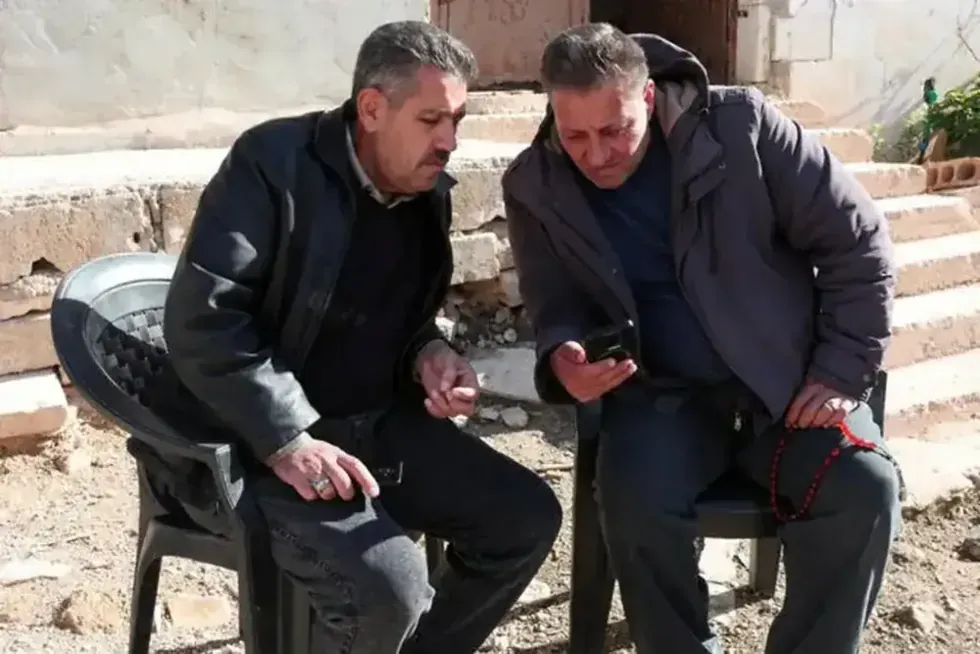
Family members told The Associated Press that he previously served in Syrian police and security forces before emigrating.
His parents, who recently traveled to Sydney to reunite with him, said his decision to intervene stemmed from instinct rather than calculation.
A Nation Confronts Violence While Searching for Unity
As investigations into the attackers continue, the story of Ahmed al Ahmed has become a central symbol in Australia’s response to the tragedy.
For political leaders and community figures alike, the episode reflects a broader test of national cohesion following an attack aimed at a religious minority.
While authorities focus on the security implications of the shooting, public attention has increasingly centered on the individuals who intervened—actions that many Australians view as evidence of social solidarity in the face of targeted violence.