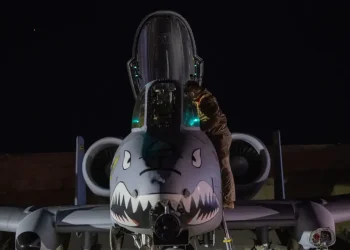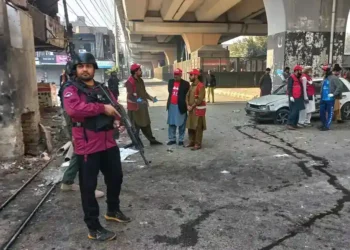
The 2026 Winter Olympics in Milan and Cortina d’Ampezzo are commencing under intensified security measures designed to protect athletes, spectators, and infrastructure. The scale and complexity of these measures reflect both global terrorism threats and logistical challenges in multi-city events. Understanding these systems and their implications clarifies why Olympic security remains a persistent and evolving concern.
Introduction
The Winter Olympics, one of the world’s most high-profile sporting events, brings together thousands of athletes, officials, and spectators from around the globe. The 2026 edition, hosted jointly by Milan and Cortina d’Ampezzo in Italy, is notable not only for its sporting significance but also for the unprecedented security planning required. Organizers face the dual challenge of safeguarding venues across geographically dispersed locations while navigating a complex landscape of international geopolitical threats, terrorism risk, and public health considerations.
The operational scale of the Games encompasses multiple cities, high-altitude venues, and extensive media coverage, all of which increase vulnerability to disruptions. Italian authorities, in coordination with international partners, have implemented a multi-tiered security architecture, combining traditional law enforcement with advanced technological systems. These measures reflect both lessons learned from previous Olympics and broader global trends in urban and event security.
This article explores the causes and systems underlying Olympic security, examines historical context and structural challenges, and assesses regional and global implications. It serves as a detailed explainer for policymakers, researchers, and the global public seeking a rigorous understanding of the operational and strategic considerations surrounding the 2026 Winter Games.
Causes
Security challenges at the Winter Olympics arise from several interconnected factors. First, the global profile of the Games makes them a potential target for terrorism, organized crime, and politically motivated disruptions. High visibility events attract attention from a range of actors seeking to exploit security vulnerabilities.
Second, geographical dispersion contributes to operational complexity. Milan hosts urban ceremonies, while Cortina manages high-altitude sporting events. This split requires synchronized security protocols, rapid deployment capacity, and specialized personnel for alpine environments.
Third, the scale of international participation — thousands of athletes and hundreds of media outlets — increases the number of access points requiring monitoring. Every transport hub, accommodation facility, and venue represents a potential security vector.
Finally, concurrent global crises including ongoing geopolitical tensions and public health considerations, add layers of uncertainty. Authorities must maintain contingency plans for potential regional instability, pandemics, or natural events that could intersect with Olympic operations.
Systems
Olympic security systems integrate multiple components to address these complex risks. At the national level, the Italian government has established a 24/7 command and coordination center to oversee operations across all venues. This centralized hub manages intelligence collection, rapid response coordination, and inter-agency communications.
Technology plays a crucial role. Surveillance networks, including CCTV, drones, and facial recognition at controlled entry points, enable real-time monitoring. Cybersecurity operations protect sensitive data, ticketing systems, and broadcast networks from potential digital threats.
Specialized units such as alpine rescue teams, counter-terrorism task forces, and K9 units are deployed to ensure rapid response across diverse terrains. Coordination with international partners — Interpol, Europol, and participating nations’ security services — ensures intelligence sharing and cross-border preparedness.
Additionally, logistical security measures encompass transport safety, perimeter controls, and crowd management strategies. These systems are designed to anticipate and mitigate incidents ranging from minor disruptions to coordinated attacks, reflecting a risk-based approach informed by prior Olympic experiences.
Historical Context
Security at the Olympics has evolved in response to past crises. The 1972 Munich Games marked a turning point after a terrorist attack on Israeli athletes highlighted vulnerabilities in venue access and international coordination. Subsequent events, including the 1996 Atlanta bombing and the 2016 Rio threats, underscored the need for integrated intelligence and multi-layered defenses.
Each iteration of the Games introduces new technologies and protocols. Advances in surveillance, biometric screening, and emergency response systems have expanded the capacity to monitor, detect, and respond to threats in real-time. However, the dual pressures of public accessibility and operational secrecy remain a persistent challenge.
The 2026 Winter Olympics reflect this evolution. Lessons from past urban and mountainous venues inform the allocation of resources and deployment strategies, while Italy’s national experience with counter-terrorism and public safety frameworks provides a foundation for comprehensive planning.
Structural Failures
Despite extensive planning, structural vulnerabilities persist. Coordinating security across multiple sites creates opportunities for gaps in communication and response. Resource allocation must balance highly visible venues with less accessible, remote locations, where surveillance and rapid response capabilities are inherently limited.
Additionally, large-scale events depend on cooperation between governmental, municipal, and private stakeholders. Misalignment in protocols or delayed decision-making can hinder effective risk mitigation. Technical failures — in communications, surveillance, or transportation systems — also pose operational risks.
Cybersecurity represents another structural concern. The digital infrastructure supporting ticketing, broadcasting, and logistics must withstand attempts at intrusion or disruption. While systems are robust, the interconnected nature of modern operations amplifies potential vulnerabilities.
Regional and Global Implications
The security measures at the 2026 Winter Olympics extend beyond Italy’s borders. The Games serve as a high-profile example of international cooperation in public safety, providing lessons for future multi-city and cross-national events. Intelligence sharing, joint training exercises, and interoperable communication protocols reflect a broader trend toward transnational security collaboration.
Economic and diplomatic implications are also significant. High-profile incidents, or the perception of insufficient security, could affect tourism, foreign investment, and Italy’s global reputation. Conversely, effective security operations reinforce confidence in hosting major international events and demonstrate the operational capacity of participating nations’ law enforcement agencies.
Moreover, the Games underscore the intersection of sport, politics, and security in a globalized context. Measures implemented here may influence planning for other high-profile gatherings, including cultural, political, and sporting events worldwide.
Conclusion
The 2026 Winter Olympics illustrate the complexity and scale of modern event security. Coordinated systems, advanced technology, and international partnerships underpin efforts to safeguard participants and spectators. Historical lessons inform planning, yet inherent structural and operational vulnerabilities remain. The interplay of geographic, logistical, and geopolitical factors ensures that security challenges persist beyond the Games themselves. Understanding these dynamics highlights the ongoing significance of rigorous planning, international cooperation, and adaptive strategies in managing high-profile global events.
– JN –
This article was rewritten by JournosNews.com based on verified reporting from trusted sources. The content has been independently reviewed, fact-checked, and edited for accuracy, neutrality, tone, and global readability in accordance with Google News and AdSense standards.
All opinions, quotes, or statements from contributors, experts, or sourced organizations do not necessarily reflect the views of JournosNews.com. JournosNews.com maintains full editorial independence from any external funders, sponsors, or organizations.
Stay informed with JournosNews.com — your trusted source for verified global reporting and in-depth analysis. Follow us on Google News, BlueSky, and X for real-time updates.