Journos News - Breaking News, World News, Top Stories, Todays Headlines and Flash Reports
Sunday, October 11, 2026
  • Login
  • Home
  • World
    • Africa
    • Americas
    • Asia
    • Europe
    • Middle East
    • Oceania
  • Politics
  • Business
  • Technology
  • Health
  • Science
  • Sports
  • Entertainment
  • Culture
No Result
View All Result
  • Home
  • World
    • Africa
    • Americas
    • Asia
    • Europe
    • Middle East
    • Oceania
  • Politics
  • Business
  • Technology
  • Health
  • Science
  • Sports
  • Entertainment
  • Culture
No Result
View All Result
Journos News - Breaking News, World News, Top Stories, Todays Headlines and Flash Reports
No Result
View All Result
Home Science

Why It’s So Hot Even When Earth Is Farthest from the Sun

Earth Just Hit Aphelion—So Why Are We Still Sweating?

The Daily Desk by The Daily Desk
June 24, 2026
in Science, Space & Astronomy
0
It's Not the Distance: Here's Why July Is Still Blazing Hot - NASA

Aphelion Explained: Why Earth’s Distance Doesn’t Cool Summer - NASA

Why It’s So Hot Even When Earth Is Farthest from the Sun

Earth Just Reached Its Farthest Point from the Sun—So Why Are We Sweating?

If you live in the Northern Hemisphere, you’ve probably noticed summer heat setting in. But here’s the twist: just as temperatures soar, Earth is actually at its farthest point from the sun.

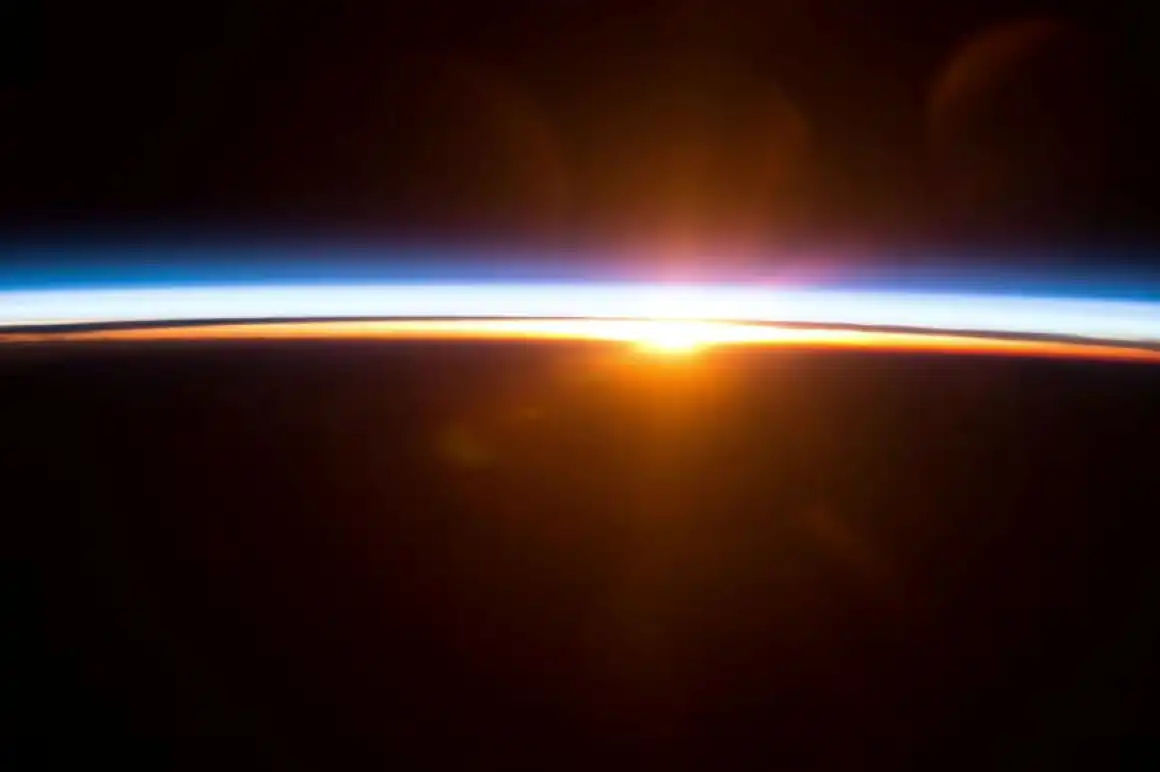
At 3:55 p.m. ET on Thursday, our planet reached aphelion—the moment in its orbit when it is about 3.1 million miles farther from the sun than it is at its closest point in January. Sounds backwards, right? If we’re farthest away, shouldn’t it be cooler?

Not quite. The explanation lies not in Earth’s distance from the sun—but in the tilt of our planet’s axis.

It’s Not the Distance, It’s the Tilt

Earth rotates on a tilted axis—about 23.5 degrees—which has everything to do with our seasons. In July, the Northern Hemisphere is angled toward the sun, receiving more direct sunlight and longer daylight hours. That’s what creates the warmth of summer, not how close we are to the sun itself.

Even though Earth’s orbit is slightly elliptical, this difference in distance—just 3.3%—has only a minor effect on the amount of solar energy we receive.

So How Much Does Distance Really Matter?

When Earth is at aphelion in early July, it’s about 94.5 million miles from the sun. In early January, during perihelion, it’s around 91.4 million miles away. That 3.1-million-mile gap only translates to about a 7% difference in solar energy, which is minimal compared to the impact of axial tilt.

Let’s put that into perspective:

■ Related News

No Content Available
  • In cities like Houston, New Orleans, and Phoenix (around 30°N latitude), summer sunlight delivers twice as much energy as in winter.

  • In New York, Denver, and Columbus (near 40°N), solar energy jumps from 145 watts per square meter in winter to 430 watts per square meter in summer—that’s nearly a 300% increase.

So, while the sun’s rays are technically weaker in July due to Earth being farther away, the angle and duration of sunlight more than make up for it.

Tilt: The Unsung Hero of Seasonal Weather

Thanks to the Earth’s axial tilt, the Northern Hemisphere basks in sunlight for longer hours during summer months. The sun also climbs higher in the sky, allowing its rays to strike more directly, which intensifies the heat.

That’s why summer temperatures peak in July, even though we’re farthest from the sun at that time. Conversely, in January, when we’re closest to the sun, the Northern Hemisphere is tilted away, receiving less direct sunlight—and that means colder days.

Bottom Line: It’s All About the Angle

Earth’s distance from the sun changes only slightly over the course of a year, but its tilt is what really drives our seasonal shifts. That small 23.5-degree angle determines whether we’re basking in summer heat or bundling up for winter.

So next time you’re sweating under the July sun, remember:
It’s not how close we are to the sun—it’s how we’re facing it.

Quick Summary: Why It’s Hot When Earth Is Farther from the Sun

  • Earth reaches aphelion every July—its farthest point from the sun

  • The planet’s tilt, not distance, is what causes seasonal temperature changes

  • Northern Hemisphere tilts toward the sun in summer, leading to longer, hotter days

  • The difference in solar energy between winter and summer can be up to 300% in some regions

  • Distance only reduces solar energy by ~7%, making tilt the dominant factor

Source: CNN – Earth is as far away from the sun as it ever gets. So why is it so hot?

Tags: #AphelionExplained#ClimateScienceExplained#EarthOrbitDistance#EarthsAxialTilt#NorthernHemisphereSummer#SeasonalTemperatureChanges#SeasonalWeatherPatterns#SolarEnergyVariations#SolarRadiationImpact#SummerHeatFactors#SunlightAngleEffects#WhyItsHotInJuly
The Daily Desk

The Daily Desk

The Daily Desk is the editorial byline of Journos News, representing reporting produced by the newsroom across world news, politics, business, technology, disasters, and other areas of public interest. Stories published under this byline are independently researched, verified, and edited in accordance with Journos News’ editorial standards, with an emphasis on accuracy, transparent sourcing, attribution, context, and editorial independence.

Related Posts

No Content Available
Load More
Next Post
The Government Is Dropping Flies from Planes—Here’s Why - COPEG via AP

Why the US Is Releasing Billions of Sterile Flies Over Texas

Back to the Beginning: Ozzy Osbourne’s Farewell Show Reunites Black Sabbath and Rock Icons - credit: Ross Halfin via BBC

Ozzy Osbourne’s Final Bow: Black Sabbath Reunites for Historic Farewell in Birmingham

RECOMMENDED

U.S. President Donald Trump gestures toward Ukrainian President Volodymyr Zelenskyy during a contentious meeting in the Oval Office on February 28, 2025.

Trump Calls for New Ukrainian President, Blames Zelenskyy for US Diesel Prices

October 11, 2026
Map locates King Khalid International Airport in Riyadh, Saudi Arabia, alongside reported casualties, aviation disruptions, nationality details and competing responsibility claims following an October 10 attack.

Riyadh Airport Attack Kills 12 and Injures 309 as Saudi Coalition Vows Response

October 11, 2026
Students from across India protest an alleged 2026 NEET-UG examination paper leak at Jantar Mantar in New Delhi on July 20, 2026, ahead of a march to Parliament.

India Detains Youth Protesters as Voter-List Dispute Intensifies

October 10, 2026
Map locates a ceiling collapse at a four-story commercial building in Gwaneum-dong, Daegu, South Korea, where 38 people were injured and 66 evacuated.

Ceiling Collapse Injures 38 at Commercial Building in South Korea’s Daegu

October 10, 2026
A Flydubai Boeing 737, registration A6-FDA, at Dubai International Airport in the United Arab Emirates on July 19, 2012.

UAE Prosecutors Say Flydubai Co-Pilot Planned Attack on Tel Aviv Airport

October 10, 2026

MOST VIEWED

  • Map shows two major earthquakes in Panama on October 9, 2026, near Río Grande and Pitaloza Arriba, with reported aftershocks, airport reopening and continued Panama Canal operations.

    Panama Hit by Magnitude 7.7 and 6.6 Earthquakes as Aftershocks Prompt Evacuations

    0 shares
    Share 0 Tweet 0
  • Mike Ditka, Hall of Fame Bears Player and Super Bowl-Winning Coach, Dies at 86

    0 shares
    Share 0 Tweet 0
  • Erie Shooting Leaves Eight Victims and Suspect Dead, Police Say

    0 shares
    Share 0 Tweet 0
  • Ceiling Collapse Injures 38 at Commercial Building in South Korea’s Daegu

    0 shares
    Share 0 Tweet 0
  • Riyadh Airport Attack Kills 12 and Injures 309 as Saudi Coalition Vows Response

    0 shares
    Share 0 Tweet 0
JournosNews logo

Journos News delivers globally neutral, fact-based journalism that meets international media standards — clear, credible, and made for a connected world.

  • Categories
  • World News
  • Politics
  • Business & Markets
  • Technology
  • Health
  • Science
  • Sports
  • Arts & Culture
  • Resources
  • Editorial Standards
  • Submit a Story
  • Advertise with Us
  • Syndication & Partnerships
  • Site Map
  • Press & Media Kit
  • Editorial Team
  • Careers

Join thousands of readers receiving the latest updates, tips, and exclusive insights straight to their inbox. Never miss an important story again.

  • About Us
  • Editorial & Trust Center
  • Contact Us
  • Privacy Policy
  • Terms of Use & Copyright Notice

© JournosNews.com All rights reserved.

Welcome Back!

Login to your account below

Forgotten Password?

Retrieve your password

Please enter your username or email address to reset your password.

Log In
JournosNews

Independent Journalism.
Verified Facts.

You're about to read a professionally edited article from JournosNews.com.

Every article is produced in accordance with our editorial standards, emphasizing factual accuracy, transparent attribution, fairness, editorial independence, and meaningful context.

Editorial Standards
No Result
View All Result
  • Home
  • World
    • Africa
    • Americas
    • Asia
    • Europe
    • Middle East
    • Oceania
  • Politics
  • Business
  • Technology
  • Health
  • Science
  • Sports
  • Entertainment
  • Culture

© JournosNews.com All rights reserved.

This website uses cookies. By continuing to use this website you are giving consent to cookies being used. Visit our Privacy and Cookie Policy.