The U.S. military carried out another strike against Iranian targets after President Donald Trump said Tehran was “negotiating on fumes,” highlighting growing tensions between ongoing diplomatic talks and continued military confrontations in the Middle East. According to Associated Press reporting, the latest operation targeted Iranian military assets following what U.S. officials described as threats to American and commercial vessels near the Strait of Hormuz.
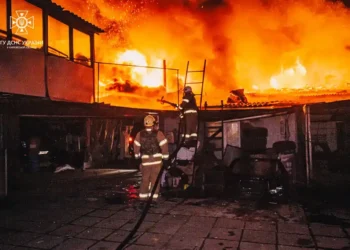
U.S. officials said American forces intercepted several Iranian one-way attack drones before striking a ground control station near the southern Iranian port city of Bandar Abbas. Reuters and AP reported that the operation was characterized by U.S. officials as a “defensive” action intended to prevent additional drone launches and protect maritime traffic in the strategically vital waterway.
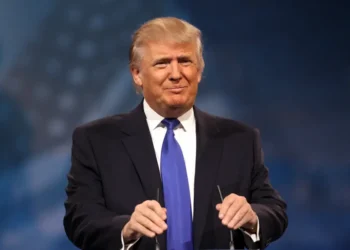
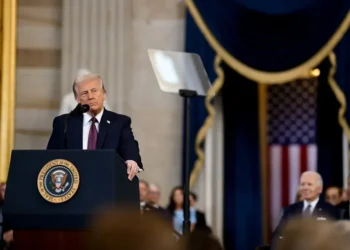
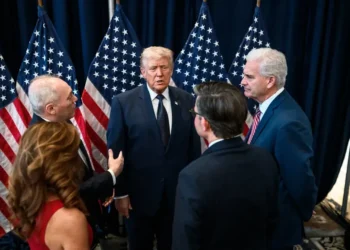
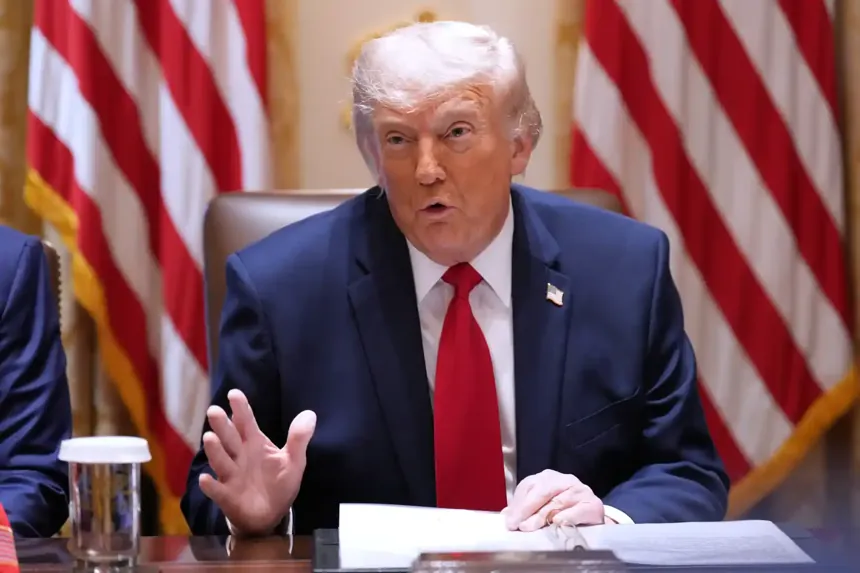
Speaking during a Cabinet meeting, Trump said Iran’s economy and military position had weakened significantly, adding that Tehran was “negotiating on fumes.” The president also indicated he was not rushing to finalize a diplomatic agreement despite continued negotiations over Iran’s nuclear program and regional security issues.

Strait of Hormuz Remains Flashpoint
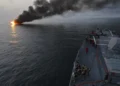
The latest confrontation centered on the Strait of Hormuz, one of the world’s most important oil shipping routes. U.S. officials told Reuters that Iranian drones were launched toward vessels operating in the area before American aircraft destroyed the drones and targeted their control infrastructure.
The Wall Street Journal reported that U.S. fighter aircraft including F-16s, F/A-18s, and F-35s participated in the operation. No casualties were immediately reported.
The military exchange came only days after U.S. Central Command acknowledged carrying out earlier “self-defense” strikes in southern Iran involving missile launch sites and vessels allegedly attempting to place naval mines. American officials stated those operations were conducted while trying to maintain what they described as a fragile ceasefire environment.
Nuclear Talks Continue Despite Military Pressure
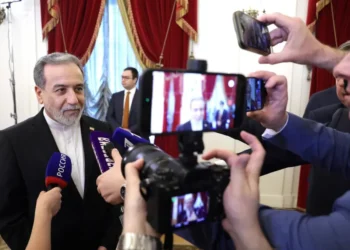
Diplomatic discussions between Washington and Tehran have continued even as military tensions intensified. AP and Reuters reported that negotiations involve proposals tied to Iran’s enriched uranium stockpile, sanctions relief, and regional security guarantees.
However, major disagreements remain unresolved. The White House rejected Iranian state media reports claiming a draft peace framework had already been reached, calling those reports “fabrication.”
■ Related News


Secretary of State Marco Rubio said negotiators had made “some progress” but emphasized that the United States remained prepared to continue military operations if diplomacy failed.
Trump also signaled that any broader agreement could include expanded participation in the Abraham Accords, the U.S.-brokered normalization agreements between Israel and several Arab states. AP reporting indicated that regional governments have responded cautiously to those proposals amid fears that sanctions relief could strengthen Iran’s military and allied armed groups.
Regional Uncertainty Deepens
The conflict between the United States and Iran has continued for nearly three months following large-scale U.S. and Israeli operations earlier this year targeting Iranian military and nuclear infrastructure. Since then, repeated clashes at sea and in the air have raised concerns about broader regional escalation and disruptions to global energy markets.
Iranian officials have publicly accused Washington of undermining negotiations through continued military actions, while U.S. officials argue the strikes are limited defensive responses to immediate threats. Independent verification of some battlefield claims remains unavailable.
Regional allies and global markets continue monitoring the situation closely because any prolonged disruption in the Strait of Hormuz could affect international oil supplies and shipping routes. Details about future diplomatic progress remain uncertain as both military operations and negotiations continue simultaneously.