The decision by U.S. President Donald Trump to extend a ceasefire with Iran, following a request from Pakistan, highlights a moment of diplomatic recalibration shaped less by resolution than by constraint. The extension, while temporarily easing immediate tensions, reflects a broader struggle to stabilize a volatile regional balance where third-party actors are increasingly asserting influence.
As first reported by The Associated Press, the ceasefire prolongation comes after direct engagement from Pakistani officials, positioning Islamabad as an unexpected intermediary in a high-stakes standoff. The move signals not only Washington’s willingness to accommodate regional partners but also the narrowing space for unilateral maneuvering.
External Mediation Redefines Strategic Leverage
Pakistan’s role in securing the extension introduces a new layer of diplomatic complexity. Traditionally aligned with U.S. security frameworks while maintaining ties with Iran, Islamabad appears to be leveraging its geographic and political positioning to shape outcomes beyond its immediate borders.

The intervention suggests a recalibration of influence, where middle-power diplomacy becomes a necessary mechanism in de-escalation. While Washington retains military superiority, the reliance on external appeals reflects a shifting dynamic in which regional actors can influence the tempo of conflict management.
This development also raises questions about the durability of U.S.-led deterrence frameworks, particularly when crisis stabilization increasingly depends on intermediaries rather than direct bilateral negotiation.
Temporary De-escalation Masks Persistent Military Risk
Despite the extension, the ceasefire remains a tactical pause rather than a strategic breakthrough. Underlying tensions between the United States and Iran—ranging from military posturing to longstanding political disputes—remain unresolved.
The continuation of the truce delays, but does not eliminate, the risk of renewed confrontation. Military assets in the region remain on alert, and the absence of a structured negotiation framework leaves the situation vulnerable to rapid deterioration.
From a strategic standpoint, the extension can be interpreted as a risk management measure rather than a confidence-building step. It buys time, but without parallel diplomatic progress, it may simply defer escalation.
■ Related News



Regional Stability Hinges on Fragile Coordination
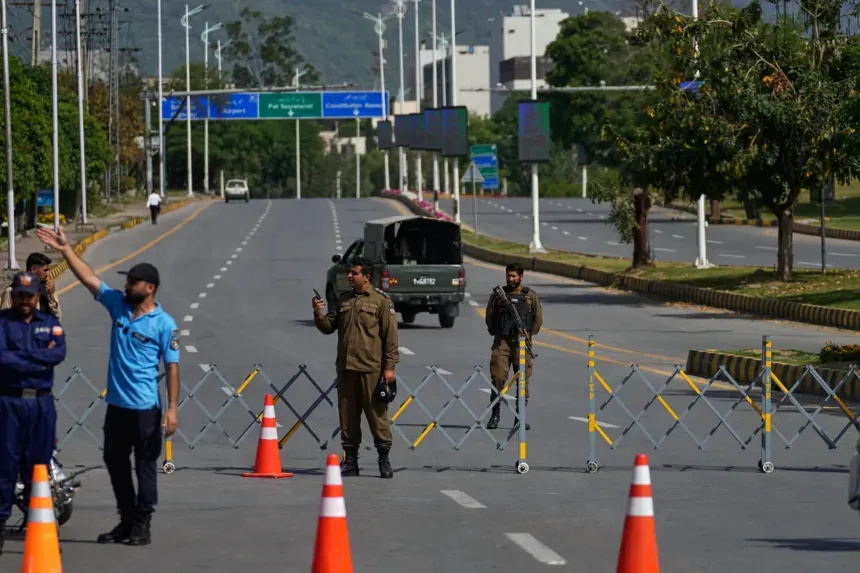
Pakistan’s involvement also underscores the interconnected nature of regional security. Instability between Washington and Tehran carries implications for neighboring states, many of which face economic and security spillovers from prolonged tensions.
Islamabad’s appeal reflects concerns that escalation could disrupt trade routes, energy flows, and internal security conditions. In this context, the ceasefire extension serves broader regional interests, even as it highlights the absence of a comprehensive conflict resolution mechanism.
The episode illustrates how localized decisions are increasingly shaped by regional risk calculations, with neighboring states acting to prevent destabilization that could extend beyond national borders.
Diplomatic Pathways Remain Uncertain
While the ceasefire extension creates a temporary opening, it does not clarify the path forward. There is little indication of imminent direct negotiations between Washington and Tehran, and the reliance on third-party mediation may complicate efforts to establish a sustained dialogue.
The lack of a clear diplomatic roadmap raises the possibility that future de-escalation efforts will continue to depend on ad hoc interventions rather than structured engagement. This approach, while effective in the short term, may limit the prospects for a durable resolution.
Looking ahead, the challenge for policymakers lies in transforming temporary pauses into longer-term stability mechanisms. Without such a shift, the current extension risks becoming another episode in a cycle of escalation and containment, rather than a step toward strategic normalization.